
The wisdom of the raw product
In many coastal families I knew, we never talked about 'grain-free' or 'gluten-free'. These concepts simply did not exist. Freshly caught fish were cooked, garden vegetables were marinated, oilseeds were used as treasures and seafood was celebrated. Processed grains, white flours and refined sugars were not essential to the daily table; they were rare guests, often tied to specific parties. I grew up observing these slow rhythms: cooking over a wood fire which concentrates the flavors, the morning fishing which dictates the menu, the simple canning in salt or oil. It was a product economy that, by a happy geographical and cultural coincidence, produced a diet naturally conducive to ketosis.
The smell of burning wood. The crackling of fish skin on the grill.
These ancestral practices show that cooking compatible with the keto lifestyle can be deeply rooted in a culture, without being perceived as a modern constraint. It is not a question of importing a rigid nutritional rule from elsewhere, but of rediscovering forgotten local gestures. Use tubers in small quantities, favor green leaves, promote offal, whole fish and fermented preparations. The result is the same as that sought by today's bio-hackers: a dense plate, rich in nutrients and low in sugars that inflame the body.
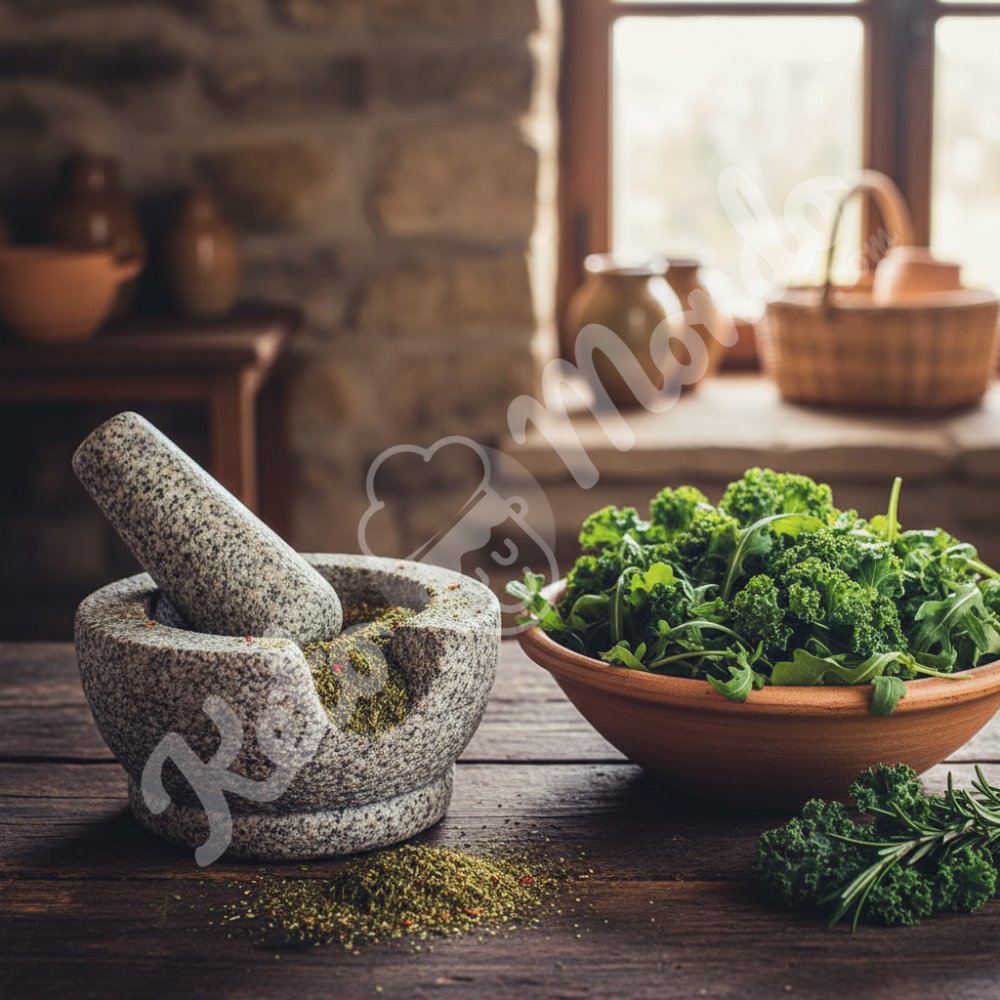
I remember my grandmother pounding nuts to thicken a sauce. No flour, just fat and flavor.
For me, the lesson is clear: looking at the culinary history of a place allows us to build a respectful food modernity, where keto is not a brutal rejection of the past, but a reinscription of an ancient practice adapted to our current sedentary needs. In practice, this translates into concrete and tactile actions: preserving vegetables in brine, preparing fragrant oil preserves, storing fish in salt. These techniques allow you to have tasty bases on hand without ever having to resort to flours or sugars as texture or preservative agents. They nourish deeply and give the dish its own identity, a territorial signature.
Family transmission plays a major role here. The recipes are not written, they are mimed. The proportions can be felt in the palm of the hand, the storage times can be guessed by the smell. Many of these gestures are disarmingly simple to repeat today, even in our cramped urban kitchens: a pot of fermented vegetables on the work surface, a jar of sardines in oil in the cupboard, a few hanging dried herbs. That's all you need to create varied, nutritious and metabolically perfect meals.
The salt that stings small cuts on the hands. This is the price of real conservation.
Adopting this posture also allows you to unleash unsuspected creativity. Replace the usual flour with seed or oilseed powders, use roasted vegetable pulp to give body to a broth, play on the contrasts of acidity and bitterness to satisfy the palate. It is a cuisine which requires a certain technique, of course, but which in return offers immense freedom of taste, far from ephemeral fashions and as close as possible to the real resources of the land and the sea.
Ultimately, remembering yesterday's actions helps us design today's diet that respects taste, season and metabolic health. The grain-free cooking I'm talking about is not a break, it's a rediscovered continuity. It is an art of making that supports the body, soothes the mind and celebrates the place where we have chosen to live. It is, quite simply, the return of common sense to the plate.
I put the jar of vegetables on the table. There is no label, just the bright color of preserved life. It's my luxury.
Eating this way means honoring those who came before us while taking care of those who will follow us. Without sugar, without flour, but with an immense soul.