
The geography of satiety
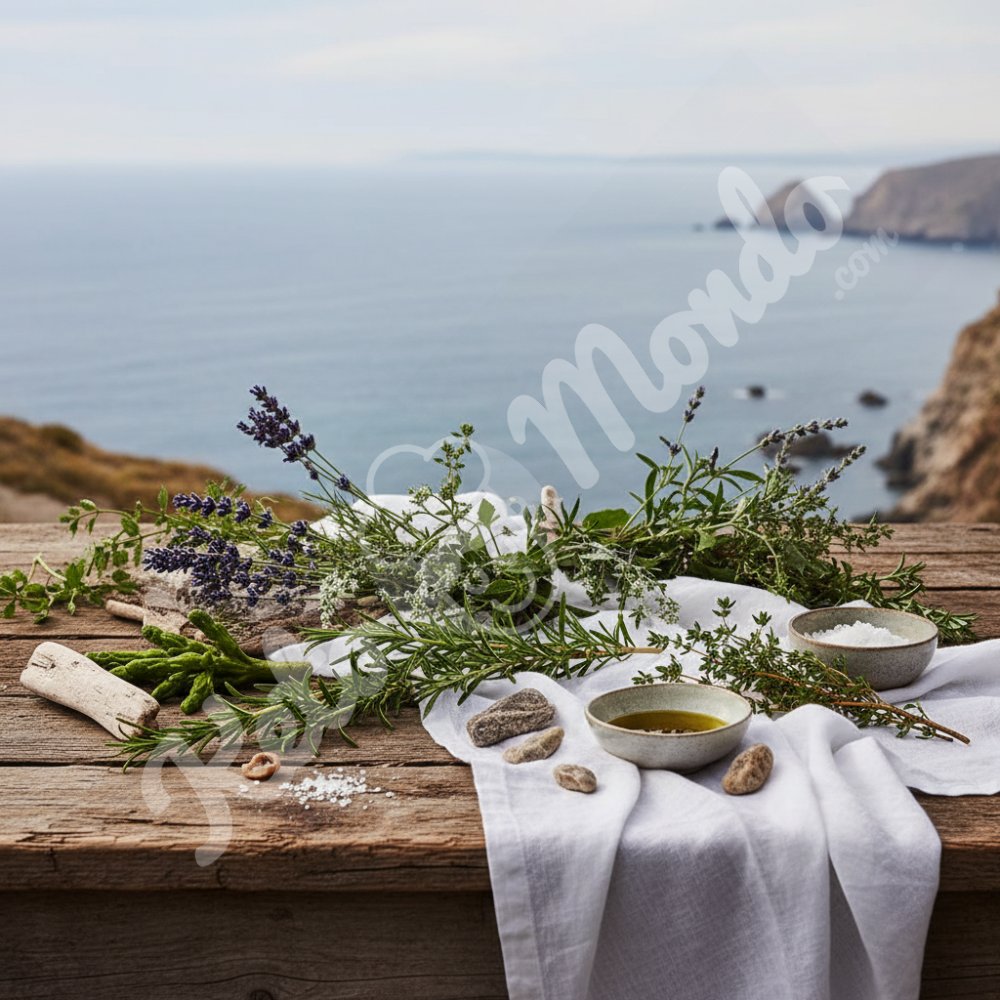
The landscape is not just a backdrop to our lives; it is the first dictionary of our needs. On the coast, the abundance of fatty fish, lively citrus fruits and salty herbs naturally favors a cuisine rich in essential lipids and low in heavy starches. Conversely, in harsher lands, other balances are built around animal fats and roots. For me, eating consistent with place means embracing flavors and textures that sustain energy without ever raising high carb needs. It’s a form of geographical humility: letting the land tell us what’s right for us.
The cry of a seagull in the distance. The smell of wet earth after the storm.
I practice this active listening on a daily basis. I compose my menus following the breath of the season, I integrate local preserves prepared at times of abundance and I avoid the sad standardization of imported ingredients which have lost their soul and their nutritional density along the way. This creates real metabolic stability – fewer blood sugar spikes, more deep satiety – and a cultural anchor that calms the mind. When we feed on the place, we also feed on its history, its winds and its silences. We are no longer a consumer, we become a resident.
I remember a winter when only citrus fruits and dried fish were available. My body has never been so alert.
Practical applications and ethics of taste
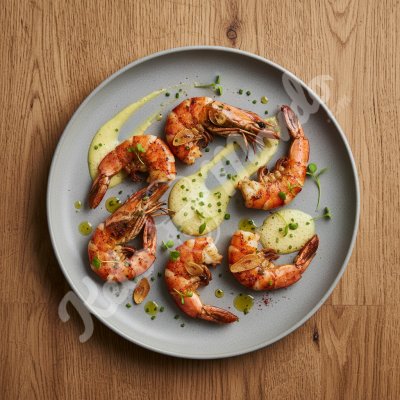
Concretely, my week is planned around the stalls of the local market: fish at the start of the week when the fishing is fresh, root vegetables roasted for a long time at the end of winter for their sugar-free comfort, citrus fruits at the heart of the cold season for their acidity which cleanses the liver. I use fats — olive oil, clarified butter, duck fat — as the main source of my energy. By reducing processed grains, I make room for real flavors. Meals once again become rituals that support metabolism as well as morale. We don't eat to forget, we eat to remember who we are.
The link between territory and food is for me a fundamental ethical principle: respecting the season means respecting your own body. Supporting local producers means maintaining know-how that guarantees the quality of what we ingest. It’s a gentle, sustainable and deeply joyful way to live the keto lifestyle. It is neither an extreme fashion nor an isolated practice, but a reinscription in the cycle of life.
To make this idea work, I observe concrete examples around me: the use of algae to enrich broths with rare minerals, the use of citrus fruits to provide acidity which facilitates the digestion of proteins, or the priority given to small fish which provide omega-3 without depleting marine resources. These choices shape meals that are perfectly adapted to the climate and our real energy needs, far from marketing injunctions.
The texture of dried seaweed rehydrated in a broth. A little metamorphosis before my eyes.
On an organizational level, planning according to the landscape also means relearning patience: canning when the product is there, varying protein sources according to arrivals and accepting cycles of relative lack which make abundance more precious. This reduces the reliance on ultra-processed foods and encourages a more varied, more resilient and infinitely tastier diet. We rediscover the taste of waiting.
Respect for the territory has a powerful social dimension. By choosing local, we participate in a healthier and fairer food economy. We are recreating links where the industry had put distance. Cooking according to location is also a silent political act, an affirmation of our belonging to a specific land, with its strengths and limits.
In conclusion, letting the landscape dictate the plate is a permanent invitation to humility and sensory curiosity. It means accepting that a balanced diet is not found in an application or a universal recipe book, but in constant dialogue with our immediate environment. For me, it is the shortest path to sustainable energy, grounded cuisine and a more respectful relationship with the world. It’s, finally, finding your place at the table.
The sun sets over the orchards. I already know what I will cook tomorrow. It will be simple, it will be local, it will be me.
Peace begins on the plate, when it resembles the landscape around us.