
Purity as a feast
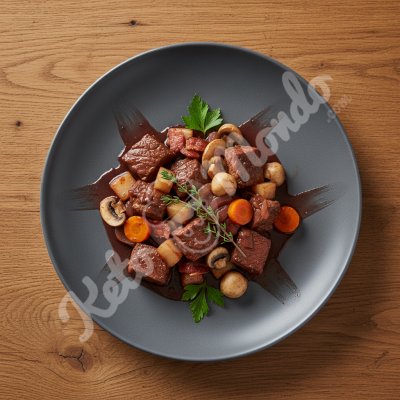
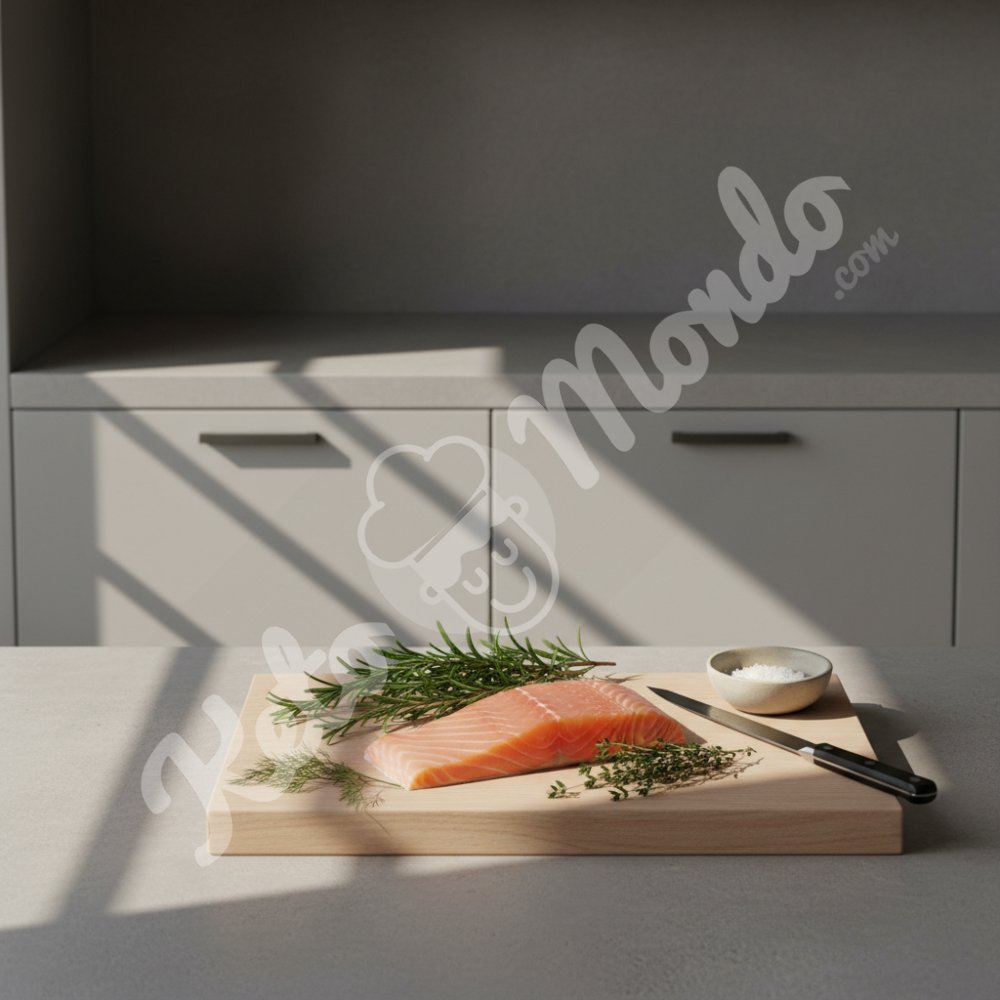
In a world that bombards us with stimuli, artificial flavors and endless ingredient lists, culinary minimalism seems like a form of silent rebellion. For me, preparing a meal is not an exercise in decoration or technical complexity. It is an act of subtraction. I often start with a single exceptional product: a fillet of cod caught the same morning, or a piece of reindeer whose flesh is dark and dense. Around this central axis, I only add what is strictly necessary. A few roasted parsley roots, a spoonful of clarified butter, a pinch of sea salt harvested from our coasts. That's all. And yet, this meal nourishes more deeply than any all-you-can-eat buffet. For what ? Because it is clear. Each bite is pure information transmitted to the body, without the parasitic noise of additives or confusing mixtures.
When there are few ingredients, everyone is forced to reveal their true nature. Fish can't hide behind a heavy sauce; it must be perfectly fresh and cooked with precision. The vegetable is not a simple accompaniment, it is an equal partner which brings its own texture and minerality. This approach requires a certain requirement, because mediocrity cannot be masked by quantity. But the reward is immense: we rediscover the original taste of things. We learn to distinguish the subtle sweetness of a winter turnip from the earthy flavor of a parsnip. We realize that salt is not only an enhancer, but a crystal that structures perception. It is a sensory education that brings us back to basics, far from the artifices of the food industry.
Fewer variables, more stability
From a metabolic standpoint, simplicity is a blessing. Think of your digestive system as an information processing factory. Each ingredient, each spice, each preservative is data that the body must analyze, break down and metabolize. When you ingest an industrial dish containing thirty different ingredients, you create enzymatic chaos. The body must expend considerable energy simply to sort what is useful from what is toxic or useless. On the other hand, a minimalist meal — high in healthy fats and protein, low in carbohydrates — sends a clear message. The pancreas does not need to produce waves of insulin to handle an influx of hidden sugars. The liver can focus on its regulatory function without being overwhelmed by complex molecules.
This reduction of variables results in remarkable energy stability. I've noticed that the simpler my meals, the more consistent my energy level remains throughout the day. There are no post-lunch crashes, no sudden mid-afternoon cravings. It's like my metabolism can finally breathe, freed from the grueling task of managing a blood sugar roller coaster. This stability is not only physical; it is the foundation on which everything else rests. When the body is at peace with its energy source, the mind can finally rise above immediate biological concerns. Minimalism is not a deprivation, it is an optimization of our internal resources.
The silence after the storm
One of the most striking effects of this approach, combined with an ancestral ketogenic diet, is the disappearance of brain fog. We have come to accept as normal some confusion, difficulty concentrating or latent irritability. But these are just symptoms of a brain battling inflammation caused by excess glucose and processed foods. By returning to simple, nutrient-dense meals, we offer the brain its preferred fuel: ketone bodies. The transition to this state of clarity is often described as cleaning a dirty window. Suddenly the world seems sharper, thoughts more fluid, decision-making faster.
This clarity radically transforms our relationship to work and creativity. Instead of fighting fatigue, we have a stable reservoir of attention. We become able to stay focused on a complex task for hours, without feeling the need to seek a distraction or a sweet reward. It is a form of intellectual freedom. For me, this lucidity is the most precious tool in my daily life. It allows me to observe the cycles of nature more acutely, to understand my body's needs before they become emergencies, and to live each moment with total presence. Minimalism on the plate is the guarantor of wealth in the mind.
What we don't put in the pot
We often judge a cook by what he adds. I prefer to be judged by what I leave out. The art of omission is perhaps the most difficult skill to acquire. It takes courage not to add that pinch of sugar 'to balance the acidity', or that starch-based binder to thicken a juice. But it is precisely in this refusal that the strength of Nordic cuisine lies. By omitting the crutches of modern cooking, we force ingredients to express their own structure. If a broth is too light, we reduce it with time and heat, we do not cheat it with flour. If a dish lacks depth, look for a wild herb or a drop of homemade cider vinegar, not a chemical flavor enhancer.
This discipline extends beyond cooking. It becomes a philosophy of life. By learning to say no to the superfluous in our diet, we develop the ability to say no to the superfluous in all areas. We realize that accumulation – of goods, of information, of superficial relationships – only masks an inner emptiness. Minimalism forces us to face reality as it is, without the filters of consumption. It is a demanding practice, sometimes austere, but it leads to a much more lasting satisfaction than the ephemeral pleasure of novelty. In the silence of omission, we end up hearing the essential.
Minimalism as heritage and luxury
Today, minimalism is often presented as a luxury for city dwellers in search of meaning. But for my Scandinavian ancestors, it was simply the reality of existence. In an environment where resources were limited and the climate unforgiving, waste or futility could not be afforded. Every calorie had to count, every gesture had to be effective. This economy of means has forged a national character made of resilience and pragmatism. Returning to this simplicity today is not going backwards; it is to recover a wisdom that has been tested by millennia of survival. It is understanding that health is not the result of complex protocols, but of alignment with simple natural principles.
True modern luxury isn't abundance, it's selection. It's having the privilege of choosing a single, superior quality ingredient over ten mediocre products. It means having the time to prepare this product with respect. It is having the knowledge necessary to understand how this food will interact with our biology. By adopting this minimalism, we honor not only our bodies, but also the earth that nourishes us. We stop being passive consumers and become conscious actors of our own vitality again. The energetic stability we seek is not a destination, it is the natural result of a life lived with intention, one bite at a time.