
Soil resilience
In Scandinavia, the land gives nothing without effort. The ground is often rocky, frost persists late in the spring and returns early in the fall. This harsh climate has a direct consequence on the nature of the plants that manage to flourish there. Unlike temperate regions where the abundance of sunlight favors the production of sugars and starches in fruits and tubers, the North produces plants concentrated in minerals and fibers. The plants here must be resilient; they develop dense structures to resist the cold. For us, that means a natural source of low-glycemic foods. The rutabaga, the turnip, the kohlrabi are not accidents of evolution, but adaptive responses to a demanding environment. They are the reflection of a land that favors substance over sweetness.
I have often observed that the vegetables that grow spontaneously around my house are precisely those that best support my metabolism. There is a form of biological synchronicity between man and his territory. By eating what the soil produces locally, we align ourselves with the cycles of nature. These plants do not require pesticides or massive fertilizers to survive; they draw their strength from the depth of the Scandinavian soil. This minerality is found on the plate. When you bite into a winter radish or make turnip top soup, you're not just consuming calories, you're absorbing the very essence of a landscape that has learned to thrive in restraint.
The alternative to starchy foods
One of the biggest mistakes in modern nutrition has been putting all roots in the same bag. We were taught to be wary of underground vegetables because of their supposed carbohydrate content. But there is a world of difference between a floury potato and a crunchy rutabaga. Nordic roots, like kohlrabi or black radish, have a cellular structure that locks in nutrients without the excess starch. They offer that masticatory satisfaction that we all seek, that feeling of 'body' in the dish, without causing a sudden rise in insulin. Rutabaga, for example, once roasted in the oven with a little goose fat, develops a complex, slightly peppery flavor that far surpasses the bland neutrality of the potato.
These roots are the pillars of my winter cooking. They keep for months in a cool cellar, retaining their crunch and vitality. They can be grated in salads for an added freshness, transformed into creamy purees with salted butter, or included in meat stews where they absorb the cooking juices. They provide remarkable nutritional density: vitamin C, potassium, magnesium. It is a food that 'fits the body' without weighing it down. By replacing classic starchy foods with these ancestral roots, we rediscover a form of satiety which is not linked to the volume of the stomach, but to the satisfaction of the body's real needs.
L'or vert des fjords
If there is one food that embodies the strength of the North, it is kale, or 'grønkål'. Before it was fashionable in New York juice bars, it was the ultimate survival vegetable in Scandinavia. It is capable of remaining in the field under the snow, and it is even after the first frosts that it becomes its best, the cold transforming some of its starches into more subtle flavors. The dark, curly leaves are concentrates of chlorophyll and iron. They are the essential complement to the animal fats in our diet. The slight bitterness of kale or wild spinach acts as a signal to the gallbladder, making lipid digestion easier. It’s a perfect synergy.
In my kitchen, green leaves are never just decoration. They are the basis of many dishes. I quickly sauté them in a pan with garlic and bacon, or I add them to fish broths to give them depth. Their high fiber content is essential for maintaining a healthy microbiome, which is often a point of emphasis in a low-carb diet. These plants remind us that metabolic health is not just about counting macros; it is also a question of micronutrition. By consuming these leaves that have fought against the wind and cold, we integrate part of this resilience into our own cells.
The invisible pharmacy
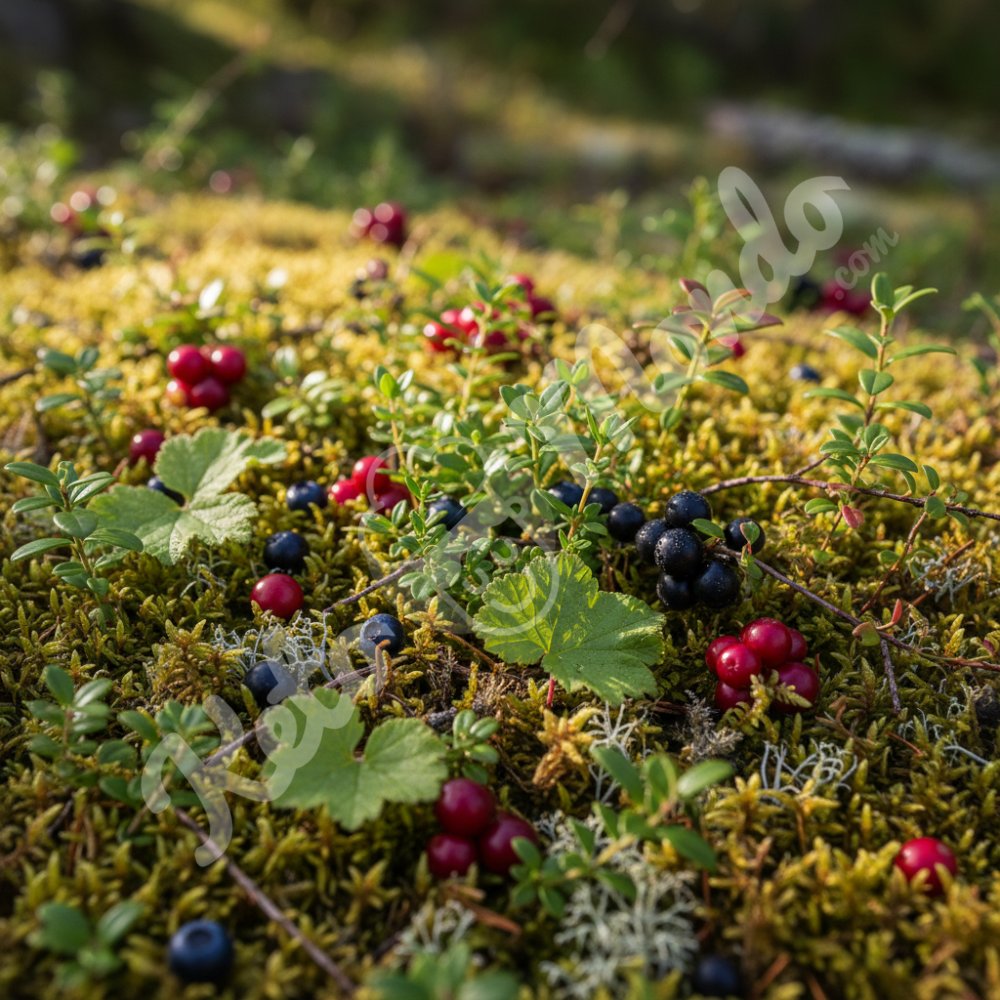
Beyond vegetable gardens, wild nature offers us treasures that we have too often forgotten. Wild sorrel, with its sharp acidity, is a great substitute for lemon to spice up oily fish. Wild garlic, which covers our undergrowth in spring, provides unparalleled aromatic power and antibacterial properties. These herbs are not just condiments; they are food-medicines. They contain phytochemicals that are not found in intensively grown vegetables. Their taste is intense, sometimes wild, and it educates our palate to appreciate the nuances that the industry has erased in favor of sweet uniformity.
For me, picking is an act of reconnection. Walking in the forest or along the coast to collect what grows freely is a lesson in humility. We realize that the earth is generous to those who know how to look. These wild herbs provide enzymatic complexity that helps break down proteins. They are the link between gastronomy and physiology. By adding a handful of fresh herbs to each meal, you increase the sources of antioxidants and support the detoxification functions of the liver. It is a simple, free and extremely effective practice for maintaining optimal vitality throughout the year.
Prolong the life of the plant
Since the growing season is short, we had to learn how to capture the vitality of vegetables for winter. Fermentation is not just a method of preservation; it is a transformation that improves the nutritional quality of the plant. Fermented cabbage contains more bioavailable vitamins than fresh cabbage, and it provides beneficial bacteria that strengthen our intestinal barrier. For someone following a ketogenic diet, fermented vegetables are valuable allies. They provide acidity and crunch, balancing the richness of smoked meats and fish. They are the necessary counterpoint to the caloric density of fat.
Preparing your own jars of fermented vegetables is an act of food sovereignty. It's about deciding what you put in your body, far from the preservatives and added sugars of commercial products. It also means respecting the rhythm of the seasons: we ferment the abundance of summer to nourish the sobriety of winter. This practice teaches us patience and observation. We watch the bubbles rise, we feel the smell evolve, we taste the transformation. It is a living cuisine, which evolves over time, just like our own metabolism. By integrating these plants transformed by time and salt, we close the loop on the ancestral Nordic diet.