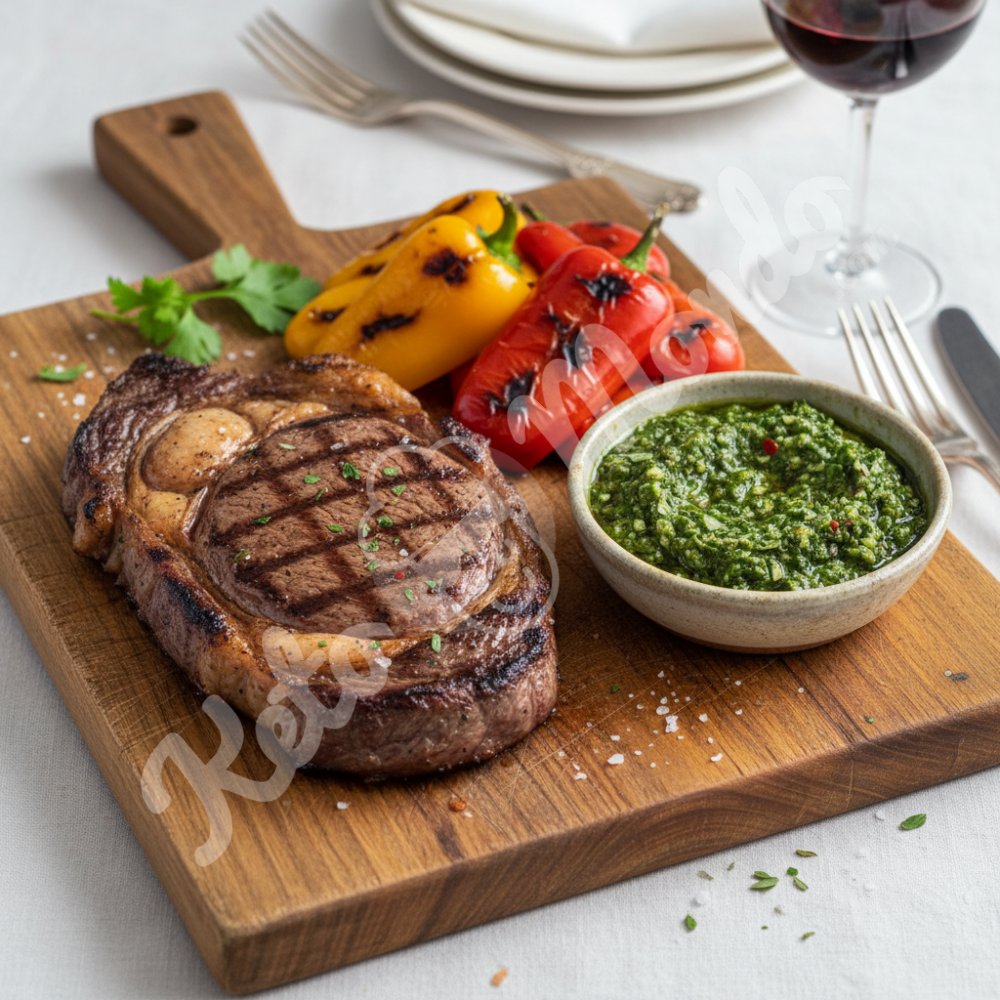

The legacy of the Pampas
When you are born in Argentina, meat is not a food, it is a religion. We grow up with the smell of embers and the sound of the knife on the board. But for a long time, we accompanied this meat with mountains of bread, fries and pasta. At 45, I understood that to truly honor our carnivorous culture, we had to rid it of these useless crutches. Rebalancing our plate does not mean eating less meat, it means eating everything around it better.
This is where low-carb comes in as an obvious choice. In Argentina, we are lucky to have animals that run in the Pampas, grass-fed, with tasty yellow fat. Why waste this gift of nature with refined carbohydrates that only weigh down the body and cloud the mind? By going back to the essentials — protein, good fat and green vegetables — we find the original strength of the gaucho. It's a matter of respect for the product and for our own biology.
The light of fire
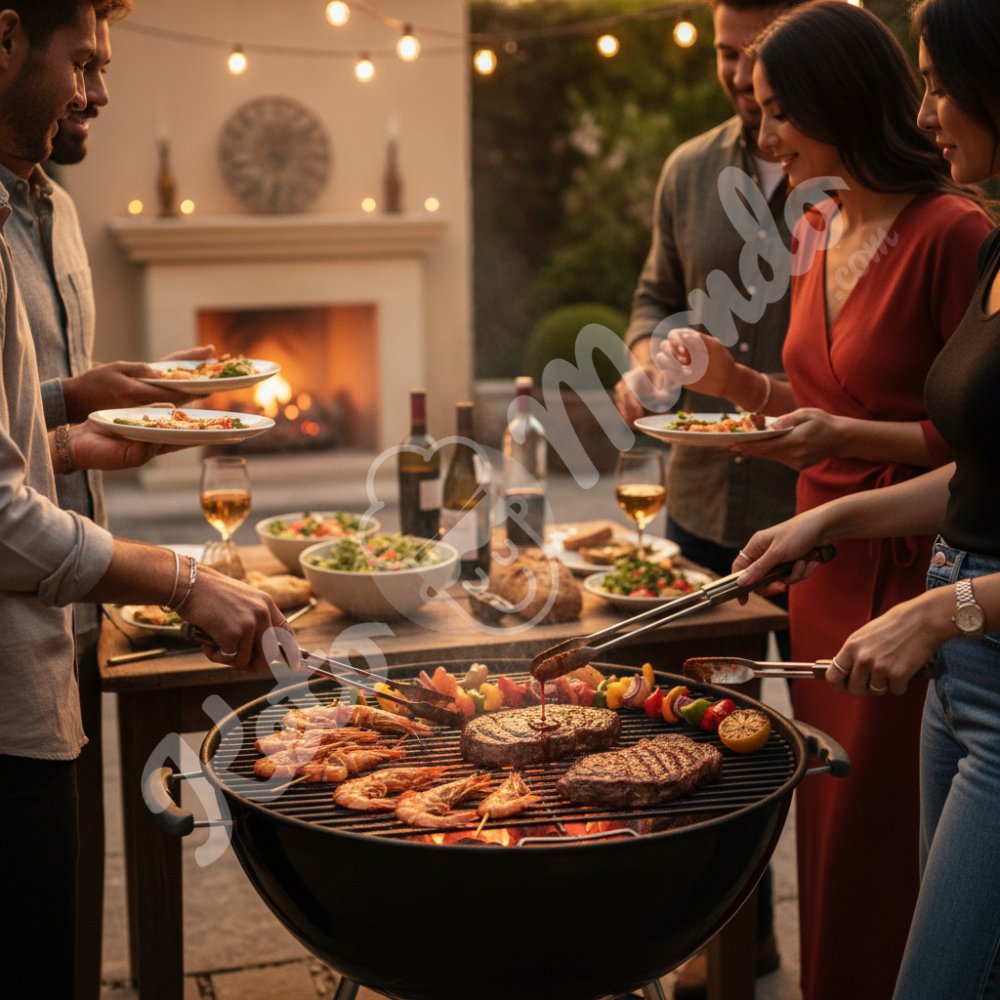
In front of my asado, I see the truth. Fire doesn't lie. It reveals the structure of the meat, it enhances the fat. When we remove sugar and flour, we rediscover the true taste of life. We no longer need complicated sauces to mask mediocrity. We seek purity. Low-carb is like a good fire: it requires patience, precision and a deep knowledge of the elements. It is a discipline that brings incredible mental clarity. We no longer chase energy, we embody it.
I see the difference on my hands, on my breath. Before, after a traditional asado with lots of bread and sweet wine, I was heavy, I needed a three-hour nap. Today, I can stand in front of the embers all day, my mind sharp, my body alert. That's real power. No longer be a slave to your blood sugar. Being able to hold on, to last, to stay present. Fire teaches us constancy, and low-carb gives us the means for this constancy.
The art of satiety
We have been taught to fear fat, when it is fat that saves us. The fat of our animals is a treasure trove of nutrients. It is he who brings satiety, this feeling of inner peace which tells us that we have everything we need. Without carbohydrates, the satiety signal becomes pure again. We eat, we savor, and we stop naturally. We are no longer in compulsion, we are in tasting. It's a form of freedom that many have forgotten in the tumult of modern food.
Rebalancing our culture means returning to our deepest roots. Before the industrialization of food, we ate what the earth gave us. Meat, eggs, seasonal vegetables. Sugar was a rare luxury. By choosing low-carb, we are not going on a diet, we are returning to reason. We honor our ancestors who knew that strength comes from density, not volume. The asado is my temple, and the truth is in the embers.
The transmission of the gesture
I want to pass this on to the new generation. Don't be fooled by colorful packaging and promises of immediate pleasure. True satisfaction comes over time. Learn to love the taste of iron in meat, the bitterness of wild herbs, the sweetness of melted fat. This is the palette of life. Low-carb is not a restriction, it is an expansion of our perceptions. It is becoming more sensitive, more conscious, more alive.
Here in Buenos Aires, the wind sometimes blows hard, but the fire remains. It's the same for our health. Fashions pass, dogmas change, but biology remains the same. We are made to burn fat and protein. By respecting this simple rule, we find a balance that nothing can shake. The asado continues, the fire is ready, and my mind is clear. That's all that matters.