
Health without concept
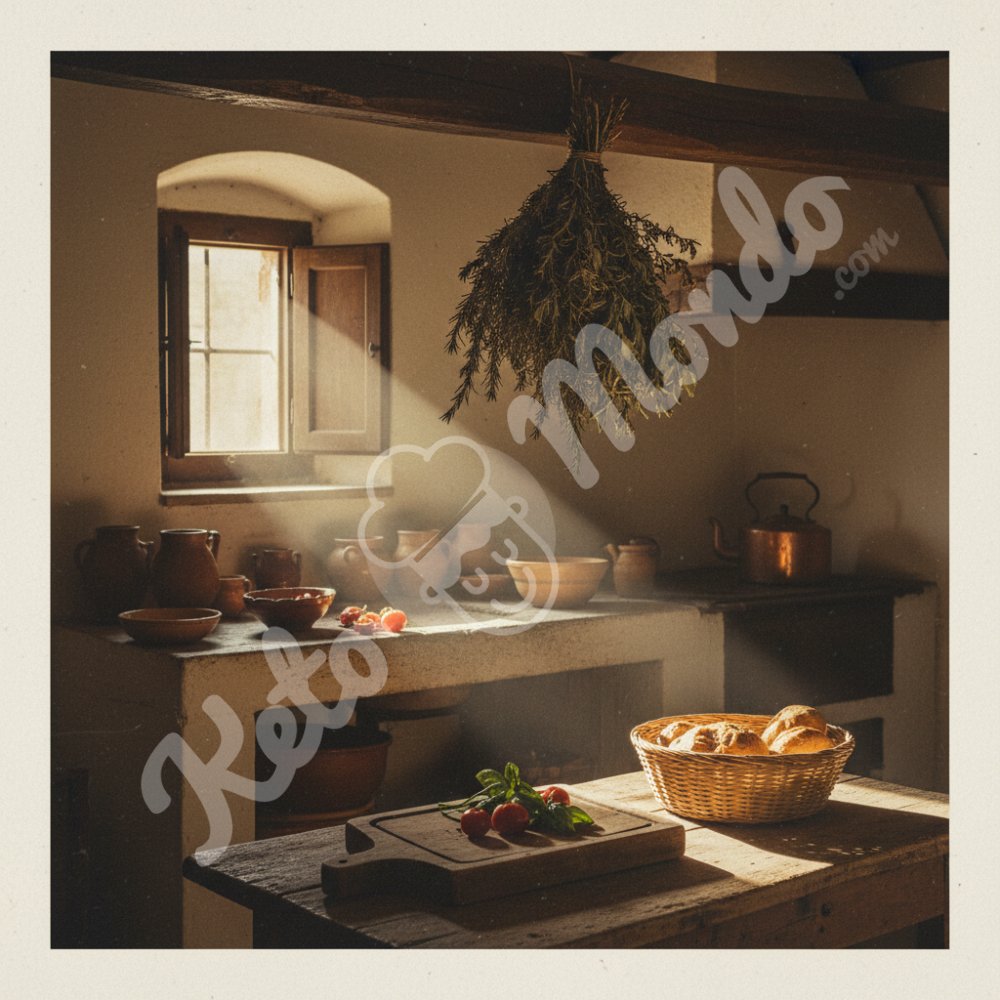
The word 'low-carb' does not exist in the vocabulary of our small Italian villages. However, the practice it designates has always existed there, long before modern science came to put a label on it. In the hills of Tuscany or the hilltop villages of Sicily, we have never talked about 'macros', 'ketosis' or 'glycemic index'. We simply ate what was available, what the land and the season offered. It was a common-sense diet, dictated by the reality of the territory and the cycles of nature. And this diet was, in essence, low in refined carbohydrates.
This conceptless wisdom is incredibly powerful. It is not based on clinical studies, but on millennia of successful living. Our elders didn't need to know 'why' it worked; they saw that it worked. They had robust health, clarity of mind and longevity that fascinate us today. By returning to this tradition, we are not taking a leap into the unknown, we are coming home. We rediscover a truth that has always been there, before our eyes.
The abundance of truth
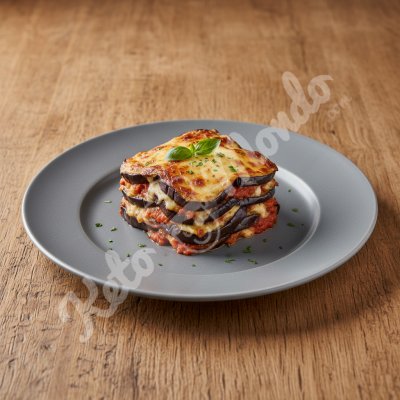
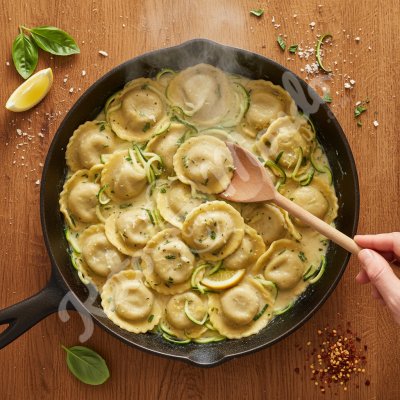
What was available in these villages was an abundance of the real thing: vegetables from the garden, eggs from free-roaming chickens, cheese from the neighboring sheep, olive oil pressed at the village mill, and fresh fish for those who lived near the sea. Pasta and bread were present, of course, but they were often occasional, reserved for feast days or used as simple supplements. Sugar was an absolute rarity. The basis of food was plant and animal, raw and wholesome.
This diet provided exceptional nutritional density without ever overloading the system. We ate to have strength, to work, to live. There was no room for the empty calories or processed products that clutter our modern supermarkets. The Italian tradition is a tradition of quality and proximity. By respecting these principles, we naturally find ourselves in a low-carb framework, without even having to think about it. This is the evidence of eating well.
The legacy of the nonnas
When I look at the nonnas of my village, I see health incarnate. They have luminous skin, lively eyes and an energy that would make many thirty-year-old city dwellers pale. They have never been on a diet in their life. They simply ate like their mothers and grandmothers before them. Their secret is not in a magic pill or powder, but in the continuity of a dietary practice respectful of human biology. They are the guardians of precious knowledge that we almost lost.
Rediscovering this tradition today is not a fashion, it is a recognition. It is admitting that our ancestors were right and that we have lost our way in industrial complexity. By adopting a low-carb diet inspired by our villages, we are only reclaiming our place in a lineage of health. It is an act of dignity and respect for those who came before us. We're not reinventing the wheel, we're just putting it back on the right path.
Transmit the truth
At 42, my mission is to pass this truth on to my children. I want them to know that eating well is not a complicated constraint, but a simple and natural joy. I tell them: 'It's like your nonna ate.' This sentence is more powerful than any scientific argument. It anchors them in a story, in a territory, in a lived truth. It gives them pride in their roots and the tools to protect their own vitality.
Italian tradition is an inexhaustible source of wisdom for the modern world. It offers us a model of sustainable health, based on pleasure, sharing and respect for the product. By choosing Italian low-carb, we are choosing life in all its splendor. We honor the past to better build the future. The table is the place of this reconciliation, the meeting point between memory and innovation. Italy has always known what was good; we just need to remember it.
Wisdom found
The true low-carb diet is one that draws inspiration from the age-old wisdom of our villages, where health is a daily reality.
I invite you to reconnect with these roots. Look for the raw product, respect the season, prioritize quality and savor simplicity. Don't let yourself be locked into rigid concepts, but let yourself be guided by common sense and pleasure. You will see that health is an inheritance just waiting to be claimed. The table is set, tradition awaits you. ¡Buon appetite and live the tradition!