
Plants as a foundation
In most Western cuisines, you start by choosing meat or fish, then look for a side dish. In my kitchen, it's exactly the opposite. Plant-based is never an afterthought, a small portion of vegetables tossed to the side of the plate to ease your conscience. It is the central pillar, the foundation on which everything else is based. When I go to the market, it's the colors of the peppers, the firmness of the zucchini and the smell of fresh parsley that dictate my menu.
This inversion of the food pyramid is not just an aesthetic choice, it is a profound metabolic strategy. By making plants the heart of our diet, we provide our body with an unrivaled density of micronutrients. Vegetables are not 'empty calories'; they are concentrates of biological information that tell our cells how to function optimally. It is a stable base which allows the metabolism to flourish without the clashes caused by sugars.
Read the plate
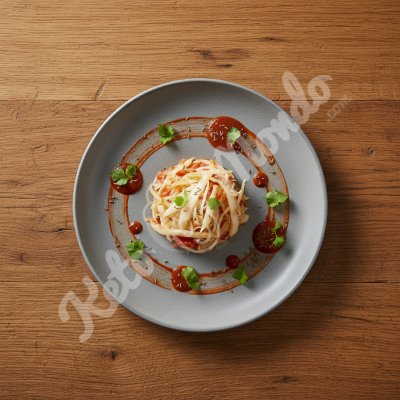
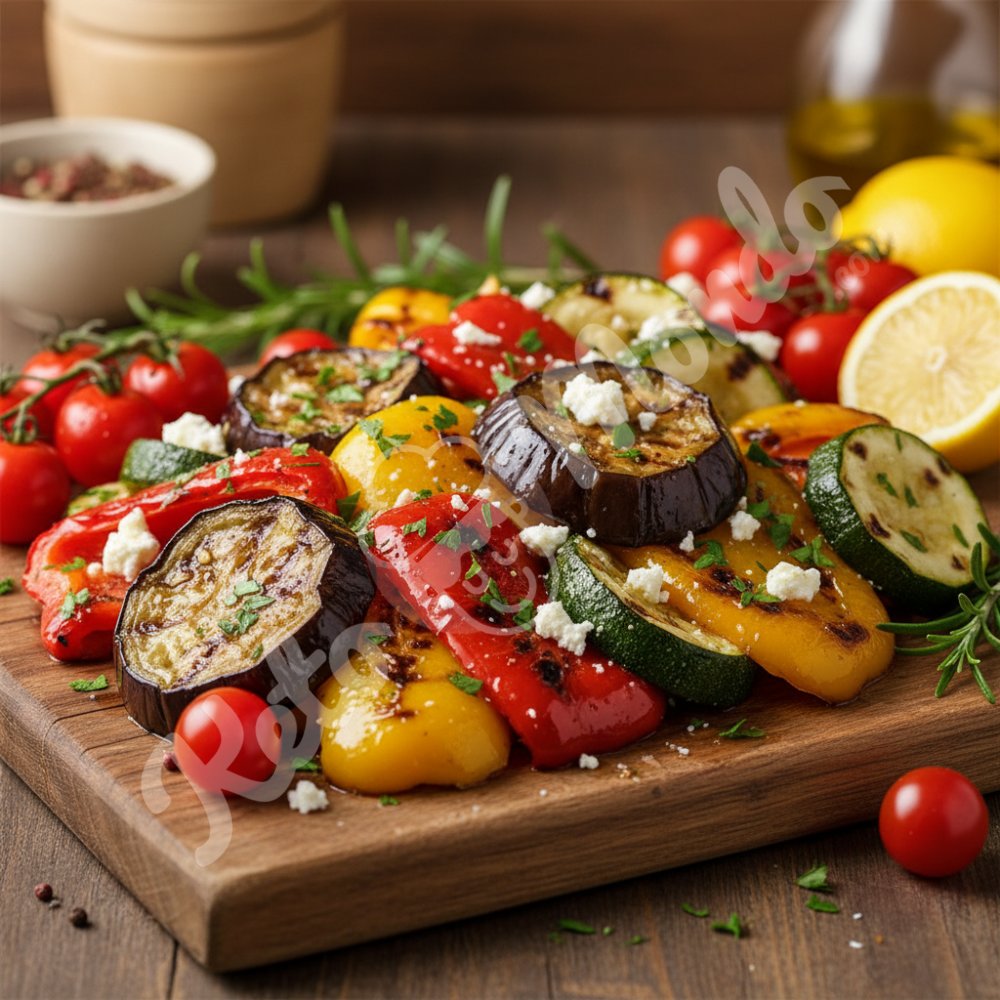
Each color in the plant kingdom is a sign of a specific phytonutrient. The red of tomatoes (lycopene), the orange of carrots (beta-carotene), the deep green of spinach (chlorophyll and iron), the white of onions (quercetin)... When I put together a plate, I try to create a rainbow. It's not for the photo, it's for nutritional completeness. A multi-colored plate is a plate that speaks all the languages of health.
This chromatic diversity saturates sensory receptors and sends a message of satiety to the brain long before the stomach is physically full. It's a form of food intelligence: the more visually and aromatically complex the meal, the less volume we need to feel satisfied. Plants teach us to eat with our eyes and noses, transforming the act of eating into a mindful experience.
Hormonal peace
The real magic of the plant as a pillar is its ability to nourish us without ever disrupting our insulin. Unlike grains or sugars that cause hormonal storms, non-starchy vegetables offer a slow, steady release of energy. You can consume generous quantities without ever fearing the afternoon crash. This is what I call hormonal peace: a state where the body is no longer in a constant struggle to regulate its blood sugar.
This energy stability changes everything in our daily lives. We feel calmer, more focused, more enduring. The plant acts as a natural regulator. By replacing starchy foods with dense vegetables, we allow our pancreas to rest and our cells to regain their sensitivity to insulin. It's a real metabolic rejuvenation that takes place bite by bite, while respecting biological rhythms.
Full without the heavy
Vegetables have a unique property: they take up a lot of space for very few calories. This volumetric density is essential for mechanical satiety. Plant fiber stretches the walls of the stomach, sending signals of fullness to the brain, while slowing the digestion of other nutrients. We leave the table with the feeling of being 'full', but without any heaviness. It's the ultimate luxury: being full while remaining light.
This lightness is the key to an active life. It allows us to stay moving and avoid post-prandial drowsiness. Fiber also nourishes our microbiome, this invisible army that manages our immunity and our mood. By taking care of our fibers, we take care of our whole being. Plants are not just food, they are a life partner that supports us in every effort.
Plants, the compass of health
Once the plant is established as a pillar, everything else is naturally organized around it. The protein provides structure, the fat amplifies the flavors and carries the vitamins. But it is the plant which gives the direction. It is he who ensures the coherence of the whole and which guarantees lasting health.
I encourage you to do this test: at your next meal, start by filling two-thirds of your plate with vegetables of all colors. Then add your protein source and a healthy dose of healthy fat. Notice how you feel, not only right afterward, but also three hours later. You will discover that plants are the most reliable compass for navigating towards radiant vitality. Nature has already planned everything, we just need to give it the place it deserves.