
A respected presence
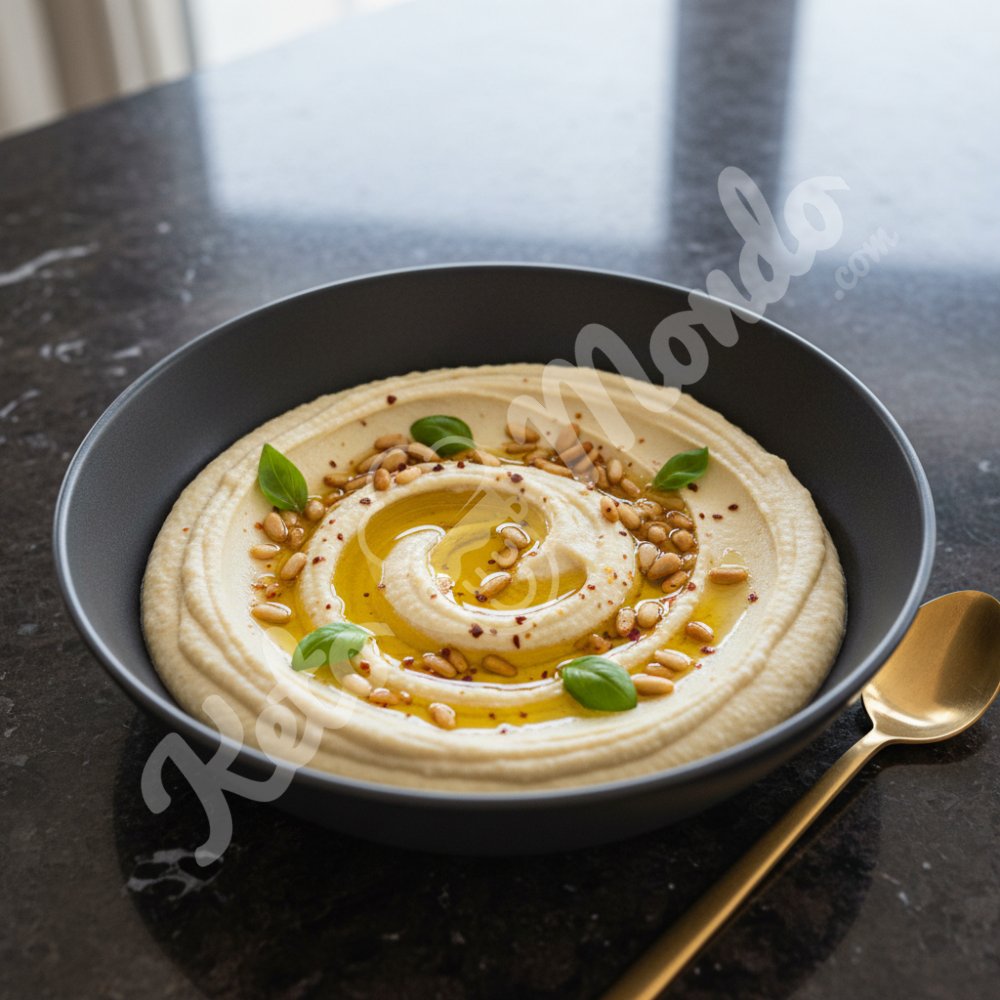
In my family's cooking, legumes — chickpeas, lentils, beans — have always had a place of honor. They are the symbol of a cuisine of resilience, capable of feeding generously with few means. Creamy hummus, steaming Friday night lentil soup... these dishes are full of memories and emotions. They are part of our cultural identity. But being true to your roots doesn't mean staying stuck in habits that no longer serve our current metabolic health.
Today, we know that legumes, although rich in fiber and plant proteins, also provide a significant glycemic load. For someone seeking total energy stability, they can become a hindrance if consumed in excess. Reducing legumes is not an act of betrayal of my culture, it is an act of intelligence. It is knowing how to adapt heritage to the needs of the present, without ever losing its deep meaning.
From grain to vegetable
If we look closely at the history of Mediterranean cuisine, we see that legumes have never been the only center of gravity. They were a complement, a solid foundation, but the real shine always came from the fresh vegetables, wild herbs and pressed oils. By reducing the portion of grains, I only shift the center of gravity of my plate towards what was already there, lurking in the shadow of starchy foods.
I replace the mass of chickpeas with the abundance of grilled zucchini, roasted peppers and crunchy salads. The volume remains the same, the visual satisfaction is the same, but the impact on my insulin is radically different. It's a fluid, almost invisible transition that favors lightness without sacrificing generosity. The plate remains full, but it becomes vibrant with life rather than dense with starch.
Rediscover the taste through aromatic intensity
People often ask me: 'But how can you find the satisfaction of a good hummus without the chickpeas?'. The answer lies in aromatic intensity. What we love about hummus is not so much the chickpea itself, but the creaminess of the tahini, the liveliness of the lemon, the tang of the garlic and the heat of the cumin. By using these same ingredients on a base of roasted cauliflower or melted eggplant, we find 90% of the sensory experience, without the glycemic disadvantages.
We learn to use spices and herbs no longer as seasonings, but as flavor builders. Zaatar, sumac, fresh coriander... these elements bring a complexity that saturates the palate and makes the need for starchy foods obsolete. It is a rediscovery of the power of pure taste. By removing the 'filling' of legumes, we finally let the true soul of our cuisine shine.
Respect to the extent
Reducing does not mean eliminating. I continue to cook lentils or chickpeas, but I do it with a new awareness. They become accents, touches of texture in a salad, rather than the base of the meal. I treat them with the respect that one owes to a precious and rare ingredient. This measure restores value to the food. We no longer eat it out of habit, but by deliberate choice.
This approach allows you to maintain the link with tradition while protecting your health. It is a middle way, balanced and sustainable. It avoids the frustration of restrictive diets while offering the benefits of a low-carb diet. It is a natural evolution of our culinary culture, which has always been able to integrate new knowledge to better nourish people.
Tradition is a movement
Tradition is not a fixed museum, it is a perpetual movement. Our ancestors adapted their cuisine to what they found, to what they understood about the world. Today, our understanding of metabolism invites us to lighten our plates. By reducing legumes, we honor the spirit of our cuisine — which is to nourish the body and the soul — while respecting the biological realities of our time.
I invite you to experience this transition. Don't see this as a loss, but as an opportunity to discover new textures and new intensities. Let the vegetables and spices take over. You will see that the meaning of your cooking does not lie in the grain, but in the love and intention you put into preparing the purest thing the earth has to offer. Enjoy your meal, with clarity and respect.