
Patience as a metabolic catalyst
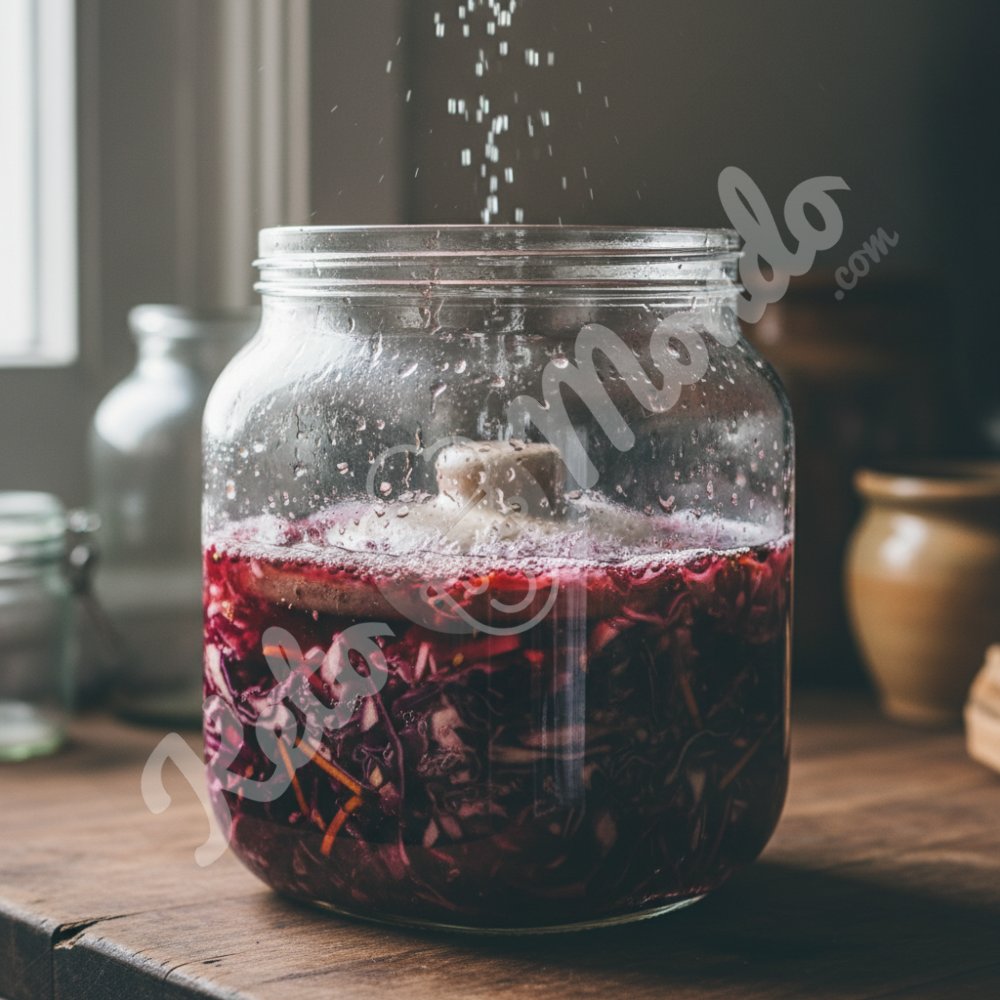
In our world obsessed with immediacy, time has become an enemy to be defeated. We want everything, right away: quick results, instant meals, miracle solutions. But in Korean cuisine, time is our most precious ally. It is the invisible ingredient that transforms raw matter into sacred food. When I look at a jar of kimchi that's been fermenting for months, I don't just see preserved vegetables; I see time at work. This slow, silent process is what gives our food its depth and therapeutic power. Fermentation is a temporal alchemy that reduces sugars, multiplies vitamins and creates flavors that no modern technology can imitate. For us who seek metabolic stability, this patience is a life lesson.
Time works for us. By letting food ripen, we allow nature to do the work of digestion for us. Complex proteins are broken down into simple amino acids, fibers are softened, nutrients are made bioavailable. Eating a food that has taken its time means offering your body already structured energy, easy to assimilate. It is the opposite of 'fast' industrial food which attacks the system and causes violent glycemic peaks. Time brings metabolic smoothness, a release of energy that does not crash. It is the quiet force of maturation.
When silence becomes flavor
There is a crucial step in Korean cooking that we often forget: rest. A stew that has been simmering for hours is not ready by the time you turn off the heat. He needs silence. During this resting time, the flavor molecules combine, the oils stabilize, and the aromas take root. It is in this calm that the dish finds its soul. Metabolically, it's the same thing. Our body needs rest time between meals to activate its cleansing and regeneration processes. Intermittent fasting, so popular in the keto world, is nothing more than the application of this principle of rest to our own biology.
Learning to wait means learning to respect cycles. We do not force fermentation, we do not rush maturation. By accepting this slow pace, we calm our nervous system. Stress, this great disruptor of insulin, fades away in the face of the certainty that things take the time they should take. This serenity is reflected in the way we eat. We no longer devour out of urgency, we taste out of gratitude. The time spent preparing and waiting for the meal becomes an integral part of satiety. We are nourished by the wait as much as by the bite. It’s a fullness that begins well before the table.
The refinement of the gesture
We often believe that novelty is the key to pleasure. In Korea, we believe in repetition. Do the same thing, prepare the same dish, day after day, year after year. This repetition is not monotony, it is a deepening. Every time I prepare my vegetables, my hands learn something new about texture, about the strength of the fiber, about the temperature of the water. This refinement of gesture translates into an ever higher quality of food. For those who follow a low-carb diet, this consistency is a safeguard. It creates solid habits that no longer require conscious effort.
Repetition also creates metabolic safety. The body recognizes food, it knows how to process it, it anticipates nutrients. This predictability reduces the inflammation linked to constant novelty and hidden additives in industrial products. By constantly returning to the same basic ingredients – eggs, quality meats, seasonal vegetables, fermentations – we are building a field of unshakeable solidity. Variety comes from the nuances of weather and seasons, not the artificial complexity of labels. It is freedom through repeated simplicity.
Align with life
There is a direct correlation between preparation time and digestion time. A meal prepared in five minutes with ultra-processed ingredients will be digested in a flash, causing early hunger and energy instability. A meal that took time — to marinate, to ferment, to simmer — also takes time for the body to deconstruct. This slow digestion is the key to lasting satiety. Fats and proteins, worked over time, release their calories in an orchestrated manner, supporting our mental clarity for hours.
By respecting the time of the food, we respect our own biological tempo. We are leaving the modern frenzy to enter into the rhythm of life. It is a form of active meditation. Every minute spent in the kitchen is a minute invested in our longevity. We don't 'waste' time cooking, we save time on illness and fatigue. It is a sacred exchange: we give our patience to the earth, and it gives us inexhaustible vitality. Time is no longer a resource that runs out, but a flow that carries us.
Eternity in a jar
Time is the ingredient that gives meaning to our nutrition. Without it, food is just fuel. With him, it becomes a culture, a memory, a medicine. By adopting Korean slowness in your keto journey, you'll discover a dimension of health that numbers can't measure. You will feel the strength of the centuries in your kimchi, the patience of the mountains in your broth, and the clarity of the sky in your spirit.
Don't be afraid of the weather. Don't try to shorten it. Embrace Him as the mastermind behind your transformation. Because in the end, what we are building with this low-carbohydrate diet is not just a slimmer or more efficient body, it is a deeper, more grounded, more conscious life. A life that, like a good wine or an old kimchi, only gets better with the years. It is the promise of time honored.