
Deconstruct prejudices
There is a persistent misunderstanding about Korean cuisine. For many, it evokes explosive flavors, fiery chilies and bubbling stews that seem, at first, to weigh on the stomach. But this intensity is not synonymous with heaviness. On the contrary, real Korean cuisine is a lesson in active lightness. The heaviness of a meal does not come from the strength of its aromas, but from the poverty of its structure. A creamy pasta dish or cheese-laden pizza is heavy because it saturates the body with inflammatory carbohydrates and fats without offering an enzymatic counterpoint. In Korea, every burst of flavor is offset by a digestion technique. The intensity is there to wake up the body, not to knock it out.
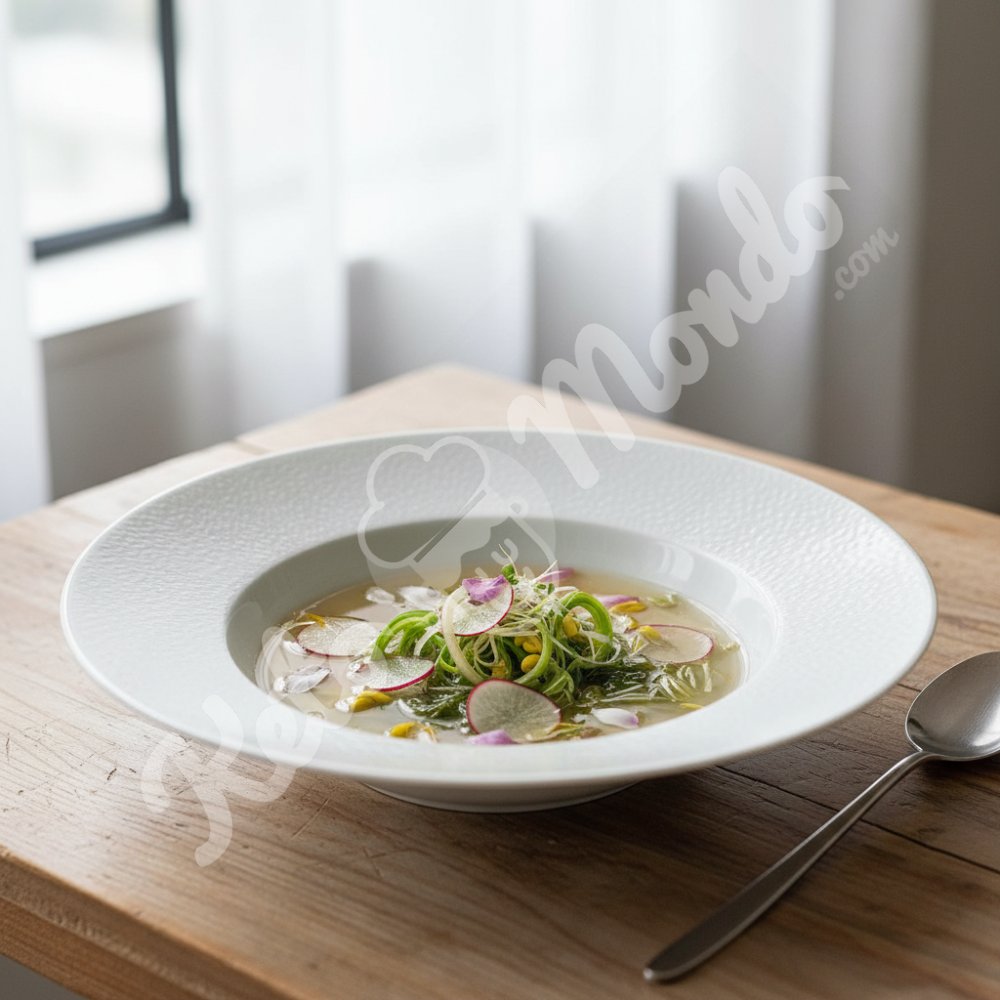
When I prepare a meal, I look for this vibration. A beef broth can be infinitely deep while remaining clear and light. The secret lies in the balance between umami – this flavor of fullness – and the acidity or spiciness which 'cuts' the fat. For those of us following a low-carb path, this distinction is vital. We eat fats, yes, but we eat them intelligently. We accompany them with fermentations which pre-digest them and bitter herbs which stimulate the bile. The result is an immediate feeling of vitality. We leave the table with a clear mind and an agile body, ready for action. It is the lightness of the fed, not the hungry.
Structure as an engine of digestion
Korean lightness is inscribed in the very geometry of the meal. By multiplying the small dishes (banchan), we avoid the 'single bowl' effect where we ingest a large quantity of the same food. This fragmentation allows the digestive system to process nutrients in small successive waves. We alternate between the crunch of a fermented radish, the sweetness of a braised egg and the heat of a clear soup. This alternation keeps the metabolism alert. The body does not fall asleep in the digestion of a monolithic mass; he remains active, curious, efficient.
In addition, the constant presence of blanched or raw vegetables provides the fiber necessary to regulate transit without creating bloating. Unlike the tough fibers in whole grains which can irritate the gut, the fibers in Korean vegetables are often softened by light cooking or fermentation. They act like a gentle broom, cleaning the system while nourishing the microbiota. It's a lightness that comes from within, a sensation of metabolic cleanliness that can only be found in a diet that respects biological rhythms. We don't feel 'bloated', we feel 'structured'.
Preserve vital energy
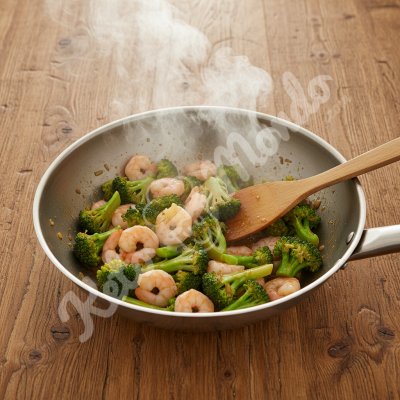
The way we cook our food in Korea is to preserve its 'Qi', its vital energy. An overcooked vegetable is a dead vegetable, which will weigh on digestion without contributing anything. We favor rapid blanching (Sookchae) or stir-frying over low heat. These techniques keep the enzymes intact. For a low-carb diet, this is a major advantage. Since we're asking our body to turn fat into energy, we need to provide it with the enzymatic tools to do so. A living kitchen supports a living metabolism.
Even our meats are treated with this search for finesse. They are often cut thinly, marinated in mixtures of pear, garlic and ginger which soften the muscle fibers even before cooking. This culinary 'pre-digestion' reduces the workload on the stomach. We benefit from the protein density without suffering from the digestive fatigue often associated with the consumption of red meat. It is an approach to nutrition where the pleasure of the palate and the comfort of the body are inseparable. Gluttony is no longer a sin, it is a form of care.
Stimulate without attacking
I am often asked if chili pepper is not too harsh on the stomach. My answer is always the same: it's all about balance. Korean spiciness is never an isolated attack. It's always wrapped in natural sweetness (like that of onion or apple) and fermented depth. Used in this way, chili pepper becomes an ally of lightness. It increases blood circulation in the gastric wall, promoting optimal secretion of digestive juices. It helps the body burn calories more efficiently through thermogenesis.
It is this stimulation that creates the feeling of lightness after a meal. The body feels 'activated'. We don't feel this need to lie down or take a nap. On the contrary, the mind is sharp, the senses are sharp. This is the effect of well-dosed spice: it dissipates mental and physical fog. For those seeking performance and clarity through keto, Korean cuisine offers an arsenal of sensory tools to maintain this state of grace throughout the day. Intensity becomes the fuel for our lightness.
Clarity as a destination
Eating light in an intense culture means choosing the quality of the experience over the quantity of the material. It is understanding that the body does not need volume to be satisfied, but meaning. By adopting the principles of Korean dining—diversity, fermentation, respect for product, and balance of flavors—you'll discover that you can eat spectacular meals while feeling lighter than ever.
This newfound clarity is the greatest gift of this way of life. It allows us to inhabit our body with new ease, to move fluidly and to think with precision. Cooking is no longer a source of fatigue, but a source of regeneration. This is the secret of Korean longevity and vitality: an intensity that nourishes the soul and a lightness that liberates the body. A perfect balance, to be rediscovered with each bite.