
When chili replaces reward
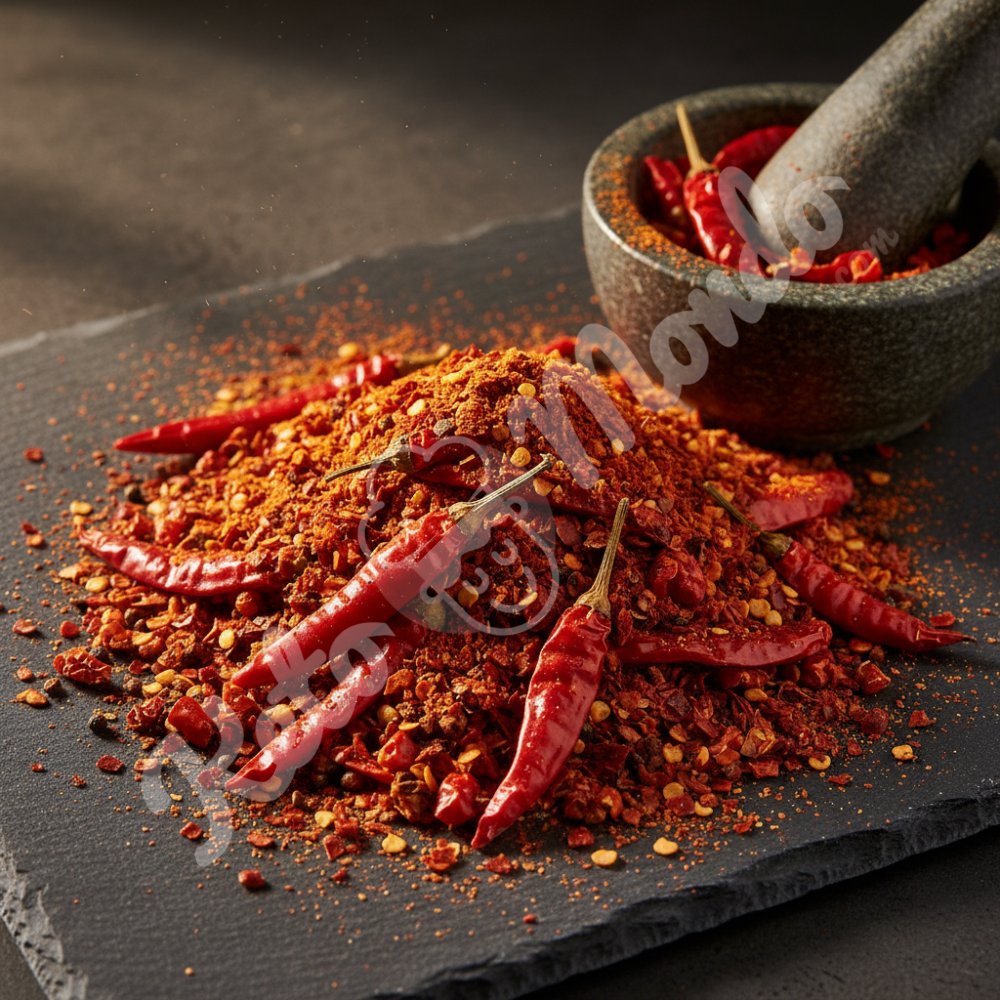
Sugar is a mermaid. It promises immediate satisfaction, a flash of pleasure that fades as quickly as it appeared, leaving us emptier than before. In our quest for a carb-free life, the biggest challenge isn't hunger, it's lack of stimulation. The brain, accustomed to the dopamine discharges of glucose, demands its due. This is where Korean wisdom comes in with a secret weapon: spiciness. Gochugaru, this sun-dried and coarsely ground red pepper, is not just a spice. It is a culinary neurotransmitter. It offers sensory stimulation so intense, so vibrant, that it saturates the reward circuits. When your mouth lights up with the heat of a spicy stew, the craving for sugar fades away. The spice does not fill a lack, it creates a new fullness.
This substitution is metabolically revolutionary. Unlike sugar, which causes an insulin storm, spiciness activates thermogenesis. It wakes up the body, accelerates metabolism and promotes fat burning. It is a healthy 'drug' which, instead of clouding us, brings us acute clarity. In Korea, we use spiciness to structure the taste, to give depth to simple ingredients. A piece of fatty pork or a bowl of blanched vegetables become transcendent experiences thanks to the magic of chili. The pleasure is no longer in the soft sweetness of sugar, but in the biting liveliness of the spice. It is a transition from gustatory childhood to sensory maturity.
Slow down to feed better
There is a hidden virtue in spiciness: it commands respect. You can't devour a spicy dish with the same carefreeness as a bowl of cereal. Spicy requires attention, breathing, time. This forced slowdown is a blessing for our satiety. By eating more slowly, we give hormones — like leptin — time to signal to the brain that we've gotten enough nutrients. The spiciness acts as a natural appetite regulator. It prevents us from overloading our system, inviting us to savor every nuance rather than seeking volume.
Additionally, the heat generated by the chili pepper creates a feeling of internal comfort that mimics the satisfaction of a heavy meal, without the downsides. We feel 'warm' and 'full' from the inside. This heat is particularly valuable in a low-carb diet, because it sometimes compensates for the feeling of lightness that one may feel in the absence of starchy foods. The spice gives substance to the void. It transforms an apparent restriction into a sensory adventure. We don't finish the meal wanting dessert, because the palate has already experienced a complete epic. The cycle of desire is broken by the intensity of the experience.
Fermentation and depth
Korean spiciness is rarely 'dry'. It is almost always linked to fermentation. Gochujang, our fermented chili paste, is the perfect example of this complexity. Although it traditionally contains some rice for fermentation, used sparingly, it provides a depth of umami that satisfies the most discerning taste receptors. It is this depth that is often lacking in Western keto diets, sometimes too focused on pure fat and salt. Fermentation adds a living dimension, an organic complexity which tells the body that it is receiving ancestral nourishment, rich in enzymes and life.
This depth is what makes the diet sustainable. We never tire of the spice because it is never monotonous. Depending on how you work it — with garlic, ginger, sesame oil or vinegar — it changes appearance. It becomes a tool of infinite creativity. For me, spice is the common thread that connects my tradition to my modern health. It’s proof that you can live without sugar without ever sacrificing the joy of eating. On the contrary, we discover a more intense, more electric, more real joy.
Spice as a metabolic purifier
Beyond the taste, the spiciness has a cleaning action. It stimulates circulation, promotes light sweating and helps the body mobilize its resources. In a Korean vision, eating spicy foods helps to 'chase the wind' and release stagnant energies. Metabolically, this translates into better insulin sensitivity and smoother management of energy reserves. Chili pepper is an ally of our metabolic flexibility. It pushes the body to be more efficient, more responsive.
It is also a powerful natural anti-inflammatory, despite the burning sensation it causes. Capsaicin is studied for its protective properties and its ability to modulate pain. By integrating spice into our low-carb daily life, we are not only pleasing our taste buds, we are strengthening our ground. We transform our diet into an active shield against the diseases of civilization. Spicy is the signature of a vibrant life, of a body that does not fall asleep in the ease of glucose.
A new beginning
If you fear the spiciness, I invite you to tame it slowly. Start with light touches, learn to appreciate the heat rising without burning. Learn the difference between aggressive spiciness and aromatic spiciness. Very quickly, you will realize that your need for sugar is decreasing. Your palate will become more refined, your desires will change. You will no longer seek the gentleness that puts you to sleep, but the strength that awakens you.
In conclusion, spice is much more than an alternative to sugar. It’s a door to another dimension of nutrition. A dimension where pleasure is linked to vitality, where satisfaction is deep and lasting, and where every meal is a celebration of life. Let the fire of chili light your path to health. It is a journey of no return, because once we have tasted the clarity of spice, the blandness of sugar can never satisfy us again.