
The sanctuary of regained calm
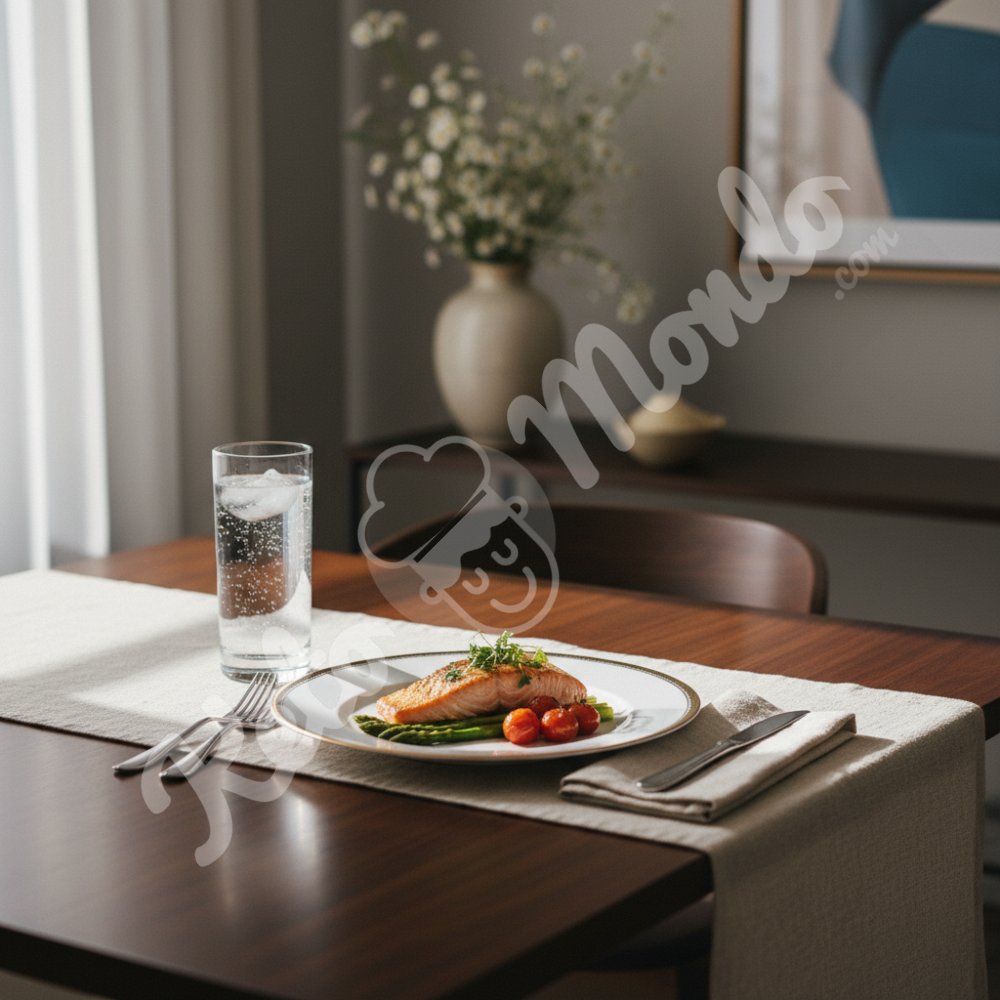
In our busy world, eating has often become a secondary activity, something we do while answering emails, watching the news, or scrolling through social media. However, the environment in which we eat is just as important as what is on our plate. I consistently notice that when I eat calmly — sitting at a clean table, without television, telephone and noise distractions — my digestion is incomparably better. This is not a mystical coincidence, it is pure biology.
The digestive system is closely linked to the autonomic nervous system. To function optimally, it needs us to be in 'parasympathetic' mode, that of rest and digestion. If we eat in stress, haste or distraction, our body remains in 'sympathetic' (fight or flight) mode, which diverts blood and energy from the digestive organs to the muscles and brain. Creating a sanctuary of calm around the meal sends a clear signal to our body: 'You are safe, you can now devote yourself to transforming this food into energy'.
The forgotten art of chewing
Being present at your meal means first of all being present with your physical sensations. One of the pillars of this presence is chewing, an art that we have largely forgotten in favor of rapid ingestion. Digestion begins in the mouth, not the stomach. By chewing each mouthful slowly and mindfully, we facilitate the chemical work of salivary enzymes and reduce the mechanical load on the rest of the digestive tract. This prevents bloating, heaviness and reflux.
But chewing has another crucial benefit: it gives the brain the time it needs to register satiety signals. It takes about twenty minutes for hunger hormones to signal to the mind that the body has received enough nutrients. By slowing down the pace, we avoid overeating through simple inertia. We rediscover the textures, the subtle flavors of fresh vegetables and the richness of natural fats. Eating then becomes a complete sensory experience, and no longer a simple chore of getting food.
Reduce digestive cognitive load
The simplicity of the plate – this famous tripod of protein, vegetables, fat – also plays a major role in the quality of digestion. When we consume ultra-complex meals, with dozens of ingredients, industrial sauces and incompatible nutrient mixtures, we create a form of digestive confusion. The body must mobilize a huge variety of different enzymes and processes to process everything at once, which can lead to excessive fermentation and postprandial fatigue.
A simple plate, composed of raw and recognizable foods, allows for fluid and calm digestive progress. There is no internal battle between fast sugars and dense fats because the fast sugars have been eliminated. The body can focus on efficiently extracting minerals from vegetables and amino acids from proteins. This nutritional clarity translates into digestive clarity. We feel light, even after a hearty meal, because the system has not been overloaded by unnecessary or disruptive elements.
The after-meal test
I often use breathing as a test of the quality of my meal and the way I eat. If, after finishing my meal, I can take a deep diaphragmatic breath without feeling any discomfort, pressure or tightness in the stomach, this is a sign that everything is fine. This is an indication that I ate the right amount, in the right way. Breathing is the barometer of our inner comfort.
Conversely, if I feel tight, if my breathing becomes short and chesty, it's because I probably ate too quickly, too much or something that doesn't suit me. Learning to listen to this simple signal allows you to adjust your habits in real time. Before I even start eating, I take three deep, conscious breaths to calm my nervous system. It's a little ritual that changes everything. Breathing anchors us in the present and prepares the ground for optimal nutrient assimilation.
The ritual of silence and gratitude
Integrating calm into your daily life does not require becoming a Buddhist monk. It is a practice accessible to everyone. It starts with turning off the screens. Silence — or soft music — allows you to reconnect with yourself. It is also an opportunity to practice a form of gratitude towards food: recognizing the work of the producer, the generosity of the earth and the chance to have access to quality products. This positive mental attitude promotes the secretion of gastric juices and improves absorption.
If you are eating as a family, make the meal a time of calm exchange, without broaching stressful or conflicting subjects. If you eat alone, take the opportunity to observe the colors of your plate, to smell the aromas, to be fully there. Those few minutes of being there are a massive investment in your long-term health. Calm is not a luxury, it is a biological necessity. By relearning to eat calmly, you are relearning to live peacefully.
The meal as an act of restoration
My message is an invitation to slow down. No longer see the meal as a simple logistical interlude in your busy day. See it as an act of restoration, literally: a time when you restore your energy, your health and your inner peace. Digestion is a sacred process that deserves your respect and attention.
By choosing simple foods and consuming them calmly, you are giving your body the most beautiful gift. You allow it to function without friction, to draw the strength it needs to face the world, and to maintain that precious balance we call health. The path to well-being goes through the plate, but also through the heart and mind. Eat calmly, breathe deeply, and let life flow through you fluidly. Bon appetit, in peace and clarity.