
A sensory reconnection ritual
Every Wednesday morning, no matter the Scottish weather — whether it's a light mist or a biting wind — I head to the local market. It's not just a refueling chore, it's my sacred ritual, my weekly anchor. In a world dominated by sanitized supermarkets and delivery algorithms, the market is one of the last places where we can still have a direct, physical and sensory relationship with what we eat. It is here, between the wooden stalls and the lively conversations, that my diet for the days to come naturally takes shape. The market does not just sell products; it offers a structure for life.
What's fascinating is seeing how this simple geographic move influences my metabolic choices. At the market, we are not looking for 'macros' or 'calories', we are looking for color, firmness, fragrance. We let ourselves be guided by instinct and the season. And because the market highlights local land and livestock products, my basket spontaneously fills with vibrant vegetables and quality proteins. Without even thinking about it, I build a diet low in fast carbohydrates, simply because it is the most beautiful and freshest thing nature offers at that precise moment.
The color palette of health
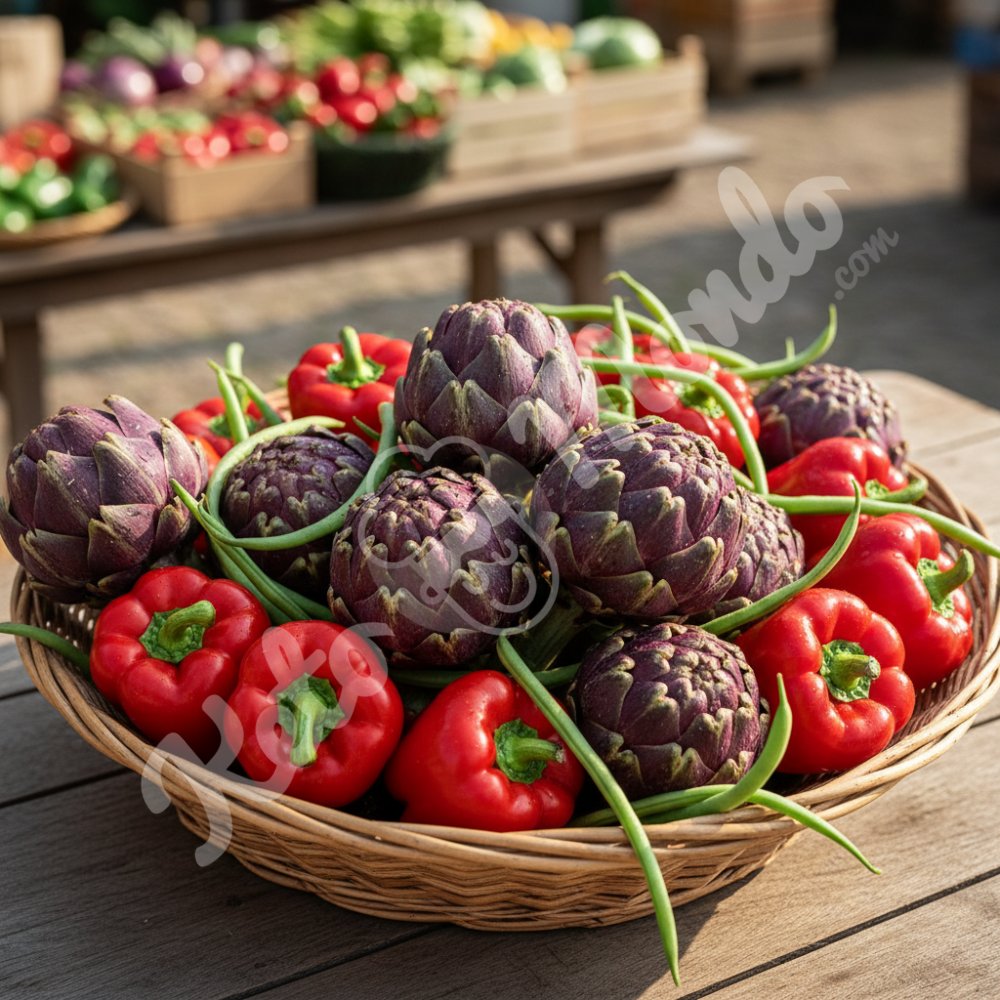
In the UK, and particularly in Scotland, we have a wealth of seasonal vegetables that we too often tend to ignore. At the market, this diversity explodes. In fall and winter, it's kale, broccoli, Brussels sprouts, leeks and earthy roots. In spring and summer, these are tender spinach, asparagus, zucchini and aromatic herbs. None of these foods are high in fast carbohydrates. They are all dense in fiber, minerals and vitamins. They are the voluminous and colorful base of my plate.
When you find yourself faced with a mountain of freshly picked broccoli or bunches of carrots still covered in dirt, it becomes difficult to do anything but buy them. We want to transform them, roast them, sauté them. Vegetables cease to be a punishment or a boring side dish and become the center of culinary creativity. By filling my basket with these plant treasures, I ensure lasting satiety and vitality that no processed product can ever offer me. The market is teaching us again to love plants for what they are: a source of pure life.
The return to the raw and honest product
Next to the vegetables, there are the stands of local butchers and fishmongers. This is where I find my proteins. A grass-fed beef steak, free-range chicken thighs, cod fillet or free-range eggs. These products are raw, honest, without complicated labels or hidden ingredient lists. Because they are fresh and have a short expiration date, they require a certain discipline: I have to cook them quickly. There is no room for procrastination or the temptation of convenience foods.
Buying your meat or fish at the market radically changes our relationship to animal consumption. We talk with the producer, we learn where the animal comes from, how it was raised. This creates a respect and gratitude that translates into the way we cook. We don't waste anything, we use everything. This 'nose-to-tail' approach is inherently low-carb, as it favors natural fats and dense proteins. By returning to the raw product, we suddenly eliminate all the additives, hidden sugars and texturing agents that pollute industrial meats. It is a purification of the plate by the source.
The physical barrier against industry
One of the biggest advantages of the market is what it doesn't sell. You won't find entire aisles of sugary breakfast cereals, no sodas, no ultra-processed frozen meals, no industrial snacks packaged in shiny plastic. The market creates a physical and psychological barrier against these products. If you spend your morning at the market, you are not exposed to the aggressive marketing of the food industry. Your brain is not challenged by promises of immediate, addictive pleasure.
This absence is a liberation. We realize that we don't need these things to be happy or to eat properly. If you want dessert, you buy some seasonal berries or a piece of artisanal cheese. If you are thirsty, drink water or an infusion of fresh herbs. The market simplifies our choices by eliminating the superfluous. It protects us against ourselves and against our impulses for ease. It is a healthy environment that promotes healthy behaviors, without the need for superhuman willpower.
Nutrition without the burden of theory
The beauty of the market as a starting point is that it makes nutrition intuitive. I don't need to spend hours reading scientific studies or calculating my macronutrient ratios. I go to the market, buy what seems lively and appetizing, come home and simply cook it. It’s a pragmatic, almost rustic, approach to health. We trust the earth and its cycles. We know that if we eat raw and seasonal products, the body will know what to do with them.
This simplicity is a powerful remedy for modern diet stress. We stop seeing food as a problem to be solved or as an enemy to be fought. We see it as an ally, as a source of pleasure and vitality. By structuring my week around the market, I found an inner peace that no strict diet had ever brought me. Health becomes a natural consequence of a harmonious lifestyle, and not the result of a permanent struggle against desires. The market is my guide, and it has never disappointed me.
The market as a source of joy and resilience
Ultimately, the market is much more than a place to buy. It is a source of joy, social connection and personal resilience. This is where I get the energy I need to face the rest of the week. By choosing local, fresh and raw, I am making a political and ecological choice, but above all I am making a radical choice for my own health.
I highly encourage you to find your own market. Go in with an empty basket and an open mind. Let yourself be seduced by the colors, chat with the producers, touch the vegetables. Rediscover the pleasure of choosing your ingredients one by one. You will see that your diet will transform itself, without effort and without frustration. Health begins at the market; this is where the keys to a vibrant and balanced life lie. Listen to what the market has to tell you, and your body will thank you.