
A liberating subtraction
In my kitchen, I often advocate what I call 'simple removal'. Many people approach dietary change as a complex addition of new rules, exotic new ingredients and tedious calculations. For me, it's exactly the opposite. The beauty of this approach lies in its almost childish simplicity: we don't reject anything fundamental, we just remove what's in the way. We remove the grains, flours and refined sugars, and we observe what remains. What remains is the essential, the raw, the living.
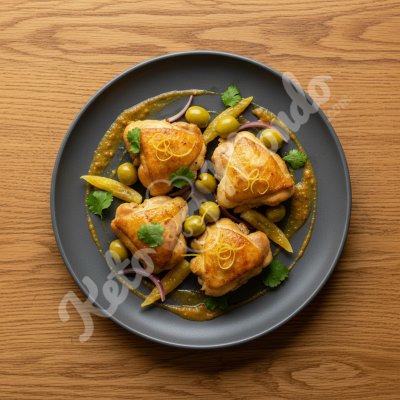
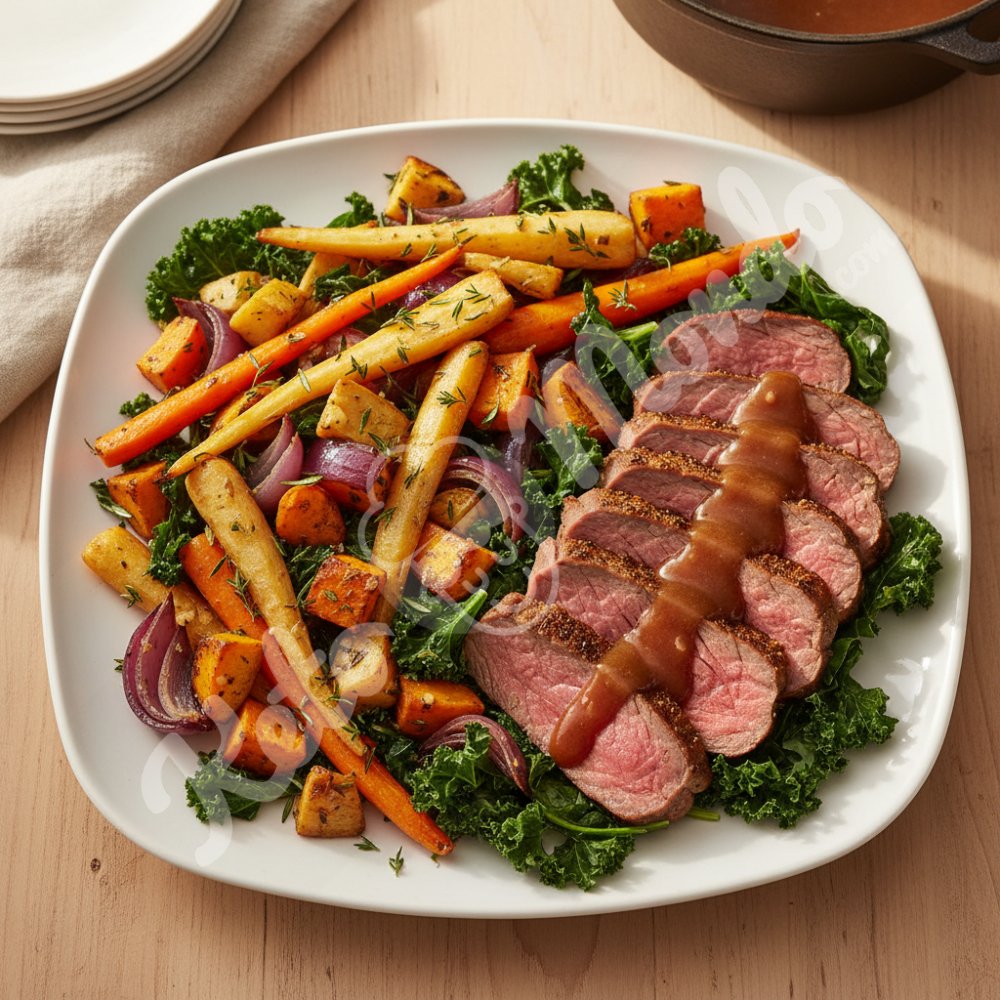
Instead of the classic structure of the Western plate – a protein, a vegetable and a mountain of starches – we find ourselves with a plate composed of a quality protein and an abundance of vegetables. It's not a deprivation, it's a rebalancing. By removing grains, we free up space, both physical on the plate and metabolic in the body. We stop filling our stomach with empty calories and feed it with dense nutrients. It is a subtraction which, paradoxically, multiplies the benefits.
Nutritional density at a glance
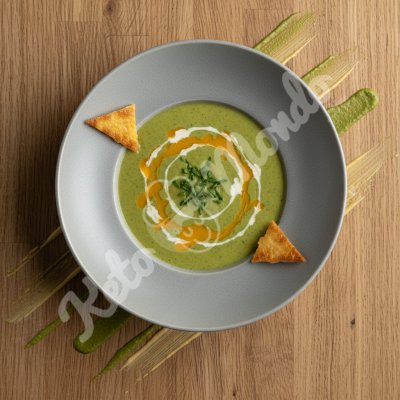
One of the most immediate and rewarding effects of this removal is the explosion of color on the plate. Cereals and starchy foods are often dull: white, beige, grayish. By replacing them with seasonal vegetables, we bring in the light. The deep green of kale, the vibrant purple of red cabbage, the bright orange of carrots (eaten in moderation but with pleasure), the pearly white of cauliflower. This coloring is not only aesthetic; it is the visible sign of nutritional density.
Each pigment corresponds to a family of antioxidants, vitamins and minerals. A colorful plate is a plate that speaks to our gathering instinct. It signals to the brain that the body will receive everything it needs to function optimally. By increasing the proportion of vegetables, we mechanically increase our fiber intake, which stabilizes blood sugar and promotes peaceful digestion. We no longer eat just to fill ourselves, we eat to light up from within.
The power of smart volume
One of the biggest fears when cutting carbs is being hungry. This is a legitimate fear if we simply reduce portions. But my secret is to massively increase the volume of non-starchy vegetables. A huge portion of garlic-roasted broccoli, a mountain of sautéed zucchini or a crunchy coleslaw bring immediate physical satisfaction by distension of the stomach, without causing the digestive heaviness associated with pasta or rice.
This feeling of satisfaction without heaviness is a revelation for many. You can eat your fill, feel full and still remain light, alert and full of energy after the meal. This is what I call 'smart volume'. We use the fibrous structure of vegetables to stave off hunger while nourishing the microbiome. We leave the table with a clear mind, ready to resume our activities, without this urgent need to take a nap or find a coffee to compensate for the insulin spike.
Roast revisited
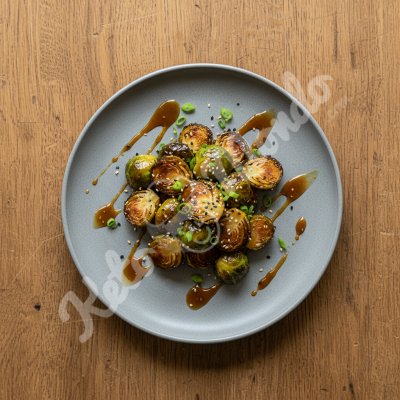
British cuisine lends itself wonderfully to this philosophy. Take our traditional 'Sunday Roast'. Simply remove the roast potatoes and Yorkshire pudding and you're left with the perfect base: juicy roast meat and its natural cooking juices. Instead of starchy foods, we multiply the vegetable accompaniments: leeks in cream, Brussels sprouts with bacon, cauliflower au gratin with cheese, wilted spinach with butter.
The pleasure remains intact, because what makes a good British meal special are the umami flavors of the meat, the richness of the sauces and the texture of well-cooked vegetables. By adapting our classics rather than trying to copy them with industrial substitutes, we maintain the link with our culture while respecting our metabolism. It's a gentle, natural transition, which requires no particular effort of will, just a little imagination and a lot of good products on the market.
Getting out of the dogma of support
Eventually, what begins as a simple reduction becomes a true liberation. We are moving away from the dogma of compulsory support. The vegetable is no longer the poor relation on the plate, the one we eat out of obligation. It becomes the main playing field. We discover forgotten textures, subtle bitterness, natural sweetness that sugar and starch previously masked.
This freedom translates into greater autonomy in the kitchen. We are no longer dependent on processed products or fixed recipes. We learn to make do with what we have, by following the simple rule: a protein, lots of vegetables, good fat. It is a structure which offers infinite variations and which adapts to all budgets and all seasons. It's the end of the dictatorship of carbohydrates and the beginning of a peaceful and joyful relationship with food.
Embrace the abundance of the earth
My message is simple: don’t be afraid to remove what no longer serves you. By making room for vegetables, you make room for health, vitality and pleasure. Nature is generous, it gives us everything we need to thrive. You just need to know how to look and choose wisely.
Get started today. At your next meal, remove the portion of grains and double the portion of green vegetables. Observe how you feel, how your energy stabilizes, how your taste refines. It's one small step for your plate, but one giant step for your well-being. Simplicity is the ultimate sophistication, and in cooking, it is the shortest path to a balanced life.