
The blood of the Atlantic
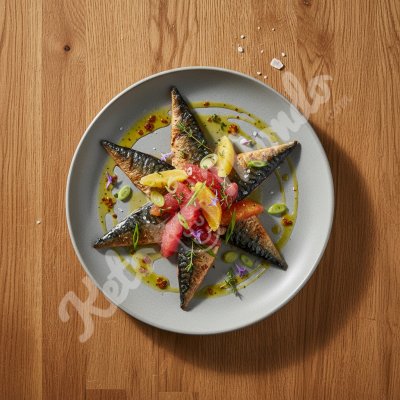
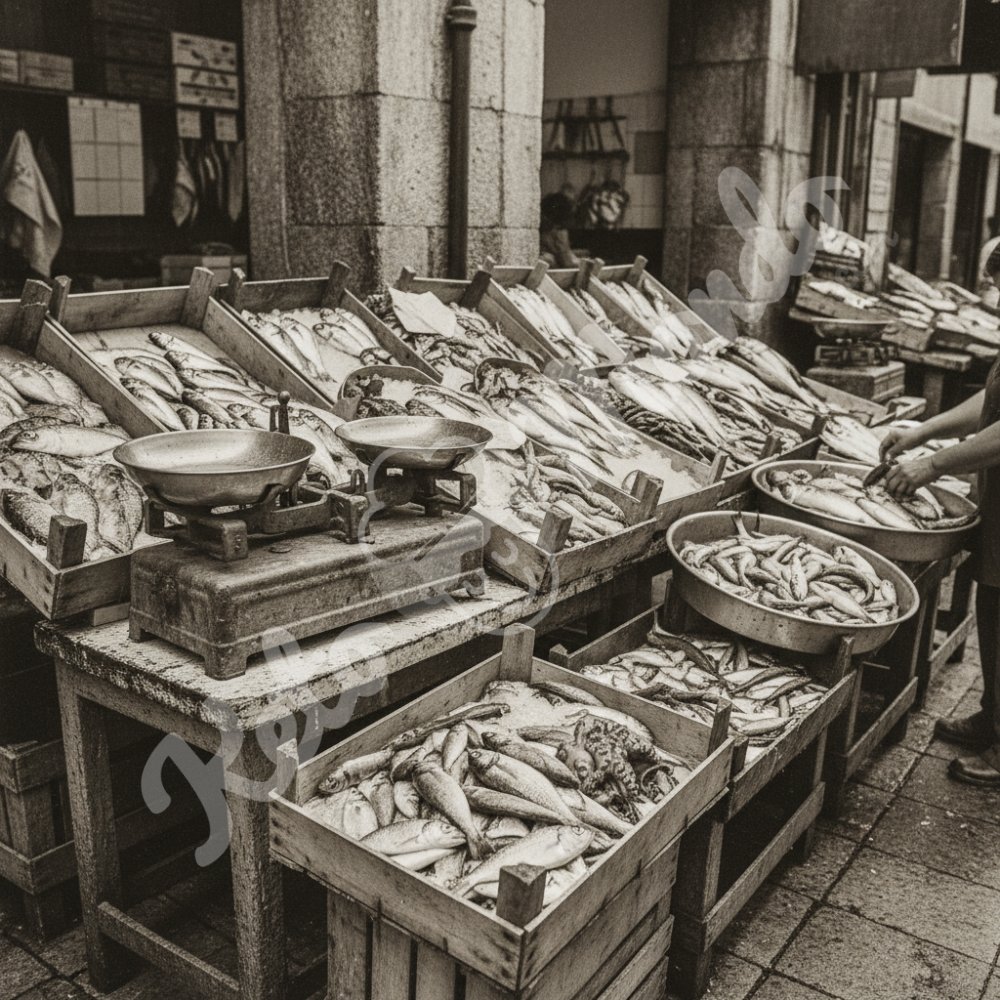
My grandfather was a man of the sea, a fisherman whose hands told of decades of struggle with the Atlantic. My grandmother was the guardian of the home, the one who knew how to transform the return from fishing into a feast of simplicity. In their house, fish was never complicated. It was grilled over the coals, poached in a clear broth or simply served with a generous splash of olive oil and a little sea salt. It was absolute evidence, a form of purity that nothing could taint. This heritage is my blood, my culinary compass.
As I grew up, I understood that this simplicity was not a lack of means, but a form of supreme respect for the product. You don't hide a fish that has just come out of the water behind heavy sauces or complex accompaniments. We let him speak. This lesson of restraint is at the heart of my approach today. Returning to coastal heritage means refusing the noise of modernity to find the eloquent silence of freshness. It is an act of faithfulness to those who taught us to eat truthfully.
The why and how
Today, modernity bombards us with questions: 'Why not add this?', 'Why not transform that?', 'How can we make this dish more trendy?'. We are pushed towards constant innovation, often to the detriment of health and taste. But when people ask me why I insist on cooking so simply, I say that's how the coast has always worked. The sea does not need marketing. It imposes its own rhythm and rules. My cuisine is a response to this demand for reality.
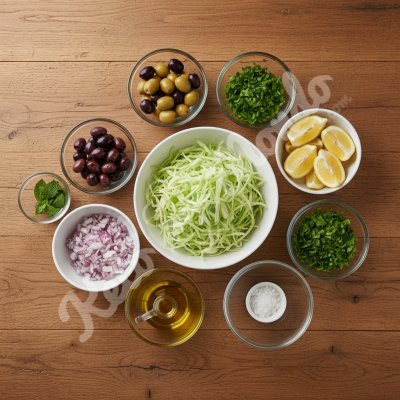
Questioning modernity also means realizing that many of our dietary 'progress' is in fact metabolic regression. Added sugars, refined flours and industrial oils have distorted our relationship with food. By going back to the basics — fish, vegetable, lemon, olive oil — I don't take a step back, I take a step aside to get out of the confusion. I choose clarity over chaos, durability over ephemerality. It is a conscious modernity, which knows what it must preserve.
The necessary purification
Revisiting tradition does not mean slavishly copying it, but purifying it to extract its essence. In my kitchen, this means removing modern additions that have no place there: unnecessary breading, sauces thickened with starch, side dishes that are too high in carbohydrates. I keep the heart of the recipe – the cooking technique, the marriage of primary flavors – and I leave aside the superfluous. The result is a dish that resembles my grandmother's, but is perfectly adapted to my needs today.
This purification is a liberation. It allows you to rediscover the real texture of a fish, the crunch of a seasonal vegetable, the hint of acidity of a fresh lemon. We no longer eat out of habit or automatism, we eat with an acute awareness of each flavor. It’s precision cooking, where every ingredient must be flawless because it has nowhere to hide. Clarity is demanding, but it is infinitely more rewarding than confusion. This is the elegance of truth.
The link between the ages
At 35, when I set the table for my children, I feel a deep emotion. I know that the actions I make are the same as those of my grandmother. By serving them a simple, healthy fish, I connect them to a lineage of strength and health. They don't just eat nutrients, they eat a history, a territory, a culture. It is an embodied continuity which crosses the ages without weakening. The table is the place where generations meet and recognize each other.
My determination to promote conscious eating does not waver. It is an honor to accompany you on this path of transformation. Together we are redefining what it means to eat well. I am waiting for you in my kitchen for new tasty and healthy discoveries.