
Altitude as dictator
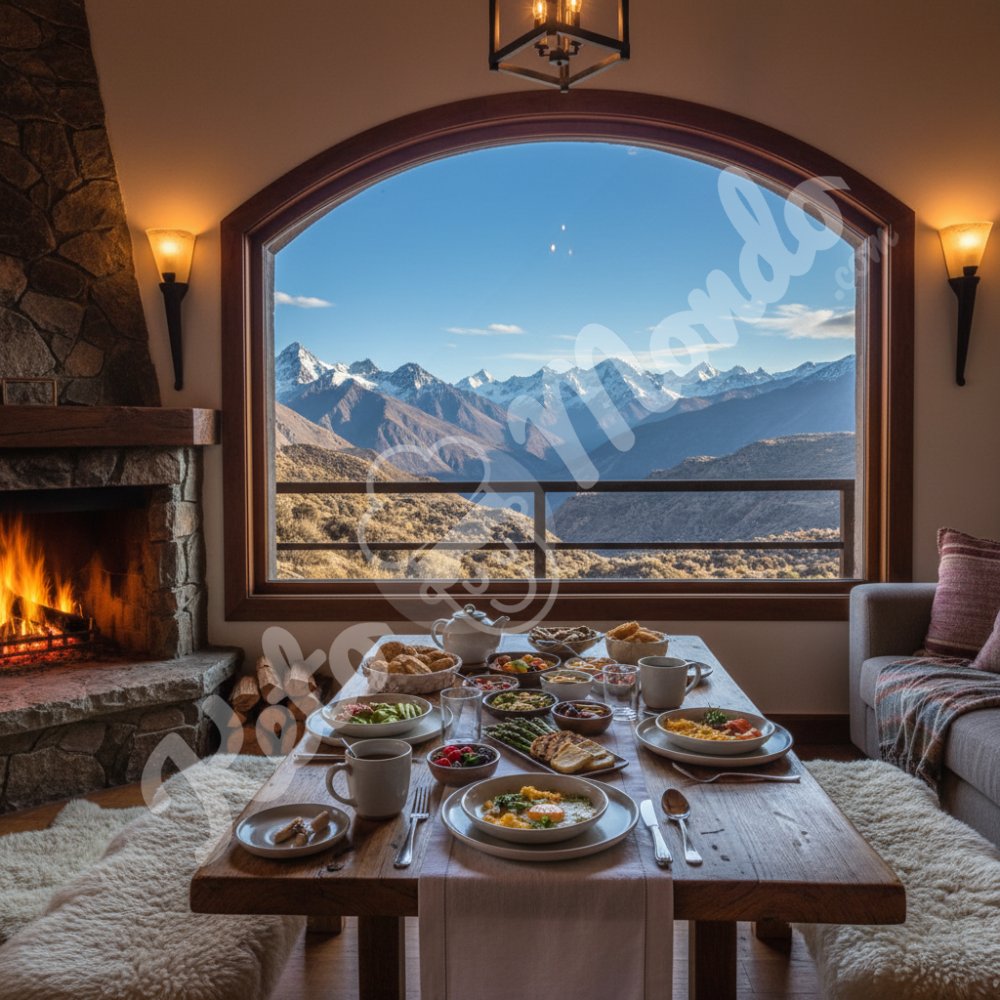
The altitude is not just a picturesque backdrop; he is a silent and ruthless dictator. When you live at 8,000 feet or higher, every aspect of your physiology is challenged. Oxygen is scarce, atmospheric pressure changes the way your body processes fluids, and the cold requires constant heat production. In this extreme environment, dietary errors not only result in a little fatigue, they can become dangerous. Fast sugars and insulin spikes, followed by their inevitable crashes, are luxuries we cannot afford. Hypoglycemic malaise in the middle of a steep trail or during a snowstorm is not an option. It's a question of survival.
My grandmother, who spent her entire life in the highlands, knew nothing about modern biochemistry or Krebs cycles. Yet she possessed an intuitive wisdom deeper than many nutrition textbooks. She knew that to live and work here, you needed energy that 'fits the body'. She cooked for stability, not for the fleeting pleasure of something sweet. His meals were anchored by grilled proteins, animal fats and robust vegetables. She understood that the body needs an inner fire that burns slowly and steadily, like a big log of hardwood, rather than a straw fire that ignites and goes out in an instant. This empirical approach is the very basis of what we today call metabolic stability.
Protein as a foundation
Proteins are the foundation of this energy architecture. Unlike carbohydrates which are burned quickly, proteins require a longer digestion effort, which ensures a gradual release of nutrients into the blood. They provide the building blocks necessary for the repair of tissues stressed by intense physical effort and hypoxia. But above all, they do not cause a massive insulin response. For a body that must function at altitude, this absence of blood sugar fluctuations is a blessing. It allows you to maintain a constant level of alertness and physical strength available at all times, without the phases of lethargy which generally follow a meal rich in starch.
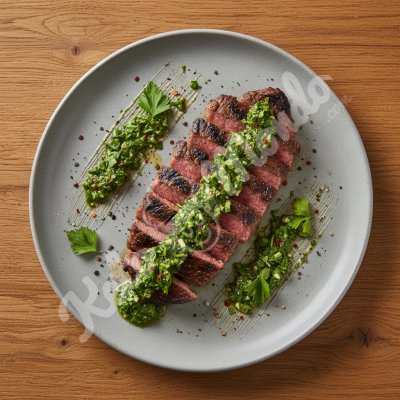
In Andean cuisine, protein is never just a side dish. It is the center of gravity of the plate. Whether it is sun-dried meat (jerky), roast lamb or lake fish, the quality of the muscle fiber is respected. We are not trying to transform it into a shapeless dough or drown it in flour. We grill it, we magnify it with fire, to preserve its nutritional density. By coupling this protein with the animal's natural fats, we create a high-performance fuel. It is the energy of endurance, the one that allows shepherds to walk for miles over rugged terrain without ever weakening. It is a quiet force, a power that emanates from the very structure of the food.
Fats as a resource
At altitude, fat is not an enemy; it is the most valuable resource. It is the densest reservoir of energy that nature can offer us. One gram of fat provides more than double the energy of one gram of carbohydrates, with much greater stability. Traditional Andean cuisine has never been afraid of fats. She integrated them strategically, understanding that without them, the body quickly becomes exhausted in the face of cold and effort. Animal fats, clarified butter or oils extracted from local plants are vectors of vitality. They allow the body to switch to a fat-burning metabolism, which is the ideal state for long-term endurance.
In a low-carb setting, this use of fat becomes explicit. What tradition knew from experience, science confirms: quality fats are the cleanest fuel for our mitochondria. They produce less oxidative stress than glucose and provide remarkable energy autonomy. By getting the body used to drawing on its own fat reserves, supported by dietary fat, we become metabolically flexible. We are no longer dependent on the next meal to function. This freedom is essential in the mountains, where conditions can change in an instant and you must be able to rely on your own internal resources to cope with the unexpected.
Mental clarity at altitude
One of the most striking effects of this diet is improved mental clarity. At altitude, the brain is the first organ to suffer from lack of oxygen. 'Brain fog' is a common symptom. However, I've noticed that when you follow the logic of Andean cuisine — protein, fat, vegetables, no fast carbs — the mind remains surprisingly sharp. It's as if, by stabilizing blood sugar, we free the brain from unnecessary workload. He no longer has to deal with the hormonal roller coaster brought on by sugar and can concentrate on perceiving the environment and making decisions.
This concentration is vital when operating in a hostile environment. The ability to remain lucid, assess risks and maintain sustained attention depends directly on the quality of fuel we provide to our brain. Ketone bodies, produced during fat burning, are a fuel of choice for neurons, providing protection against hypoxic stress. By eating like our mountain ancestors, we not only nourish our muscles, we protect our intellect. It is a form of cognitive resilience that allows us to remain in control of ourselves, whatever the altitude.
Endurance as a measure of success
For me, the true measure of the quality of a meal is not the immediate pleasure it provides — although that is important — but the way it makes you feel several hours after leaving the table. Is the energy still there? Has hunger remained silent? Is the mind always clear? A traditional Andean meal, rich in nutrients and low in carbohydrates, answers all these questions in the affirmative. It is a diet designed for endurance, for duration, for active life. She doesn't let you down in the middle of the afternoon. It supports you until the sunset.
This vision of endurance is what I want to transmit to the modern world. We may live on the plains, but our lives have become a roller coaster of stress and constant demands. More than ever, we need this energetic stability that our ancestors perfected in the Andes. Returning to a cuisine of real proteins, fats and vegetables means giving ourselves the means to weather our own storms with strength and serenity. It is choosing the path of robustness rather than that of ephemeral ease. It is, ultimately, honoring life by giving it the best of itself: inexhaustible energy and total presence in the world.