
When excess becomes vulgar
We live in strange times where abundance has become the norm, and by extension, a form of banality. All-you-can-eat buffets, supermarkets with endless aisles, oversized portions... All this is no longer a sign of wealth, but of a certain confusion. True luxury today has moved. It no longer lies in quantity, but in selection. The ability to say 'no' to the superfluous in order to focus on the exceptional has become the mark of refinement. In my kitchen, I look for this sobriety. I prefer to serve a single wild asparagus, picked that morning and simply glossed with churned butter, rather than a mountain of soulless side dishes. Sobriety is a discipline that requires courage, because it leaves no room for error.
This inversion of values affects all aspects of our lives, but it is particularly obvious at the table. Excess carbohydrates, sugars and processed foods have become the background noise of our diet. To escape from it, to choose a more sober, more demanding path, it is a form of aristocracy of the spirit. It's not a question of money, but of intention. Luxury is having control over what we ingest, not being the toy of the impulses dictated by a food industry that seeks to saturate us. Sobriety gives us back our sovereignty.
The return to meaning
When you reduce the volume of what you eat, each bite takes on disproportionate importance. We can no longer eat automatically, in front of a screen or while walking. Sobriety imposes presence. It is a form of sensory meditation. We observe the color of an olive oil, we smell the scent of a mature cheese, we feel the texture of a walnut. This attention to the act of eating transforms the meal into a sacred experience. We rediscover that satiety is not only a matter of a full stomach, but a matter of satisfied senses. A small amount of an exceptionally high-quality food brings much deeper satisfaction than a gargantuan, mediocre meal.
In my personal practice, I have adopted this approach. I eat less often, sometimes only once a day, but this meal is an event. It is a moment of celebration where I tolerate no compromise. This rarity creates desire and sharpens the palate. We learn to distinguish the most subtle nuances, to appreciate the bitterness of pure coffee or the acidity of artisanal cider vinegar. Sobriety is not deprivation; it’s an education. It teaches us to savor the intensity of life rather than trying to suffocate it under layers of sugar and flour.
Mental Clarity as the Supreme Possession
The greatest luxury of our time is not material, it is cognitive. In a world saturated with information and distractions, having constant mental clarity is an invaluable advantage. However, this clarity is directly linked to our metabolism. A diet rich in carbohydrates creates a permanent fog, an alternation of peaks of excitement and phases of lethargy. Choosing carbohydrate sobriety means giving yourself inner stability. It's like cleaning the windows of your perception. We think faster, we decide better, we are more present to others. This acuity is the real dividend of a chosen diet.
As a chef, I need this clarity to lead my brigade, to create new recipes, to stand for hours under pressure. I couldn't do my job with my mind clouded by difficult digestion. Dietary sobriety is my most valuable work tool. It allows me to stay connected to my culinary intuition. It's a luxury that I wouldn't trade for anything in the world. Health is not an absence of disease, it is a vibrant presence in the world, and this presence is cultivated on the plate.
The elegance of 'no'
There is a very elegant form of rebellion in being the one who does not succumb to easy temptation. In a social dinner, politely refusing bread or dessert is not an act of sad asceticism, it is an affirmation of oneself. It's saying: 'I know my needs, I respect my body, and I don't need these crutches to have a good time'. It's a radical freedom. Most people are prisoners of their habits and social conventions. To free oneself from it is to demonstrate a strength of character which is, in itself, a form of distinction.
This rebellion does not require big speeches. It is lived in silence and discretion. It is a personal ethic which is reflected in the appearance, in the look, in the energy that we exude. By choosing sobriety, we send a strong signal to those around us: that of a life governed by will and not by circumstances. It's a lesson in dignity. In my kitchen, I encourage this autonomy. I want my customers to feel free to choose what really makes them feel good, without being under the pressure of an imposed menu or a fixed tradition.
The lesson of minimalism
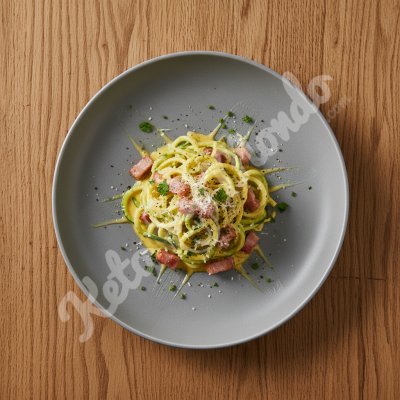
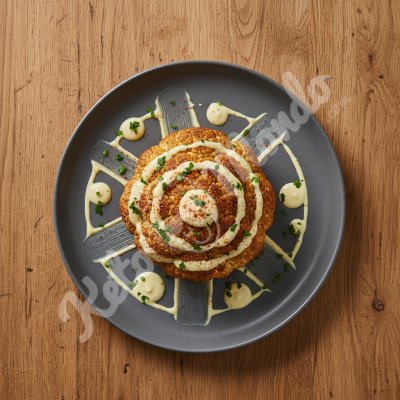
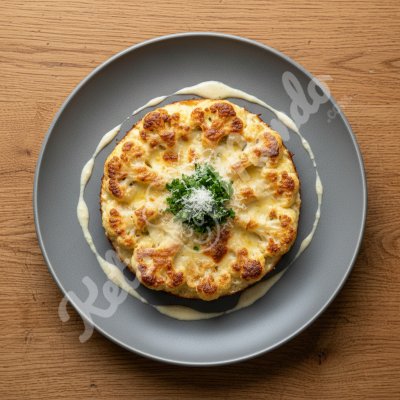
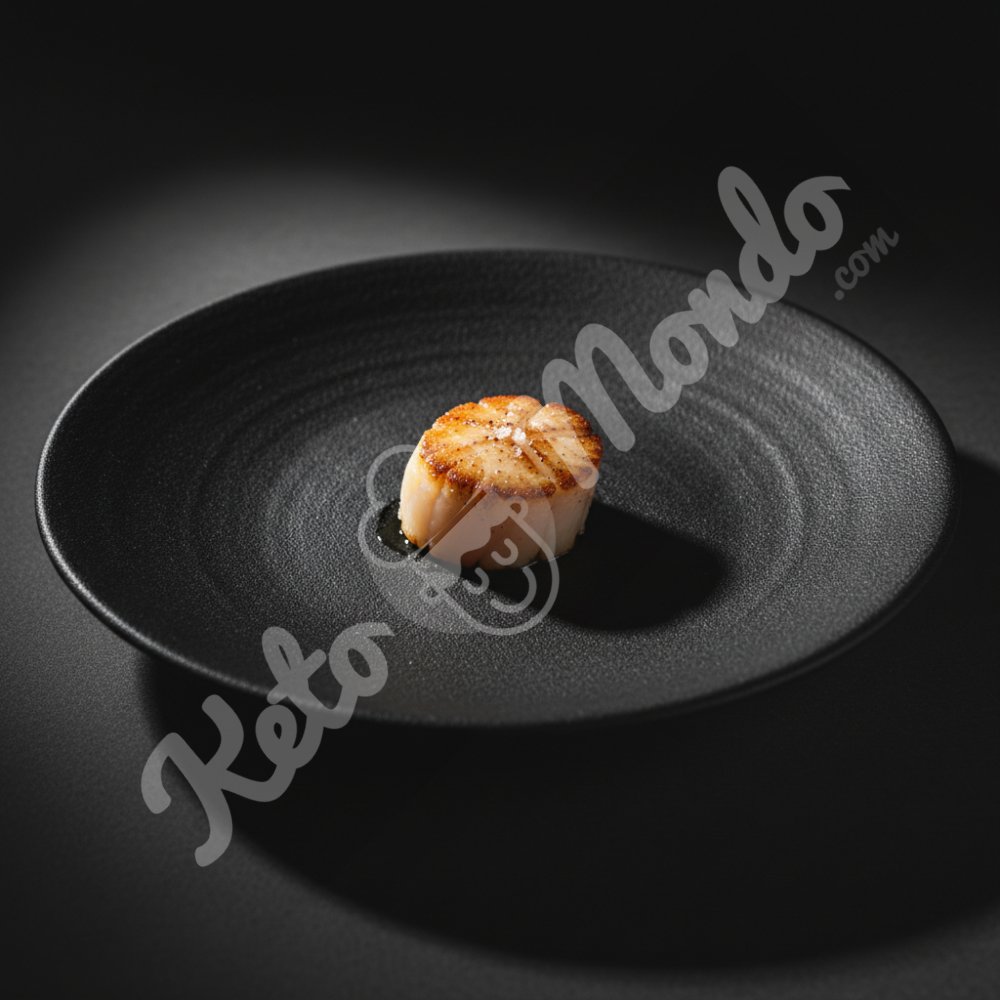
In art as in cooking, emptiness is as important as fullness. An overloaded plate is a mute plate. Minimalism allows each ingredient to express itself. It's a lesson I've learned over the years: the more you simplify, the more perfect you have to be. Sobriety does not forgive mediocrity. If you only serve a piece of turbot with a drizzle of hazelnut oil, the fish must be absolutely fresh and the cooking must be precise. It is this requirement that creates beauty. Luxury is daring to be simple.
This aesthetic of emptiness is found in our relationship to hunger. Learning to appreciate a slight gap, not to try to fill it immediately, is also a form of interior minimalism. It means leaving space for the body to regenerate, for the mind to escape. Sobriety is an invitation to an inner journey. By freeing us from the obsession with food, it opens the doors to a broader existence, richer in meaning. This is where true modern luxury lies: in the ability to transform less into better, and the simple into the sublime.