
The right gesture
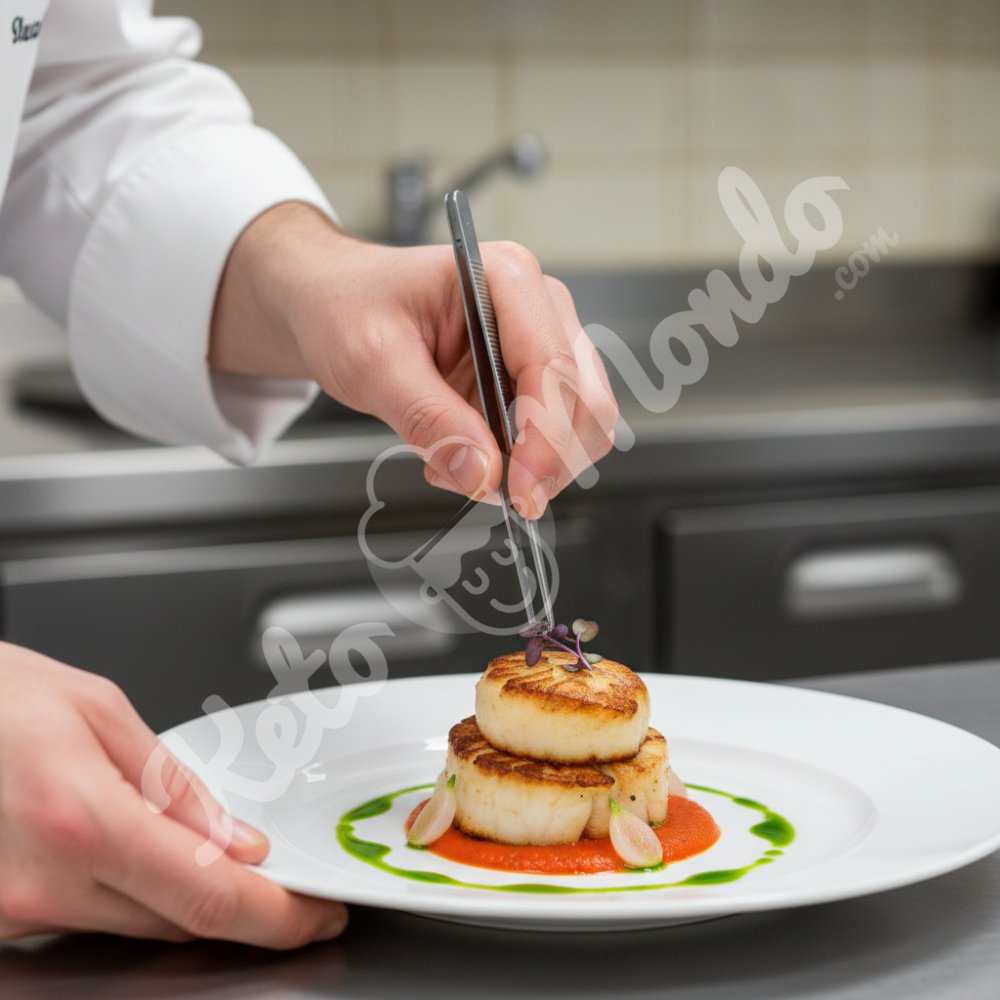
In my kitchen, precision is not a maniacal obsession with aesthetics; it is a form of deep respect for the person who is going to eat. When I ask my clerks for a perfectly regular vegetable brunoise, it's not just for the visual beauty of the plate. This is because an even cut ensures that each piece cooks equally. If the pieces are disparate, some will be overcooked and have lost their nutrients, while others will be raw and difficult to assimilate. The precision of the culinary gesture is the first link in the chain of digestion. A food respected in its physical structure is a food that the body recognizes and welcomes with kindness.
This 'right gesture' extends to each stage of preparation. It's the way we sear meat, emulsify a sauce, season on the fly. Every movement has a metabolic consequence. A clean cut, made with a perfectly sharp knife, preserves the juices and fibers of the food. Conversely, rough cutting crushes the cells and accelerates oxidation. As a chef, I consider my role to be to prepare the work of the stomach. The more precise I am in cooking, the less effort my guest's body will have to make to extract energy and nutrients. It is a form of invisible elegance, but whose effects are felt from the first bite.
Between science and intuition
Cooking a protein is undoubtedly the most perilous exercise and the most revealing of a chef's precision. Take a piece of beef or a fillet of sea bass. Too aggressive cooking, which chars fats and proteins, creates toxic compounds and makes the flesh tough, almost impossible to digest properly. Conversely, controlled cooking — a light Maillard reaction for taste, followed by prolonged rest to relax the fibers — allows the full bioavailability of amino acids to be preserved. Resting the meat is crucial here: it allows the juices to redistribute, making the flesh tender and juicy. It is this tenderness which facilitates enzymatic work.
In the context of a low-carbohydrate diet, where proteins and fats are the pillars, this control becomes an absolute necessity. We cannot afford to spoil a noble product by improper cooking. I often favor low temperature cooking or rapid searing followed by gentle heat. The objective is to preserve the integrity of the food. A respected protein provides clear satiety, without that feeling of heaviness or 'weight on the stomach' that one feels after eating poorly prepared meat. Digestive clarity begins with respect for fire.
Texture as a sensory language
The texture of a dish is a message sent directly to the brain. When we chew a food that has structure — the crunch of an al dente vegetable, the supple resistance of a sautéed mushroom, the crunch of poultry skin — we activate satiety signals that are much more powerful than if we swallowed a shapeless puree. The 'chew' is essential. It requires slow, mechanical decomposition of the food, which is the first essential step in good digestion. Cooking that is too soft, too processed, short-circuits this natural process and pushes us to eat more than necessary.
In French cuisine, we have an infinite vocabulary for textures: fondant, crunchy, crunchy, creamy, velvety... Knowing how to play with these contrasts on the same plate is the secret to a satisfying meal. For my low-carb dishes, I always try to integrate an element of resistance. This could be roasted hazelnut pieces, marinated raw vegetable shavings or a tile of cheese. These textures stimulate the production of saliva and digestive enzymes. The body, alerted by the sensory complexity, prepares for optimal assimilation. Texture is not a gimmick; it is a guide for our metabolism.
Medicine of the moment
In the kitchen, time is either an ally or an enemy. One minute too long on broccoli and you lose not only its vibrant color, but also much of its water-soluble vitamins and antioxidants. Respecting timing is a form of preventative medicine. I cook 'à la minute' as much as possible. Vegetables must keep their soul, their 'liveliness'. A vegetable that still has staying power is one that has kept its fiber intact, essential for regulating fat absorption and maintaining stable blood sugar levels.
This temporal requirement requires flawless organization, what we call 'mise en place'. Everything must be ready so that the final act of cooking is quick and precise. This discipline is reflected in the state of the one who eats. A meal served at the right time, at the right temperature, brings immediate satisfaction. There is no frustrating waiting, no stressful rush. The calm of the kitchen is transmitted to the plate, then to the guest's body. The mental clarity that I seek in my work is inseparable from this time management. We don't cook well in chaos, and we don't digest well in a hurry.
The presence found
The ultimate goal of this precision is to achieve a state of well-being after the meal. Too often, we accept as normal the fatigue that follows lunch, that famous 'slump' that forces us to look for coffee or sugar. It is actually a sign of culinary and nutritional failure. A successful meal should leave you more energetic than before you sat down to eat. Digestive clarity is this feeling of lightness that allows you to resume your activities, hold a brilliant conversation or return to the kitchen for an evening service effortlessly.
For me, this is the very definition of modern luxury: being able to enjoy rich, creamy and gourmet cuisine, while maintaining total control of one's physical and intellectual faculties. Noble fats and quality proteins, prepared with the rigor of French technique, offer this privilege. We don't eat to knock ourselves down, but to elevate ourselves. As a 46-year-old chef, I have never had so much energy, and I owe it to this discipline of gesture and plate. Precision is the shortest path to metabolic freedom.