
Bread is not cooking
There is a stubborn, almost romantic confusion that inseparably links French culinary identity to bread. We imagine the Frenchman with his baguette under his arm as if it were the alpha and omega of our gastronomy. But as a leader, I can tell you that this is a historical misunderstanding. Bread has long been a subsistence food, a necessary 'filler' for the working classes who needed cheap calories. Great cuisine, that of castles, renowned inns and bourgeois restaurants, has always been defined by something else: the quality of the raw product, the precision of the gesture and the complexity of the sauces. The bread was just an accessory, a tool for adding sauce to the plate, not the heart of the meal.
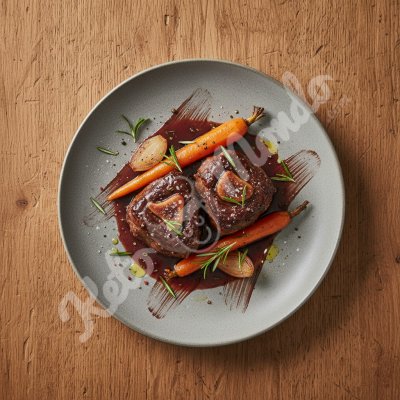
When we remove modern cereals — often processed, rich in gluten and with a high glycemic index — we do not empty the French plate, we free it. We remove a mask that stifled the subtle flavors. Without the bread, the butter of a hollandaise sauce comes through more clearly. Without the pasta, the texture of a beef cheek stew becomes the real star. Reducing cereals means giving back to the essentials. It is a return to a form of gastronomic purity where each ingredient must be sufficient in itself, without the artifice of a starched support.
The architecture of taste
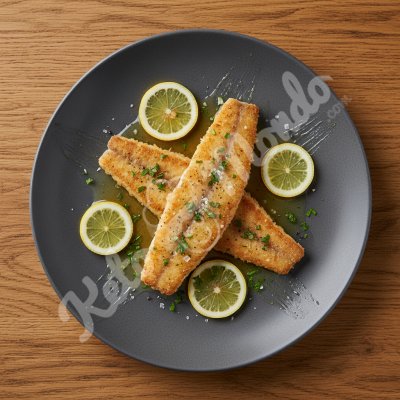
The balance of a French meal does not rely on the modern food pyramid which places cereals at its base. It is based on an architecture of flavors and textures. In my vision of cooking, the structure is simple: an exceptional protein, vegetables worked with the same standards as meat, and a noble fat to bind everything together. Starchy foods, in this scheme, are superfluous. They bring a heaviness that tires the palate and saturates the stomach before we can even appreciate the delicacy of a dessert or the depth of a cheese. By eliminating rice, potatoes or bread, we allow the guest to remain alert and savor every nuance.
This 'protein-vegetable-fat' structure is extremely effective for satiety. Unlike cereals which cause insulin spikes followed by cravings, this combination provides stable, long-lasting energy. This is a lesson I learned from observing the ancients: They didn't snack between meals because their lunch was nutrient and fat dense. By returning to this classic structure, we find a natural biological rhythm. The meal once again becomes a moment of intense pleasure that carries us through to the next one, without the shadow of reactive hypoglycemia.
Vegetables as new founders
For many, removing grains creates a visual and sensory void. This is where technology comes in. A vegetable is not just a 'side dish'; it can become the foundation of the dish. Take a celeriac: roasted whole in salt, then sliced like a steak and pan-fried in brown butter, it offers a chewiness and aromatic complexity that makes you forget any potato. Cauliflower, worked into fine semolina and sautéed in olive oil, is a great substitute for couscous or rice. These substitutions are not compromises, they are creative opportunities.
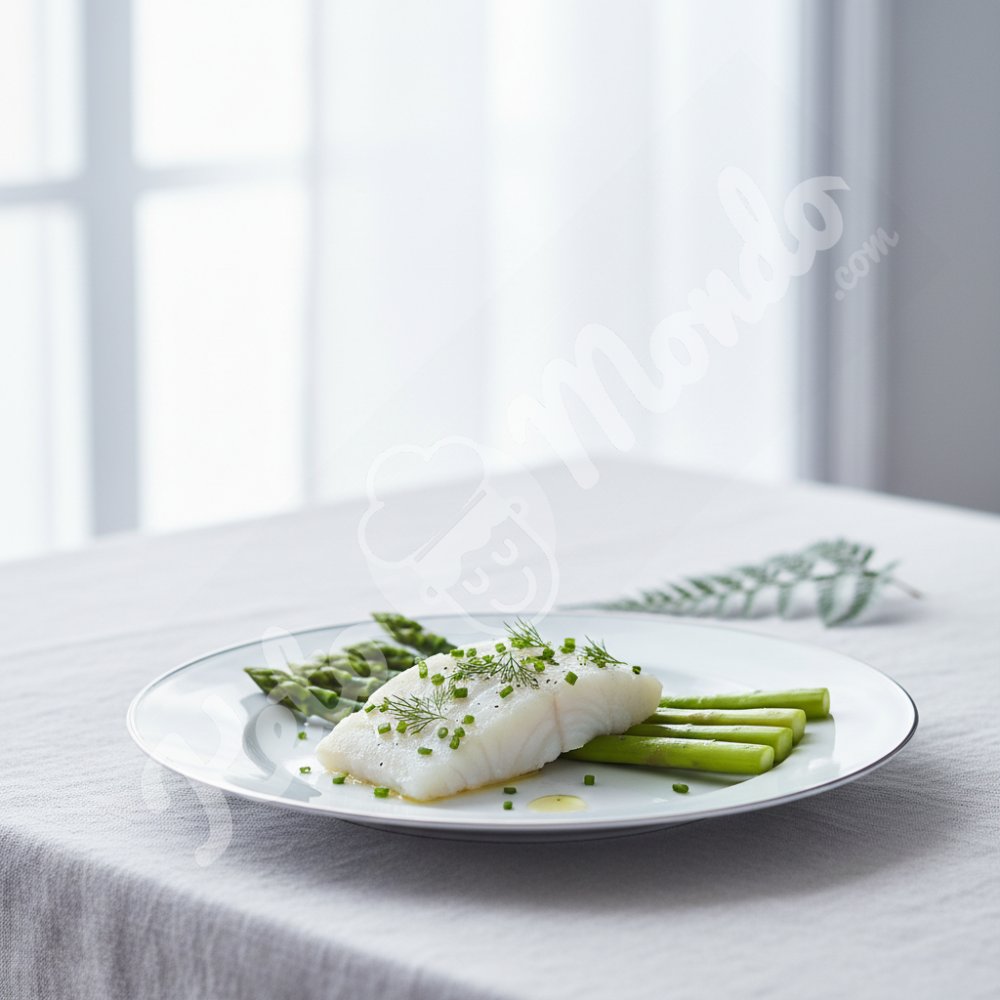
By treating the vegetable with the codes of haute cuisine – glazing, roasting, emulsion – we give it a new nobility. Seasonal vegetables, rich in fiber and micronutrients, provide a variety of textures that grains can't match. The crunch of al dente asparagus, the tenderness of candied eggplant, the sweetness of braised leek... It's an infinite palette. By learning to cook plants without drowning them in flour or breadcrumbs, we discover a vibrant, colorful and deeply nourishing gastronomy.
The art of texture without the grain
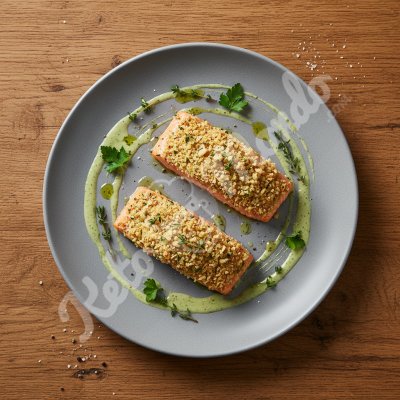
The biggest challenge when reducing cereals is finding that 'crunch', that crispiness that bread or pasta provides. But nature offers us much more interesting alternatives. Oilseeds – walnuts, hazelnuts, almonds – roasted and crushed, bring a woody dimension and an irresistible crunch to a salad or fish. The skin of perfectly roasted poultry, parmesan or kale chips, grilled pumpkin seeds... These are all textures that stimulate the palate without increasing the glycemic load. It's a kitchen of details, where each element brings its own note.
This search for texture pushes us to be more attentive to cooking. We can no longer rely on the softness of a piece of bread to compensate for overcooked meat. Everything must be right. It is a requirement that raises the standard of home cooking. We learn to respect the product, to look for the perfect cooking point which preserves the juice and the structure. This is how we lose the habit of 'filling' in order to learn to 'nourish'. Pleasure no longer comes from the quantity of material ingested, but from the quality of the sensory experience.
The invisible benefit
The most dramatic change I have observed, both in myself and in my clients, is the immediate improvement in digestion. The end of bloating, postprandial drowsiness and that feeling of mental 'fog' is a revelation. Without the fermentation of complex sugars in the intestine, the body regains a forgotten lightness. This digestive clarity translates into renewed energy for the afternoon. We no longer endure our meal; we come out of it grown. This is what I call 'digestive clarity', a state where the body functions optimally, unhindered by an overload of unnecessary carbohydrates.
In the long term, this reduction in grains allows for better regulation of inflammation and healthier skin. It's a virtuous circle. By choosing foods that respect our biology, we honor our body. French cuisine, in its purest version, is an ally of this health. It provides us with the fats necessary for the absorption of vitamins and the proteins essential to our structure. By simply removing the superfluous – cereals – we reveal the therapeutic potential of age-old gastronomy.
Towards a reinvented tradition
I am not a revolutionary who wants to burn down bakeries. I am a chef who notices that our way of life has changed. We no longer spend ten hours a day plowing the fields; we no longer need this massive carb load. Reinventing the French tradition without cereals is simply adapting it to our contemporary reality. It's keeping the spirit — the taste, the sharing, the excellence — while changing the form. This is a necessary development for our gastronomy to remain alive and relevant.
Ultimately, eating grain-free is not a deprivation, it is an education of taste. It's learning to appreciate the natural sweetness of a candied onion, the elegant bitterness of braised endive or the acidity of reduced meat juice. It is an invitation to rediscover the richness of our terroir with a fresh perspective. French cuisine still has so much to offer us, as long as we have the courage to leave aside what weighs us down and keep only what enhances us.