
The grammar of taste
In haute cuisine, technique is not an option, it is the very foundation on which the entire edifice rests. It is grammar that allows us to construct coherent culinary sentences. For me, technical mastery is what makes lightness possible without sacrificing deliciousness. When we remove the usual crutches such as flour, starch or sugar, we find ourselves faced with raw material. This is where know-how comes into play. A precise technique allows you to create texture, depth and complexity solely through the work of fire, time and gesture. It is a form of analysis which requires absolute rigor: without artifice to hide errors, each movement must be correct.
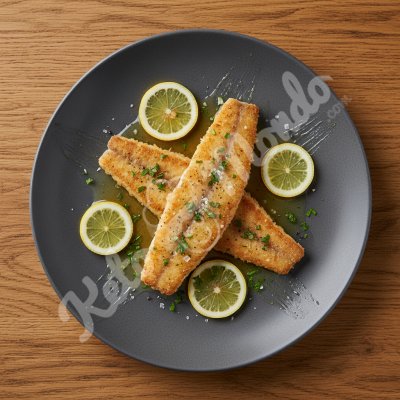
Take the example of a simple turbot fillet. In a classic approach, we could flour it to obtain a crust. In my kitchen, I focus everything on controlling the temperature and the Maillard reaction. By searing the fish to perfection in clarified butter, I create a crispy, flavorful coating that is made only from the fish's own protein transformed by heat. It is a 'clean' richness, without added carbohydrates, which honors the delicacy of the flesh. The technique then becomes a tool of revelation rather than transformation. It allows you to say a lot with very little, letting the ingredient express itself in all its purity.
The science of fire
Elegance in the kitchen is born from precision. Half a degree too much, a second of inattention, and the balance of a dish collapses. This requirement is especially true when working with noble fats and delicate proteins. Firebending is as much a science as it is an art. We must understand how muscle fibers contract, how fats are inserted into the tissues, how juices are concentrated. This knowledge allows you to create silky textures and intense flavors without the need for chemical thickeners. Technical precision creates a form of invisible beauty that is felt from the first bite.
This rigor translates into immediate sensory satisfaction. The body recognizes the accuracy of cooking. A vegetable that has retained its crunch while being cooked through, a meat whose juice has remained trapped in the fibers... These details make the difference between a meal that we endure and an experience that we savor. For those who follow a low-carbohydrate diet, this technical quality is essential. It compensates for the lack of volume with an intensity of pleasure. We don't eat 'less', we eat 'better', with an acute awareness of every nuance of taste. Precision is the true luxury of modern gastronomy.
The concentration of umami
One of the most emblematic techniques of French cuisine is reduction. It is the act of concentrating a liquid by slow evaporation until an essence is obtained. For me, this is the key to carb-free wealth. By reducing veal stock or shellfish broth, you concentrate not only the flavors, but also the collagen and minerals. We obtain a natural 'ice cream', of incredible smoothness, which coats the spoon without the need for a gram of flour. This is umami in its purest form. This technique requires patience and constant monitoring, because the transition from perfection to burnt takes just a few moments.
Working by reduction means choosing depth rather than thickness. A flour-bound sauce is often opaque and heavy on the palate. A reduced sauce is bright, translucent and has an aromatic intensity that explodes in the mouth. It respects the clarity of the dish. Additionally, these cuts are rich in bioavailable nutrients, which supports metabolic health. It is a cuisine of concentration, where we seek to extract the quintessence of each ingredient. As you master this technique, you realize that sugar and starch are only mediocre shortcuts to the satisfaction that only patience can truly deliver.
Sensory dialogue
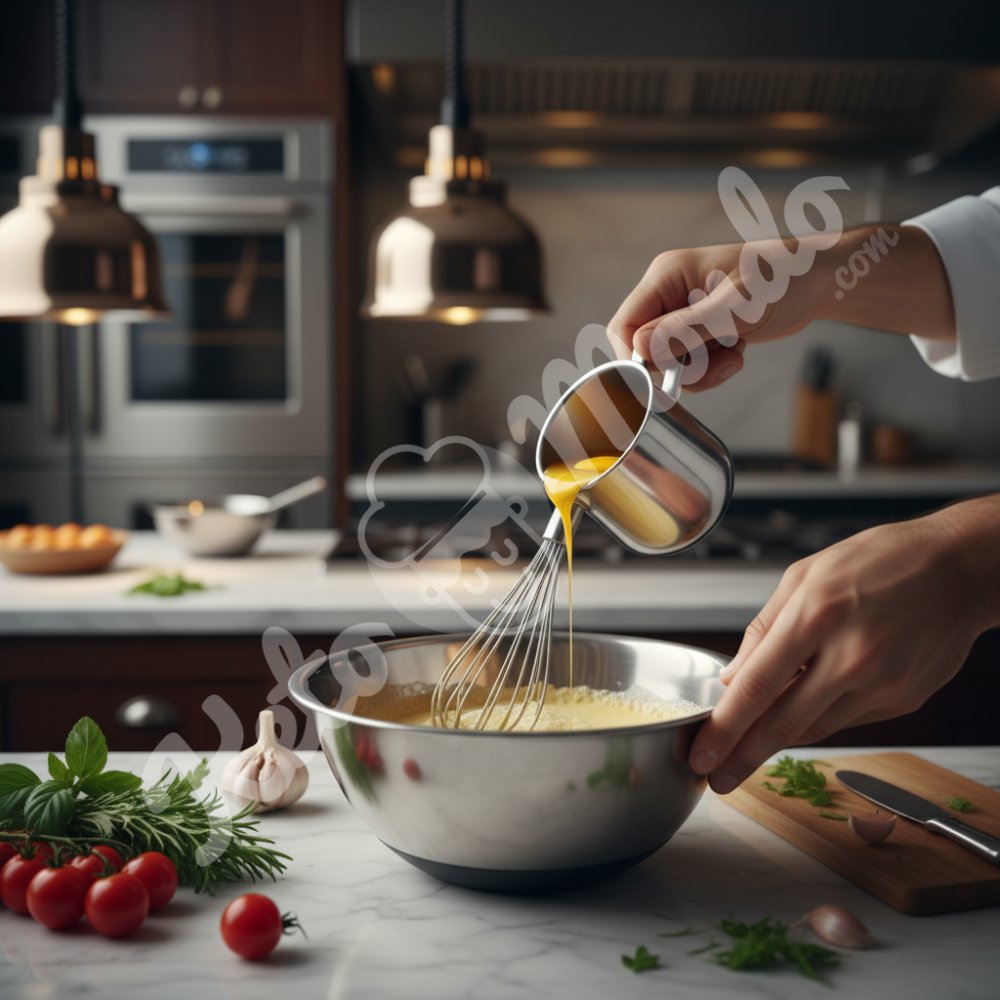
After forty years behind the stove, my cooking has become a permanent sensory dialogue. I no longer need a thermometer to know if my butter is at the right temperature; the sound of the crackling tells me so. I no longer need a watch to know when to turn my meat; the smell of caramelized juices warns me. This 'eye' and this 'hand' are the result of relentless practice. It is this intimate connection with the material that allows the technique to be adjusted in real time. If a sauce reduces too quickly, if a vegetable releases too much water, the hand instinctively intervenes to restore the balance.
This sensory mastery is what allows dishes to be lighter with confidence. We know exactly how far we can push an ingredient. We play with textures — the crunchy, the melting, the silky — to create a journey in the mouth. For my clients, this attention to detail translates into a feeling of lightness and well-being. They feel that the dish has been 'thought' and 'felt' before being served. Technique is no longer a cold barrier, but a bridge between the cook and the taster. It is a form of technical generosity that honors the guest by offering them the best of what nature and know-how can produce together.
The evolution of the classic
We often think that technique is a constraint, a set of rigid rules that must be followed to the letter. On the contrary, I believe that technical mastery is the sine qua non condition of freedom. It's because I know the basics of classic cooking perfectly that I can afford to transgress them. Removing the roux from a sauce is not a beginner's mistake, it is a deliberate choice of a chef who knows how to achieve the same result — or even a better result — by other means. Technology gives me the freedom to evolve without losing my identity.
This evolution is necessary for French cuisine to remain alive. She must adapt to current knowledge about health and metabolism without denying her soul. By putting the technique at the service of low-carb, I prove that you can be both an heir to Escoffier and a follower of metabolic clarity. There is no conflict, only a constant search for accuracy. Freedom is being able to cook an exceptional meal that nourishes the body as much as it delights the mind. It is this path that I trace, with precision and passion, one gesture at a time. Technique is my most faithful ally in this quest for a renewed French gastronomy.