
Getting out of the culture of volume
We have been conditioned by a culture of excess. In the modern collective imagination, the generosity of a table is measured by the overflowing plates and the multiplicity of dishes. It’s a quantitative view of satisfaction that, paradoxically, often leaves us hungry. We fill the stomach, but we do not nourish the cells. This obsession with volume is the symptom of an impoverished diet: as industrial foods lack essential nutrients, the body pushes us to consume more in the hope of finally finding what it needs. It’s a vicious circle that leads to excess weight and chronic fatigue. As a chef, I advocate a radical break with this model: quality is not a luxury, it is a metabolic necessity.
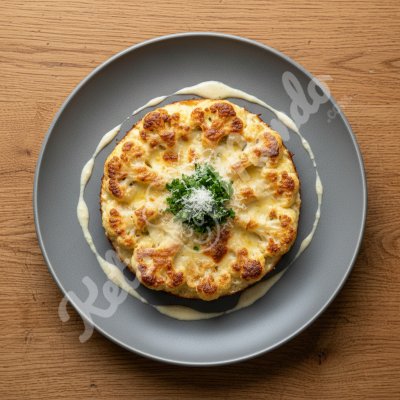
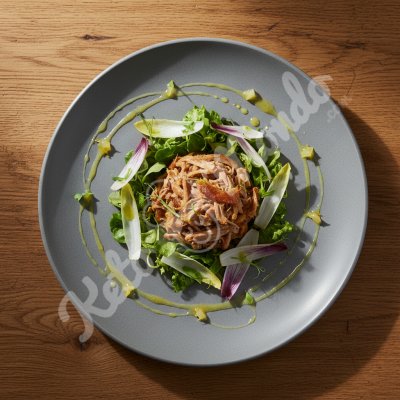
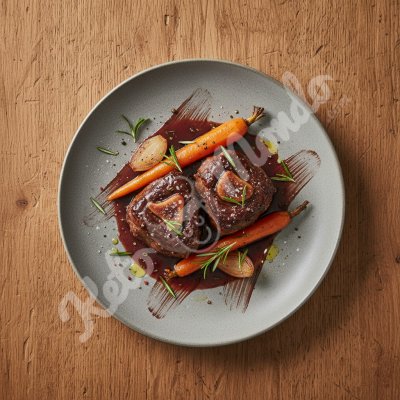
Eating less is not a punishment or calorie restriction in the sad sense of the word. This is the natural result of an upscaling of what we ingest. A small portion of perfectly browned sweetbreads, accompanied by wilted spinach with brown butter, brings much greater sensory and biological satisfaction than a huge dish of pasta with industrial tomato sauce. When each bite is an explosion of flavors and nutrients, the brain quickly receives the signal that the mission is accomplished. We leave the table not 'full', but 'fulfilled'. It’s a semantic nuance that changes our entire relationship with food.
The intelligence of the ingredient
The secret to this satisfaction lies in nutritional density. In my cooking, I favor foods that 'speak' to the body. Meat from free-range, grass-fed meat has a fatty acid and vitamin profile that will never be found in battery-fed meat. A chicken egg that has run in the meadows is a concentrate of choline, lutein and good lipids. These foods are dense. They are rich. They are true. By consuming them, we offer our body the basic building blocks it needs to function, repair itself and create energy. It's a form of culinary economy: we invest in the best to consume less.
Conversely, the 'empty' calories from sugars and refined flours act like a mirage. They provide immediate energy but no construction tools. The body, feeling cheated, demands food again shortly after. This is the tragedy of modern food: we are overfed but undernourished. By choosing noble fats – churned butter, extra virgin olive oil, duck fat – and proteins of high biological value, we re-establish communication with our metabolism. We become intelligent eaters again, capable of recognizing the real value of what is on our plate.
Learn to listen again
Fullness is not a physical sensation of stomach distension. It is a complex hormonal signal, orchestrated by leptin and ghrelin, which tells us that our energy reserves are sufficient. Fats are the best triggers of this signal. Unlike carbohydrates, which stimulate insulin and often whet the appetite, lipids slow gastric emptying and send a message of calm to the brain. Learning to listen to this language takes some practice. You have to know how to stop at the precise moment when the pleasure declines slightly, even if there is food left. It is an act of respect towards oneself.
In a ketogenic setting, this listening becomes almost automatic. As blood sugar levels are stable, we are no longer prone to impulsive cravings. We can choose the time of our meal and its composition with peace of mind. This freedom is the greatest gift of this diet. We no longer eat because it's time or because we're stressed, but because the body expresses a real need. And since this need is satisfied by high-quality foods, the quantity naturally becomes moderate. This is the elegance of sufficiency: having exactly what you need, no more, no less.
Gratitude of the body
Heavy digestion is a sign of an error in judgment. If you feel tired after eating, it is because you have asked your body for a disproportionate effort compared to the benefit obtained. Digestion consumes a lot of energy. By eating less but better, we reduce this workload. The body can then devote its energy to other functions: cellular repair, mental clarity, physical activity. The feeling of postprandial lightness is the best confirmation that the meal was suitable. It is a form of physical gratitude that we feel immediately.
This digestive clarity transforms the day. We no longer experience the 3 p.m. slump, we no longer need stimulants to stay alert. We are simply present. As a chef, I see the difference in my clients. Those who choose the densest and highest quality dishes leave with a bright look and renewed energy. They don't need to take a nap; they want to conquer the world. This is the magic of nutritional density: it transforms food into pure fuel for life, without the metabolic waste of a diet that is too bulky.
Honor the earth
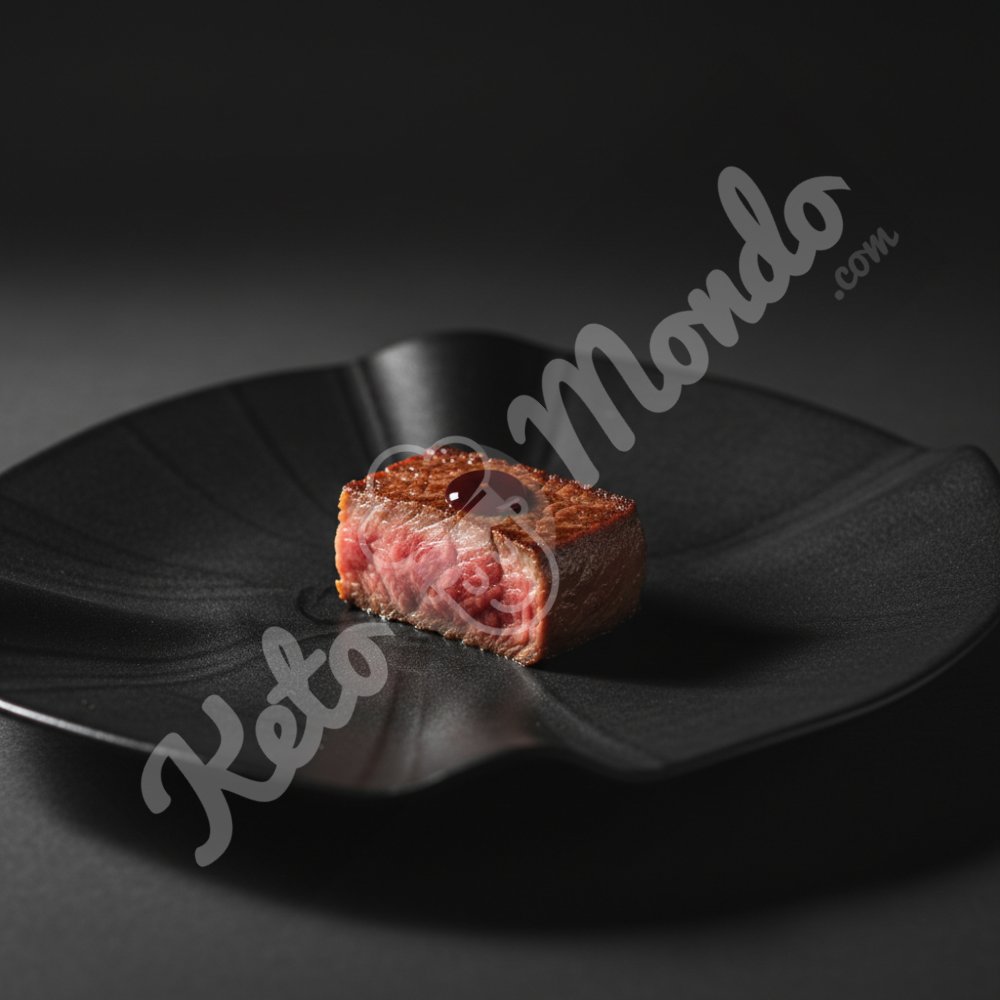
Finally, eating less but better is a political and ethical act. It means choosing to support small producers, respectful breeders and artisans who maintain age-old know-how. By purchasing an exceptional piece of meat once a week rather than mediocre meat every day, we contribute to a more sustainable food system. We recognize the value of the work and life that lies behind each ingredient. It's a form of humility: admitting that we don't need to plunder the planet's resources to be satisfied.
French gastronomy has always been a school of measure and taste. By returning to these fundamentals, we honor our heritage while adapting it to contemporary issues. Sobriety is not a sadness, it is a profound joy. It is the joy of savoring the essential, of respecting your body and of celebrating the richness of the earth with discernment. Eating less, eating better, ultimately means learning to live more intensely. It is the path to lasting health and an elegance of life which no longer depends on accumulation, but on the accuracy of each moment.