
Much more than just a garnish
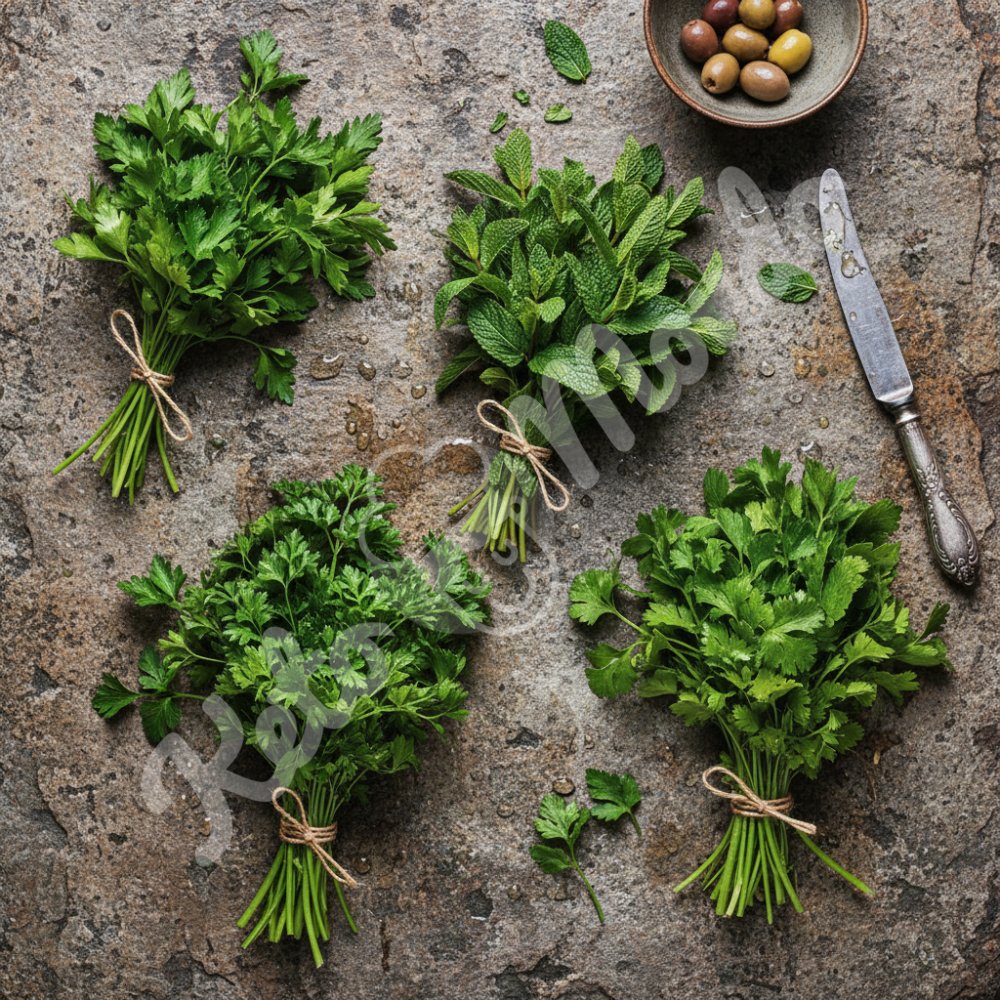
In my kitchen, herbs are never a last-minute decoration, a little splash of green thrown carelessly onto a finished dish. They are the skeleton, the very structure of what we eat. When I was growing up in Egypt, fresh herbs arrived at the table in armloads, like bouquets of wildflowers. Flat-leaf parsley, peppermint, fresh cilantro... we didn't use them in pinches, but in generous handfuls. It was our plant base, our way of giving body and life to each bite.
This abundance of herbs creates an aromatic density that saturates the senses even before the stomach is full. It is a form of sensory satiation. When you eat a salad where parsley is the main ingredient, like in a real traditional tabbouleh, you are not only consuming fiber; you consume an explosion of chlorophyll and minerals. Herbs provide freshness that suppresses hunger in a clean and elegant way, without ever weighing down the digestive system.
Voluntarily forgetting gluten
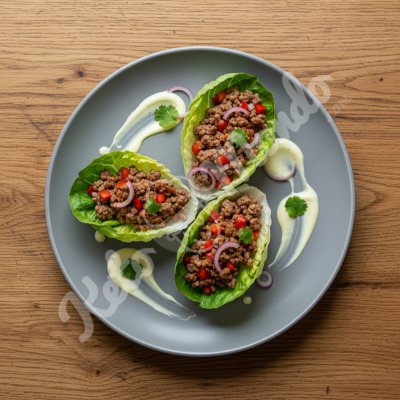
One of the greatest secrets of Levantine cuisine is that bread, although present, is often incidental. When you're presented with a platter overflowing with fresh herbs, crunchy cucumbers, sun-kissed tomatoes and salty cheese, the need for bread naturally disappears. Herbs fill the space. They serve as a support for the other flavors. You can wrap a piece of grilled meat in a large leaf of lettuce or mint, and the experience is infinitely more vibrant than with a wheat pancake.
By replacing the starchy structure of bread with the fibrous and aromatic structure of herbs, we drastically reduce the glycemic load of the meal without ever feeling like we are depriving ourselves. It’s a transition that happens through pleasure, not through restriction. The belly fills with living nutrients, the mouth is refreshed by essential plant oils, and the mind remains clear. It is a metabolic liberation that occurs through the simple return to an ancestral practice.
Lightness as a promise
Fresh herbs are natural allies of digestion. This is not a modern nutritional theory, it is a reality that we feel physically after each meal. Mint calms the stomach, parsley helps with elimination, coriander stimulates enzymes. By basing our diet on these plants, we make the work of our body easier. We get up from the table with a feeling of lightness and clarity that no cereal-based dish can offer.
This immediate lightness is the true promise of Levantine cuisine. It allows you to stay active, to continue to exchange, to not suffer from this post-prandial mental fog so common in Western diets. Herbs are natural purifiers. They cleanse the palate and the system, leaving behind a trace of lasting freshness. It is a form of vitality that is built bite by bite, while respecting biological rhythms.
The intensity of life
Sugar is often used to mask the poor aromatics of industrial foods. Fresh herbs have a natural intensity that makes sugar completely unnecessary. A raw mint leaf awakens every taste bud with incredible force. A sprig of coriander brings an earthy, lemony note that makes the dish more complex. In this vibration of authentic flavors, there is simply no room for cravings for artificial sweetness.
By educating our palate in the complexity of herbs, we reduce our reliance on binary flavors (sweet/salty). We discover the noble bitterness, the lively acidity, the herbaceous spiciness. It is an expansion of our sensory universe. Taste then becomes a health tool: the more we appreciate the diversity of plants, the more we nourish our body with the phytonutrients it needs. It’s a virtuous circle where pleasure leads to balance.
Sharing at the heart of the structure
The final beauty of this herbal structure is that it is intrinsically linked to sharing. In the Levant, you don't eat your herbs alone in your corner. We place them in the center of the table, we share them, we comment on them. Reducing carbohydrates then becomes an act of community, a way of taking care of each other by offering what is purest on earth.
I invite you to try: the next time you cook, don't see parsley or mint as a detail. Make it the heart of your plate. Buy them in large bunches, wash them carefully, and eat them with gratitude. You will see that your body will immediately recognize this original food. Health is not a complicated destination, it is a return to freshness, sharing and life.