
The misunderstanding of starchy foods and false satiety
When we hear that Polish cuisine is 'heavy', we almost always forget a crucial detail: contemporary heaviness is almost exclusively linked to the stifling omnipresence of processed starches, white flours and sugary accompaniments that have invaded our tables. Our ancestors cooked to last, to last, to face reality. They didn't care about glycemic fuss. Returning to the sources – dense proteins, quality animal fats, local vegetables – does not mean betraying the comfort to which we are attached: it renews it by finally making it sustainable and respectful of the body.
The plate is full, but my spirit remains light. This is the true measure.
I remember childhood meals where the feeling of satiety remained pleasant, deep, never heavy. For what ? Because there was an instinctive intelligence in the composition of the dish: good fat for fuel, meat or fish for structure, vegetables which give chewiness and fiber. Modern starchy foods often add bulk without any real nutritional value; they fill the stomach but do not stably nourish the cells. By drastically reducing these parasitic elements, we gain immediate lightness without ever losing the warmth and comfort that make up the soul of our kitchen.
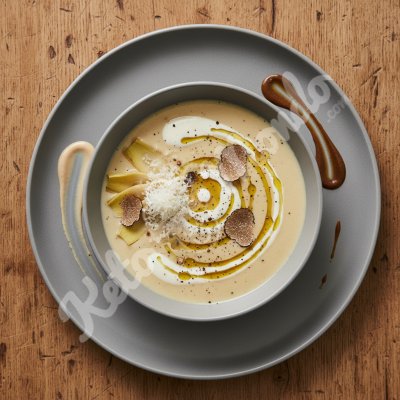
I look at the sauce. It shines, it is creamy, but it does not contain a grain of flour. It's a silent victory.
Technique, aesthetics and respect for rhythm
Cooking 'light' absolutely does not mean cooking minimalist or sad. It is a question of aesthetics and absolute respect for the product: cooking with surgical precision, fats chosen for their aromatic profile, contrasting textures which occupy the palate. This keeps all the generosity of the dish, but transforms it from the inside: we obtain comfort which does not weigh down in the afternoon, digestion which does not become an exhausting burden when we have to go out to face the cool of the evening. It’s a cuisine that gives energy instead of consuming it to be processed.
In the families I meet, I often observe a legitimate concern: that of losing part of one's cultural identity by changing the way one eats. It's a respectable fear. But what fascinates me is that in practice, the plates remain perfectly recognizable. The same braised meats, the same smoked fish, the same stored vegetables, the same generosity in sharing - but without the massive and cumbersome presence of potatoes or bread which stifled the meal. Cabbage, beets, turnips finally take their place of honor, proud and tasty. Animal fats, freed from the unjustified scientific guilt of recent decades, are regaining their central nutritional and sensory role.
There's also a question of sensory timing: a plate without quick starches naturally requires more chewing, more attention to subtle flavors. We eat more slowly, we talk more, digestion begins in better conditions. Mealtime once again becomes a ritual of connection, not a race against hunger. This is the great paradox: by removing an element (starchy foods), we gain depth, real satisfaction and presence in the world.
The sound of cutlery on porcelain. The calm that settles. Nobody asks for bread.
For those looking to lighten their diet while remaining deeply grounded in their culinary heritage, I always recommend thinking in terms of smart reduction rather than abrupt removal. Reduce starchy foods, increase the proportion of quality fats, practice slow cooking which softens everything. This transforms the metabolic effects without ever transforming the spirit of the meal. We find a comfort that has never actually disappeared; it was just buried under unnecessary and noisy modern additions.
Ultimately, lightening is not giving up; it’s refocusing. It's honoring tradition by finally making it adapted to today's health challenges. This sometimes requires relearning how to taste, breaking out of the anesthesia of sugar, but it is a learning experience that I personally find immense satisfaction. It is being in agreement with one's heritage and with one's own body, finally reconciled around an honest table.
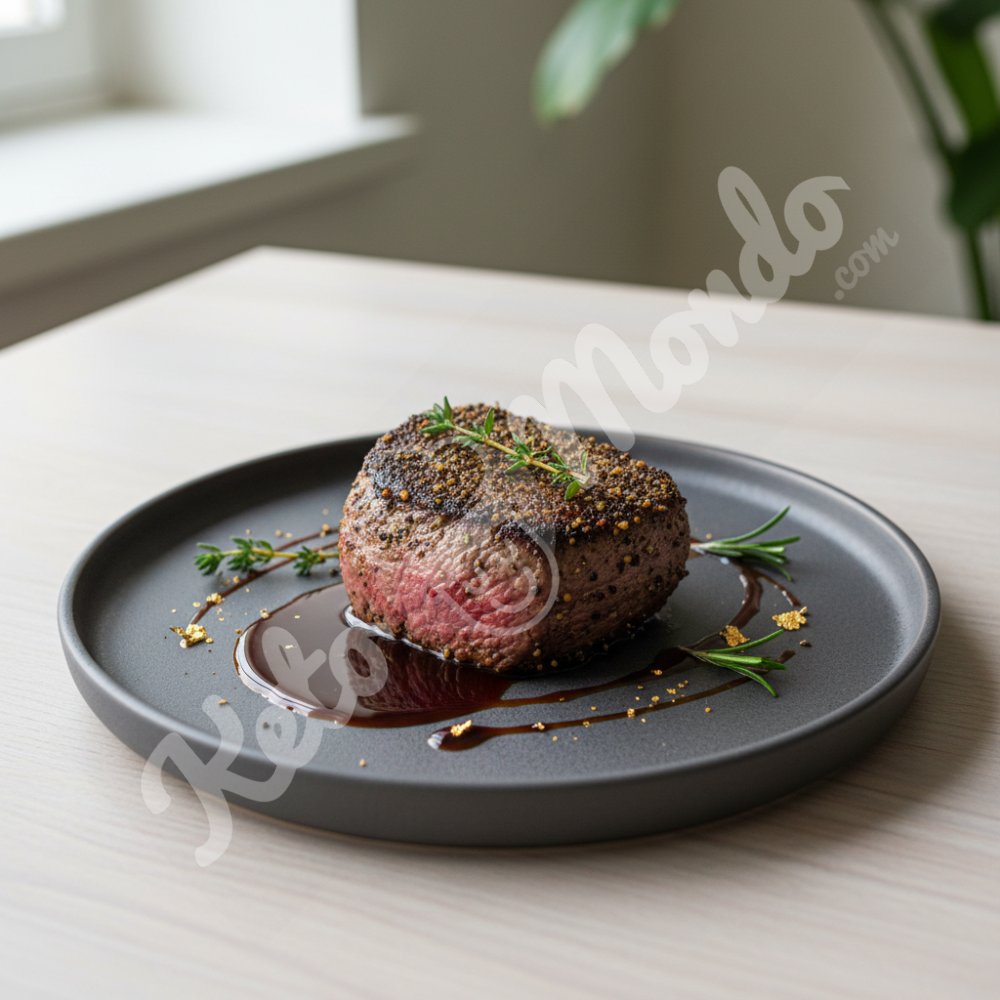
I serve the last dish. The steam rises, light. It's the end of the meal, and I feel ready to start the day again. This is true Polish cuisine.
No weight, just strength.