
The memory of fire
Smoking is much more than a preservation technique; it is an ancient sensory language that transforms raw flesh and gives it memory and thickness. In our Polish homes, the simple presence of a smoked product – whether it is a piece of bacon or a fillet of trout – is often enough to structure an entire meal. The smoky taste is intrinsically dense, it pleasantly saturates the palate, it creates an impression of aromatic complexity that has absolutely nothing to do with the easy sweetness of sugar. It's a way to achieve depth of flavor without ever adding empty calories or disruptive carbs.
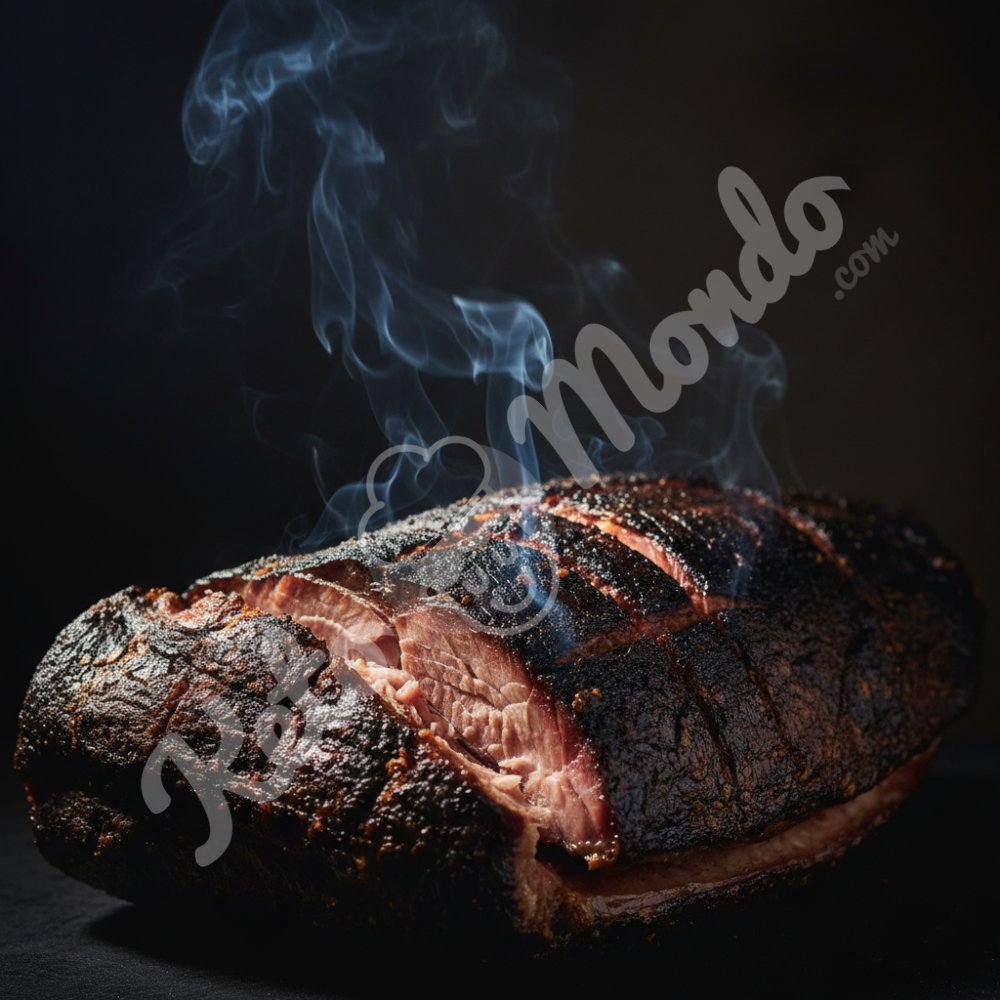
The smoke rises, blue and slow, above the smoking room. A scent of beech wood and suspended time.
What touches me deeply about smoked food is its unique ability to make a simple piece of fish or meat immediately singular, almost sacred. It introduces a note of sweet bitterness, an aromatic relief that commands attention. These qualities occupy the mouth and the mind: we naturally take the time to chew, to decode the nuances, and the feeling of satiety arrives without the glycemic oscillation specific to sweet foods. For a low-carb diet, it is an invaluable sensory resource. Smokiness is the perfect counterpoint to the blandness of industrial products.
I remember the smell of my uncle's clothes after a day at the smokehouse. It was the smell of food safety.
There is also an implacable practical logic: smoking allows you to preserve, vary the textures (from melting to firm) and expose the product to aromatic compounds which support the durability of the dish over time. It's a direct cultural response to the needs of cold cooking: we want taste, duration and a satiety that won't let us go. Smoking meets these three requirements without ever harming metabolic stability. It is a taste technology that respects the body.
Real satisfaction and fat balance
When I compose a low-carb dish, I systematically use smoke as an anchor point, a compass. It allows me to reduce, or even completely eliminate, sweet sauces or syrupy toppings. The sensory experience gains clarity: the palate finds solid points of reference, satiety sets in over the long term, and we never experience this feeling of deprivation so common in classic diets. On the contrary, we feel a depth, a satisfaction that comes from the heart of the product.
Smoking also interacts remarkably well with quality fats: raw olive oil, a light lemon emulsion or clarified butter are often enough to prolong the feeling of comfort brought by smoking. You don't need to add sugar to create richness — sometimes all you need is a simple dash of acid to balance everything out and make the woody aromas sing. Thus, we obtain a complete, nourishing and metabolically stable plate, where each bite is a discovery.
On a social level, offering a smoked product at the table is also a promise of slowness. The guests take their time, chewing is more conscious, the conversation naturally arises around the taste. All this contributes to better satiety and fewer glycemic fluctuations throughout the day. We don't 'consume' a smoked product, we taste it, we respect it.
The knife slides into the firm flesh. The color is deep, almost amber. This is the taste of patience.
Ultimately, smoking is a tool for metabolic coherence: it allows us to build dishes rooted in tradition, that respect the climate and support long-term health. For me, it embodies the ideal bridge between pure pleasure and reason — a way of being generous at the table without ever resorting to sugars and flours which disrupt our energy balance. It's rediscovering the taste of fire, the taste of life without artifice.
I close the smoking room. The smell will stay on my hands all evening. It's a good smell, a smell of culinary truth.
No sugar. Just smoke and salt.