
Learning by touch and look
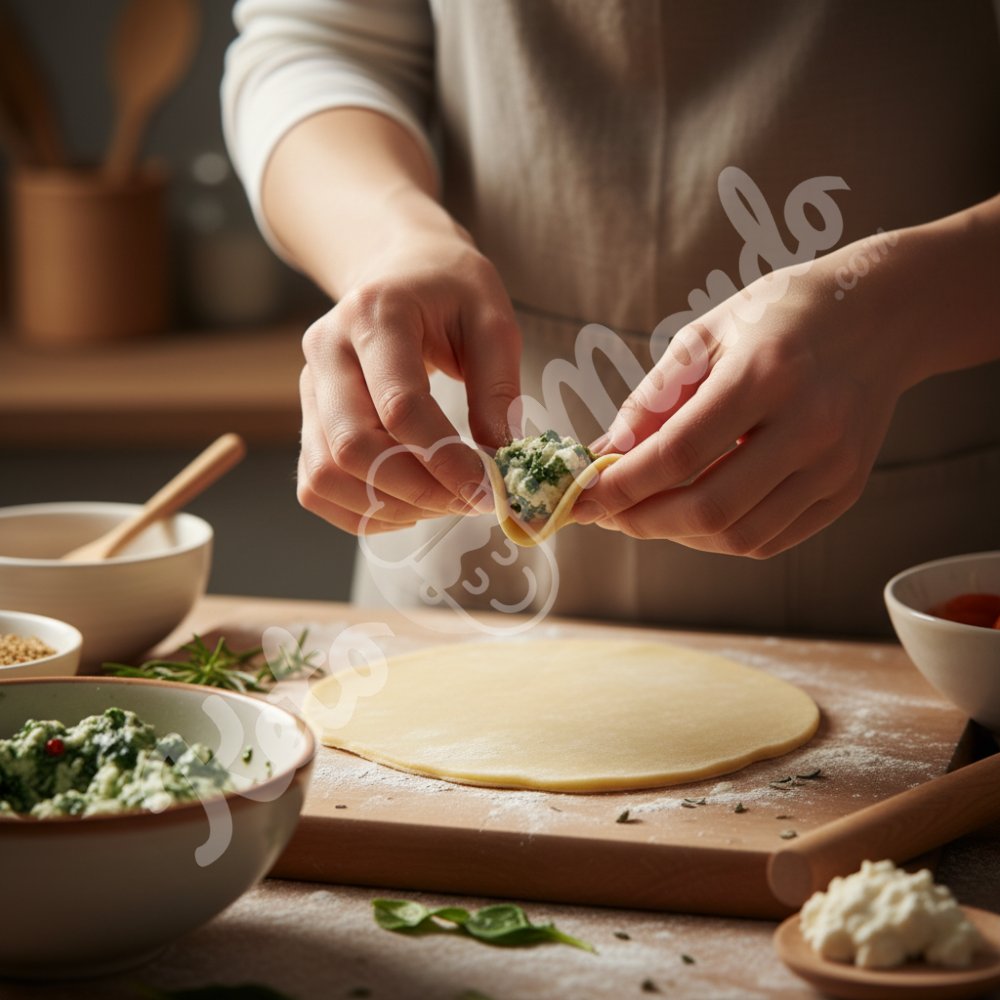
In my culture, cooking is not a discipline that one studies in textbooks or learns through rigid measurements. It is a living heritage, a silent conversation passed from mother to daughter, from aunt to niece, amid the vapors of cardamom and the crackle of ghee. I have no memories of formal cooking 'lessons'. My memories are made up of times spent sitting on the kitchen floor, watching my mother's hands. His hands weighed nothing, they felt everything. They knew, by simple touch, if a dough was ready, if a meat was tender enough or if a mixture of spices had reached its fullness. This learning by imprinting taught me that food is above all a question of presence and attention.
This feminine transmission carries within it a wisdom that words struggle to capture. It’s a visceral understanding of balance. My mother never talked about 'protein' or 'carbohydrates', but she instinctively knew how to put together a plate that would provide strength without weighing down the mind. She taught me that cooking is an act of responsibility: you don't just feed the palate, you support the lives of those you love. Every gesture, from the meticulous washing of vegetables to the precise dosing of salt, was imbued with this intention. By rediscovering the principles of low-carb eating today, I realize that I am only putting scientific names on truths that the women of my lineage have always practiced.
Dosage as an extension of the soul
The most sacred moment in preparing a dish is that of measuring the spices. My mother used her fingers as precision instruments. A pinch of this, a handful of that... To an outside observer, it might have seemed random, but it was actually extremely fine. She adjusted the mixture according to the humidity of the air, the season, and even the mood of the family. This intuitive dosage is a language. It expresses a deep knowledge of ingredients and their impact on the body. The spices are not there to decorate; they are there to direct the energy of the meal. Turmeric to protect, ginger to awaken, cumin to soothe.
This approach taught me to trust my own senses rather than external rules. In a low-carbohydrate diet, this intuition is essential. You learn to listen to your body's signals, to adjust fats and aromatics to find your own point of balance. My mother often said that the taste of a dish changes depending on who prepares it, because you put a part of yourself into it. It is this human dimension, this 'barakat' (blessing), which transforms a simple meal into a source of healing. By transmitting these gestures, we transmit much more than flavors; we transmit a way of being to the world, anchored in respect and gratitude.
Observation of the body as a compass
Another fundamental lesson of this feminine transmission is the constant observation of the effect of food on the body. After the meal, my mother didn't just ask if it was good. She observed our faces, our energy level, our digestion. She knew that if we were lethargic or irritable, the balance was not perfect. This attention to metabolic details, long before the term existed, was his compass. She adjusted subsequent meals accordingly, increasing green vegetables or reducing denser items. It was a form of preventative, gentle and daily medicine.
Today, I realize how much this education prepared me to understand the principles of low-carb. We are taught to pay attention to our blood sugar, our mental clarity, our satiety. These are the exact same indicators that my mother monitored. She taught me that the body never lies. If a food does us good, it leaves us alert and serene. If it harms us, it steals our energy. By returning to this attentive listening, we regain power over our health. We cease to be passive consumers and once again become guardians of our own well-being, faithful to the heritage of vigilance and care that we have received.
The wisdom of cycles and seasons
The cuisine of Pakistani women is also a cuisine of cycles. My mother changed her menus not only with the seasons, but also according to the specific needs of each member of the family. She knew which spices to favor during cold periods, or which foods to favor to support women during their menstrual cycle. This understanding of the fluidity of bodily needs is immensely rich. It reminds us that we are not static machines, but living beings in constant evolution. Food should be as flexible and nuanced as life itself.
In my current practice, I integrate this notion of cycle. A low-carb diet doesn't have to be a rigid prison. It must adapt to circumstances, to the energy needs of the moment, to the signals sent to us by our environment. In winter, I favor long cooking times and dense fats which warm the body. In summer, I turn to the freshness of herbs and the acidity of citrus to boost the metabolism without overwhelming it. It is this adaptive intelligence, inherited from my mother, that makes this way of life sustainable and joyful. We don't fight against nature, we dance with it.
True luxury
Finally, what I remember above all from this transmission is that health should never be synonymous with restriction or sadness. In my mother's kitchen, generosity was the golden rule. We didn't count the pieces of meat, we didn't measure the ghee sparingly. But this generosity was intelligent. It was directed towards foods that truly nourish. We could be lavish with spices, fresh herbs and good fats, because we knew that they were the guarantors of vitality. True luxury is not eating a lot, it is eating what is best for you, with love and conscience.
This is the message I want to convey today. We can adopt a low-carb diet while remaining deeply generous and hospitable. We can offer magnificent meals, rich in flavors and textures, that honor our guests while respecting their health. It is the perfect synthesis between tradition and modernity. By taking the actions of our mothers, adding current scientific understanding, we are creating a new form of culinary wisdom. A wisdom that nourishes the body, soothes the mind and strengthens the bonds that unite us. Cuisine is our most precious heritage, and it is by sharing it with intelligence and generosity that we give it its full meaning.