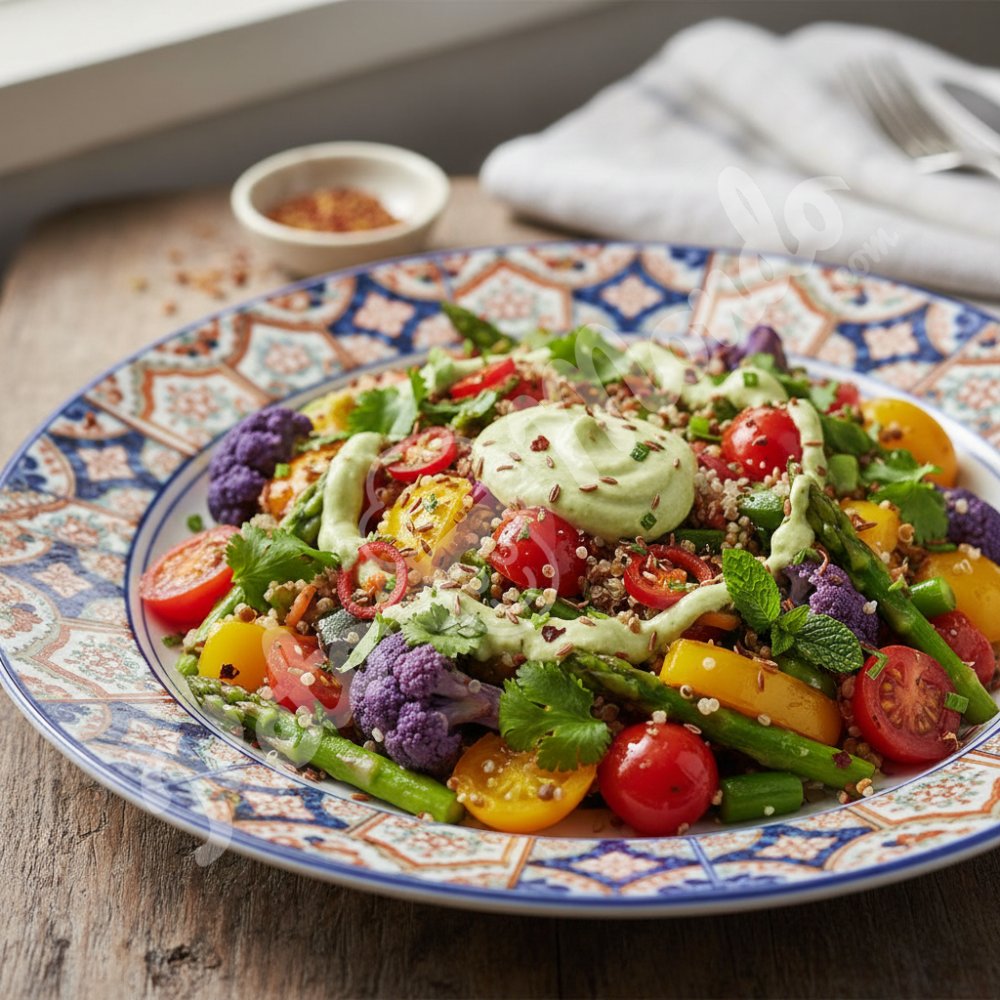

The paradox of warmth and lightness
There is a misconception, particularly tenacious among those unfamiliar with South Asian culinary traditions, that cuisine rich in spices is necessarily 'aggressive' or difficult to digest. We often imagine that the spiciness and the profusion of aromatics will 'inflame' the stomach or create lasting discomfort. However, the reality experienced by generations of Pakistanis is exactly the opposite. For us, spices are not obstacles to digestion; they are the engines. Well-spiced cuisine is cuisine that works in harmony with the body's biology, facilitating the breakdown of nutrients and ensuring smooth assimilation. The secret lies in understanding that the spice is not there to burn, but to awaken.
When I prepare a dish, I don't just think about the final flavor, but how this dish will 'travel' through the digestive system of my guests. Spices act as chemical signals that prepare the body to receive food. They stimulate the production of saliva, gastric juices and bile, creating an optimal environment for processing dense proteins and fats. This is what I call 'paradoxical lightness': a dish can seem rich, creamy and powerful in the mouth, while leaving the stomach perfectly serene and light a few minutes after the end of the meal. This feeling of post-prandial well-being is the signature of a cuisine that respects the laws of digestion.
Spices as enzyme catalysts
From a scientific point of view, what my mother called 'digestive fire' is the activation of enzymes. Spices like ginger, black pepper, cumin, and turmeric contain powerful bioactive compounds—like gingerol, piperine, or curcumin—that increase the activity of pancreatic enzymes. This means the body requires less effort to break down complex foods. In a low-carb diet, where we eat more fat and protein, this enzyme support is crucial. Spices help transform these dense nutrients into available energy without creating the fatigue often associated with laborious digestion.
Take the example of coriander or fennel, often used at the end of cooking or as a finishing touch. These spices have carminative properties, which means they help prevent bloating and gas. They soothe the walls of the intestine and promote regular transit. By integrating these elements strategically into our recipes, we create a synergy where each ingredient supports the other. Pakistani cuisine is not a random accumulation of flavors; it is a culinary pharmacopoeia where the pleasure of taste is inseparable from the comfort of the body. Learning to use spices means learning to heal your metabolism through indulgence.
The art of dosage and thermal balance
The digestibility of a spicy dish depends entirely on the art of dosage and what we call thermal balance. In ancestral wisdom, each spice has a 'nature' — hot, cold or neutral. A good cook knows how to balance these energies. If you're using very 'hot' spices like red chilli or cloves, you need to temper them with more 'cold' things like green cardamom or yoghurt (or creamy vegetable alternatives). It is this balance that prevents irritation and promotes peaceful digestion. Spicy should never be gratuitous aggression; it must be a heat that circulates and stimulates vitality.
Additionally, the way spices are cooked radically changes their digestive impact. Raw spices can be difficult for some stomachs to process. This is why we practice 'bhuna' — the art of frying spices in fat until they release their essential oils and their structure is transformed. This cooking process makes the aromatic compounds more stable and easier to assimilate. A well-cooked spice is one that has lost its aggressiveness, retaining only its beneficial strength. It is this transformation through fire and fat that makes Pakistani cuisine so unique and so respectful of our physiology.
Gut comfort and mental clarity
There is a direct link between the comfort of our digestive system and the clarity of our mind. A stomach fighting against unsuitable or poorly prepared food takes up a large part of our vital energy, leaving us in a state of mental fog. Conversely, a spicy meal that is easily digested releases this energy for our higher functions. This is one of the most immediate benefits of a low-carb diet rich in aromatics: you feel alert, focused and serene after eating. Spices act as agents of clarity, not only for the palate, but for our entire consciousness.
By eliminating inflammatory carbohydrates and replacing them with plants and proteins enhanced by spices, we offer our intestine a well-deserved respite. Spices also have antibacterial and antifungal properties that help maintain a healthy microbiome. They act as natural regulators, preventing the proliferation of unwanted bacteria which often feed on sugar. Thus, spicy cuisine becomes a tool for managing our internal ecosystem. The comfort we feel is not an illusion; it is the result of a balanced and functional intestinal environment.
An invitation to rediscovery
I often encourage those who are afraid of spices to start slowly, but with intention. Don't see spices as 'risks', but as allies. Get to know each of them, its scent, its warmth, its effect on your body. Start with gentle mixtures, favor the freshness of whole seeds that you crush yourself. You will quickly discover that your body craves this stimulation. Flat food will begin to seem not only boring, but also harder to digest, because it lacks those natural catalysts that make the meal come alive.
Pakistani cuisine, at its purest and most low-carb, is a celebration of life. It proves to us that we can eat with incredible intensity while respecting the fragility and complexity of our biology. It's a kitchen that never weighs, that never tires. It carries us, warms us and nourishes us at all levels. By bringing these principles into our daily lives, we are not only changing our diet; we change our relationship with ourselves. We learn that pleasure and health are not enemies, but two sides of the same coin, united by the subtle and age-old art of spices.