
When the ancestral meets the modern
When I discovered the principles of the ketogenic diet and low-carb, I didn't feel like I was learning anything new. I had the impression of rediscovering a forgotten language. Looking at metabolic patterns and lists of recommended foods, I saw again my grandmother's cooking in her village in Ghana. She didn't know the word 'ketosis', but she knew that strength came from bush meat, dried fish, fresh eggs and mountains of green leaves picked that morning. Starch — yam, cassava or rice — was only a guest at his table, never the master of the house. This convergence between ancestral African wisdom and the most cutting-edge nutritional science is a major revelation for me.
This awareness was the starting point of my approach to 'nutritional decolonization'. For too long we have accepted the idea that African cuisine is inherently heavy and high in carbohydrates. This is an erroneous reading, imposed by modernization which has favored cheap calories to the detriment of nutritional density. By going back to basics, we realize that our culinary heritage is naturally aligned with the needs of our biology. We do not adapt our cuisine to a Western fashion; we are demanding a truth that has always belonged to us. It is an act of cultural reappropriation as much as public health.
The nutritional transition trap
The history of food in West Africa is marked by a brutal rupture. Before the mass introduction of refined grains and industrial sugars, our diets were based on an incredible diversity of non-starchy plants, healthy fats and animal proteins. The 'Green Revolution' and rampant urbanization have upset this balance. Imported white rice and wheat flour became symbols of social success, replacing leafy stews and bone broths. The result is tragic: an explosion of metabolic diseases, diabetes and sugar obsession in populations that were once protected from it.
Today we are at a crossroads. Continue on this path of addiction to processed carbohydrates or choose to return to a food structure that respects us. The contemporary low-carb framework offers us the intellectual tools to make this return. It helps us understand why daily jollof rice makes us tired and why fish stew with spinach makes us strong. By analyzing our past through the eyes of modern science, we can sort what is essential from what is superfluous. It is a necessary reconciliation to ensure the future of our continent.
Science as validation of intuition
What I appreciate most about the low-carb movement is that it restores the nobility of the intuition of our elders. My grandmother used bitter herbs to 'cleanse the blood'; science now tells us that these bitter compounds improve insulin sensitivity and support the liver. She favored fermented foods like Dawadawa; we now know that they are essential to the health of our microbiota. Each traditional gesture, each choice of ingredient had an organic reason for being. Science only puts words to a reality that we experience in our flesh.
This scientific validation is a shield against critics who would like to make our cuisine seem archaic. No, eating organ meats, animal fats and wild vegetables is not a sign of poverty; it is a sign of superior nutritional intelligence. As a chef, I rely on this data to build my menus. I know that every dish I serve is a health prescription. This certainty gives me unshakeable confidence. I am not a rebel who seeks to shock; I am a translator who makes ancient wisdom accessible to the modern world.
A political act
Eating low-carb in Africa is also an act of sovereignty. By reducing our dependence on imported wheat and rice, we add value to our own resources. Fonio (in moderate quantities), local leafy vegetables, artisanal pressed oils, fish from our coasts... these are our true riches. Choosing these foods means supporting our farmers and fishermen, and keeping our money within our communities. It is a form of resistance against a globalized food system that seeks to standardize us from below.
Health is the basis of all freedom. A population that is sick, tired and dependent on medications is a vulnerable population. By taking back control of our plate, we take back control of our destiny. Low-carb African cuisine is a tool for emancipation. It allows us to stay upright, with a clear mind and a vigorous body. It's a silent revolution that starts in the kitchen and spreads throughout society. Each meal without sugar and unnecessary starch is a small victory for our autonomy.
Making tradition 'cool'
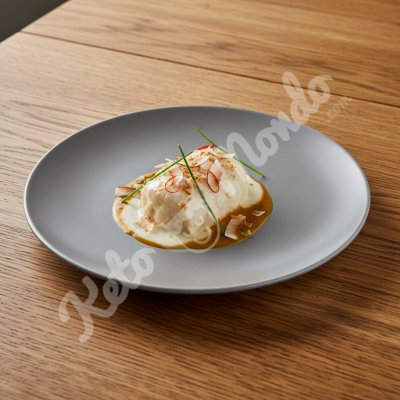
My biggest challenge is to convince African youth that the food of their ancestors is more modern than fast food. For this, I work on aesthetics, on training, on communication. I want to show that you can eat 'Egusi Soup' in an elegant setting, that it is a gourmet dish, not just a village dish. Low-carb is a great vehicle for this, as it is associated with performance, beauty and success around the world. By linking these values to our heritage, we create a new pride.
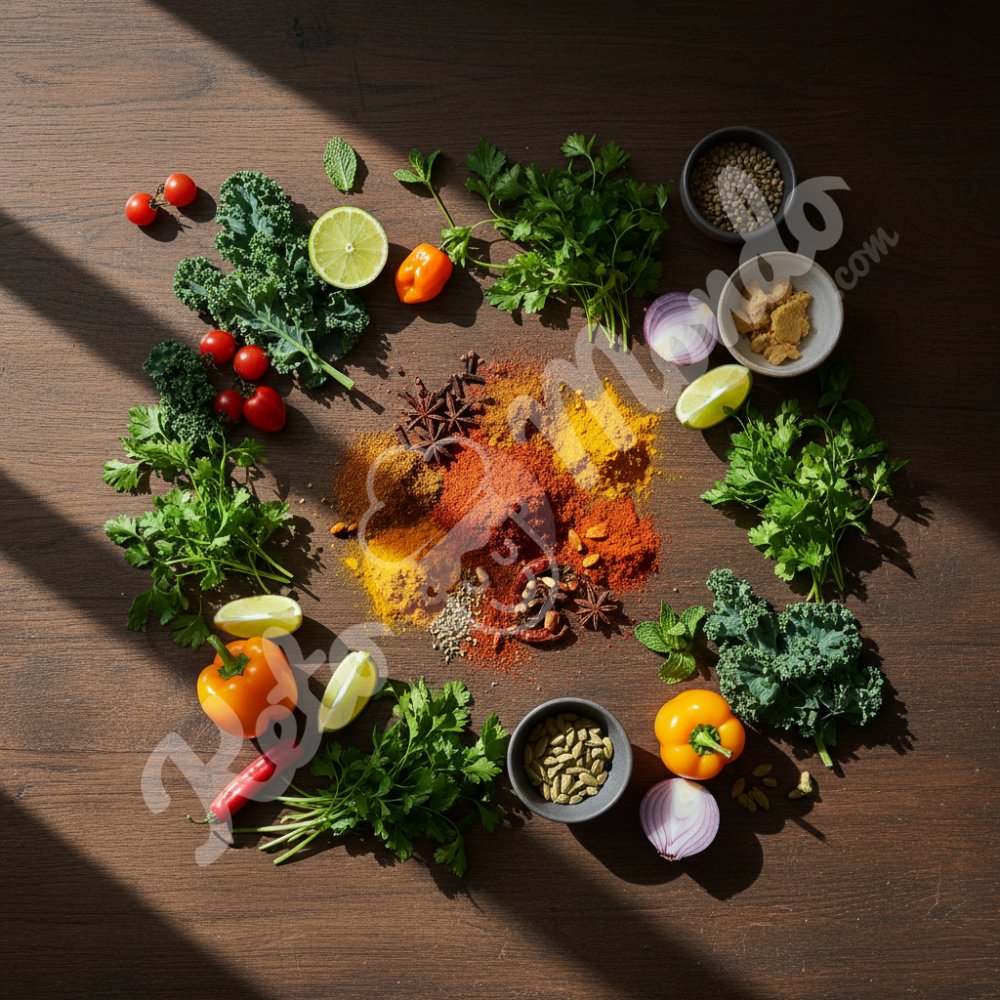
I see more and more young people becoming interested in their culinary roots, not out of nostalgia, but out of conscious choice. They want to understand what they eat, they want to feel good in their body. My kitchen offers them this answer. It is vibrant, colorful, spicy and terribly effective. It’s a living cuisine that makes no apologies for being what it is. By showing that we can honor the past while being at the cutting edge of modernity, we are charting a path for a proud, healthy and radiant Africa.
A kitchen of reconciliation
African cuisine and contemporary low-carb are not two separate worlds. They are two sides of the same coin: that of respect for human biology. By merging them, we create a gastronomy of incredible power. It is a cuisine that nourishes the soul with its flavors and the body with its nutrients. This is my mission, my passion and my contribution to the world. I will continue to cook with this conviction, showing that the future of Africa may lie in the rediscovery of what it has always known. The table is set, and it is magnificent.