
Weight is not value
In our West African cultures, generosity is the cardinal virtue. Receiving a guest means offering them the best of what you have, and often much more. But over the decades, confusion has set in: we have begun to confuse generosity with quantity, and value with weight. Serving a mountain of rice or a massive dome of fufu has become the symbol of a prosperous table. We are afraid that the guest will leave feeling hungry, so we 'fill' it up as a precaution. This approach, although well intentioned, is a trap. It reduces the act of feeding to a simple gastric filling exercise, to the detriment of nutritional quality and metabolic well-being.
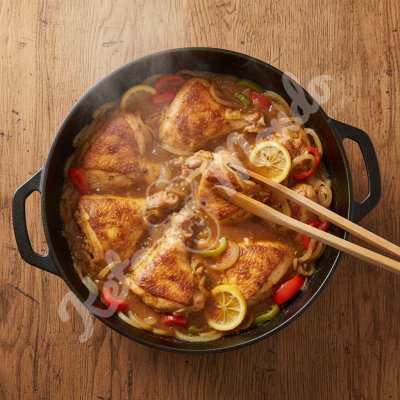
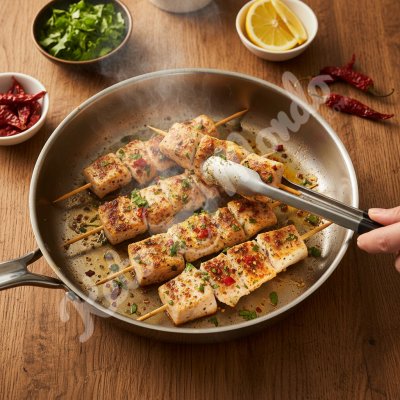
As a chef, I had to deconstruct this idea. I have had to teach my customers, and sometimes my own family, that a generous table is not a heavy table. True generosity is offering a diversity of flavors, a wealth of nutrients and a sensory experience that elevates the spirit without overwhelming the body. Serving three different types of stews, herb-grilled fish and a variety of crunchy vegetables is a far greater act of generosity than serving a single, starchy dish. It is a transition from quantity to quality, from volume to value.
The luxury of variety
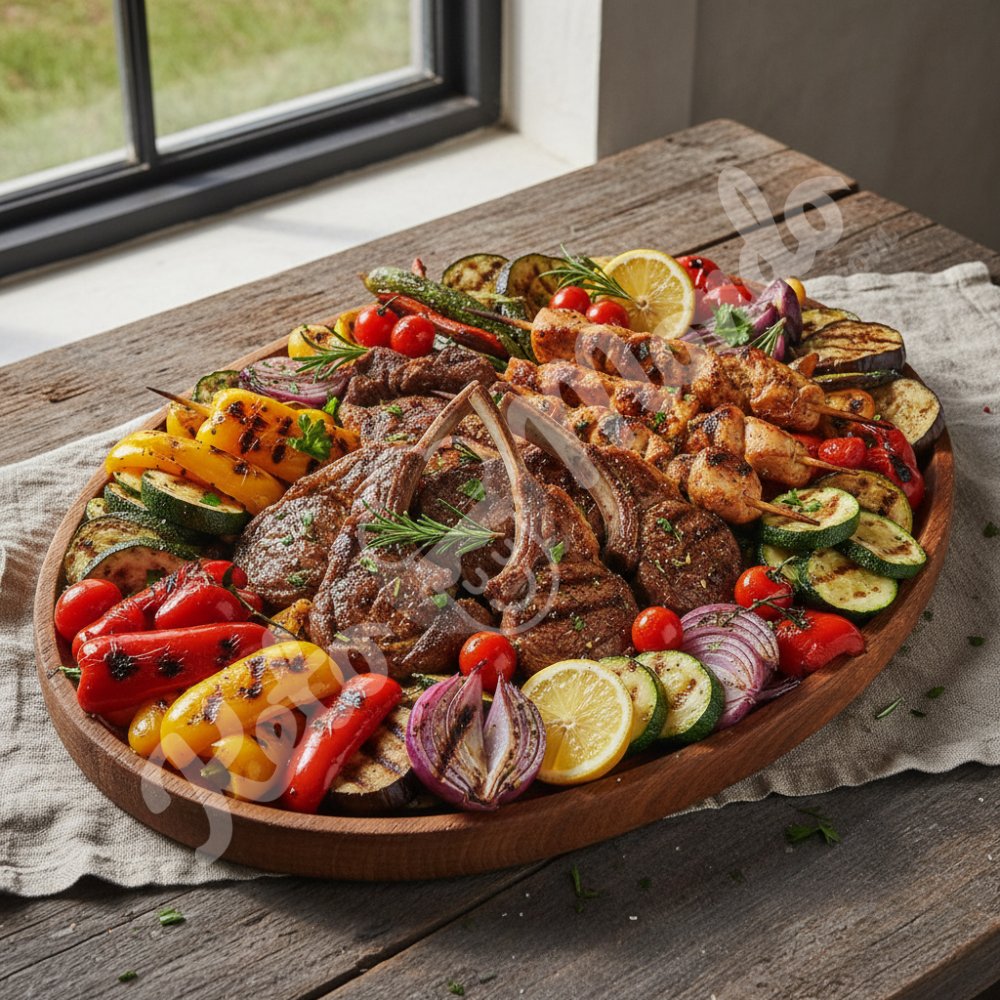
For me, abundance today is measured by the palette of colors and textures on the table. Imagine a feast featuring creamy Okra (okra) stew, ginger-braised fish, heirloom tomato salad with red onions, garlic-sautéed spinach and roasted cashews. This is the new African generosity. Each dish is an invitation to discovery. We never tire of it, because each bite is different. This variety creates immense psychological satisfaction. The brain, stimulated by so many nuances, sends satiety signals long before the stomach is distended. This is the elegance of measure.
This approach also allows us to highlight products that are often overlooked. Garden eggs (African eggplant), wild mushrooms, pumpkin seeds... these ingredients provide a richness of taste and texture that makes starch completely unnecessary. By multiplying the small dishes, we create a dynamic of sharing, curiosity and pleasure. We no longer eat to 'finish our plate', we eat to explore a region. It is a form of respect towards the products and towards those who grew them. Generosity then becomes a dialogue between the earth and the palate.
Metabolic freedom
It is crucial to distinguish abundance from glycemic load. A table can be overflowing with food while remaining perfectly light for the metabolism. It’s all the art of low-carb cooking applied to our traditions. By replacing starchy foods with plant-based alternatives – such as 'swallows' made from cabbage or bamboo fibres, or simply by increasing the proportion of green vegetables – we preserve the visual and ritual aspect of the meal while eliminating the 'coma' which usually follows large feasts. It’s a gift we give to our guests: the gift of energy.
Nothing is sadder than seeing a party die out because everyone is too heavy to move or chat. By serving meals that are dense in nutrients but low in sugar, we maintain the flame of conviviality. People stay alert, happy, connected. The table becomes again what it should always have been: a place of exchange and life, not a place of lethargy. This metabolic freedom is the true modern luxury. It is the ability to celebrate without hurting oneself, to share without exhausting oneself. It is a new form of African wisdom.
Cooking for life
In our families, food is the language of love. A mother who serves a generous portion says to her child: 'I'll take care of you.' But today, taking care of someone also means protecting them from the diseases of civilization. Love does not require a blood sugar overload. On the contrary, love requires that we be attentive to the health of those we feed. Serving a balanced meal, rich in good fats and proteins, means investing in the longevity of your loved ones. It is an act of protection.
I often explain to my aunts and cousins that reducing the rice is not a lack of respect, it is a show of affection. It's about wanting our elders to maintain their mobility, for our children to have a clear mind at school, for us all to have the strength to build our future. This vision of cooking as preventive medicine is deeply anchored in our roots, before sugar comes to confuse everything. By cooking in this way, we are reconnecting with a tradition of care and kindness. Love is tasted in the correctness of the seasoning and the quality of the product, not in the quantity of glucose.
The table as a place of vibrant connection
The African table is a sacred space for community creation. This is where stories are told, conflicts are resolved, connections are made. For this connection to be vibrant, the bodies must be arranged. A diet low in carbohydrates promotes this presence. We don't endure our meal, we live it. Digestive lightness allows for fluidity of speech and acuity of listening. We are fully there, with others, in the present moment.
This new aesthetic of the table, where variety replaces mass, is also an invitation to slowness. We take the time to taste each sauce, to comment on each spice. The meal becomes an intellectual and sensory journey. It's a way of paying homage to our culture by showing it in its most refined and intelligent light. Generosity without glycemic overload is ultimately the purest form of hospitality: it offers pleasure without the price to pay, satiety without fatigue, and abundance without excess. This is my vision of the Ghanaian cuisine of tomorrow: a cuisine that nourishes the soul, respects the body and celebrates life with infinite elegance.