
The biological reality of our ancestors
Today we are obsessed with labels: 'keto', 'paleo', 'low-carb', 'intermittent fasting'. We need these words to navigate the modern nutritional chaos. But in Africa, before these terms existed, there was simply life. No one counted macronutrients in my ancestors' villages. No one worried about his insulin levels. We ate what nature offered, according to the seasons, and we cooked with the purest element there is: fire. This biological reality, which modern science is today trying to codify, was our natural state. We lived in perfect metabolic balance, not by ideological choice, but by necessity and observation.
Our ancestors were naturally in ketosis for much of the year, alternating between periods of abundant protein and fat and periods of involuntary fasting. Their body was a flexible machine, capable of drawing energy from any available source. The diseases of civilization—diabetes, hypertension, obesity—were virtually unknown. This was not because they were following a 'diet', but because they had not yet been exposed to the poisons of modernity: refined sugars, white flours and industrial vegetable oils. By returning to a low-carbohydrate diet, we are not breaking new ground; we are doing a restoration.
The purity of the flame
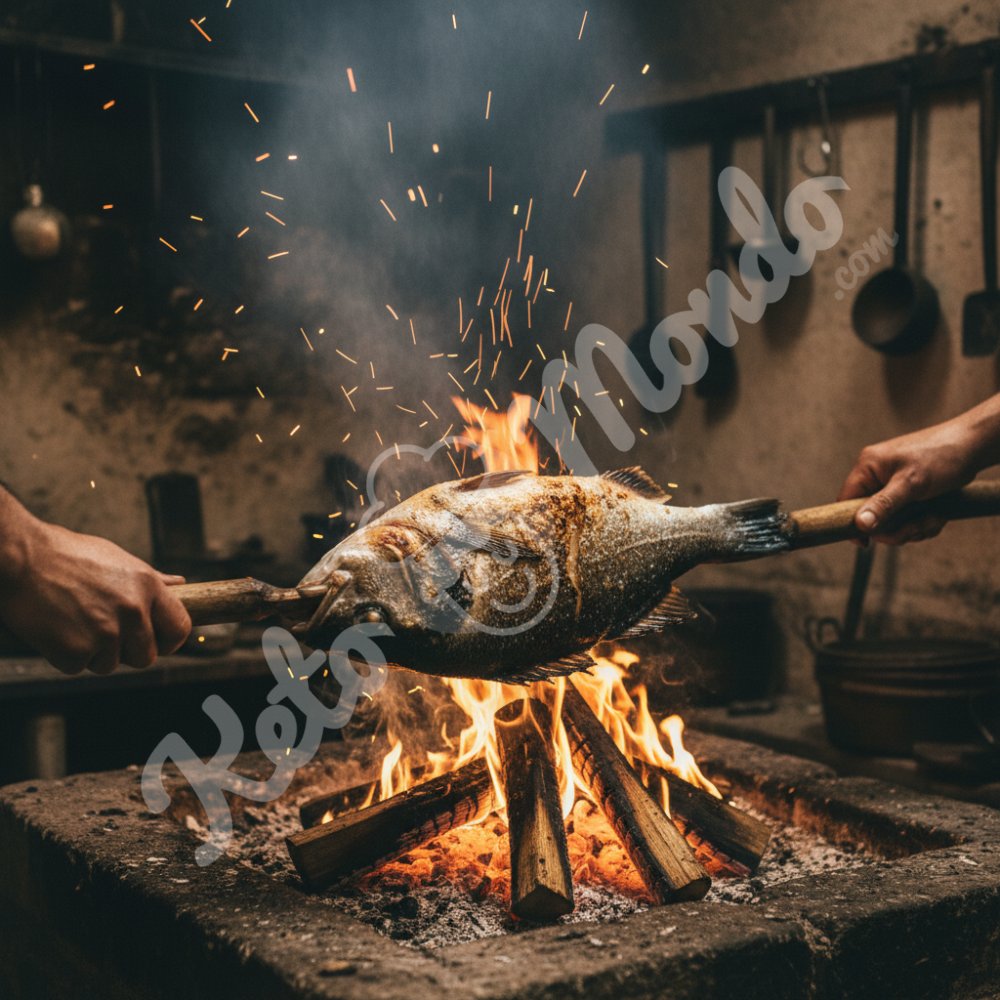
Fire is humanity's first cook. It imposes a discipline that modern kitchens tend to forget. On a wood or charcoal fire, you can't cheat. We grill, we roast, we braise. These cooking methods are inherently healthy. They don't require flour coatings, bread crumbs or sweet sauces to be tasty. Fire enhances the natural taste of meat, fish and vegetables. It brings that smoky note, that primitive Maillard reaction that satisfies our deepest instincts. Fire is a tool of purification: it eliminates the superfluous to keep only the essence.
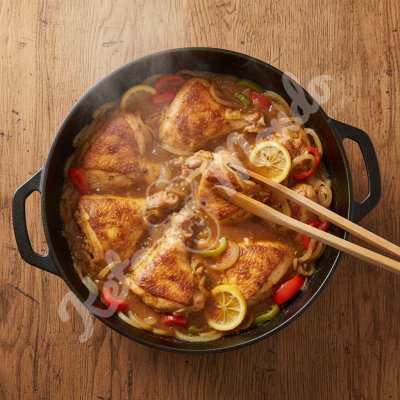
In my kitchen, I seek to rediscover this honesty of the flame. When I prepare braised chicken or grilled fish, I let the fire do its work. I don't need any artificial thickeners or flavor enhancers. The intense heat and smoke create an aromatic complexity that stands on its own. It’s a lesson in simplicity. Fire teaches us that the quality of the ingredient and the accuracy of the cooking are the only real secrets of gastronomy. By moving away from the fire towards more 'sophisticated' cooking methods, we have often lost contact with the nutritional reality of our food.
Observation as a science
My grandmother never read a scientific study on blood sugar, but she was an expert in metabolic observation. She knew which foods gave strength for field work and which foods made children restless or tired. She favored animal fats and homemade oils because she saw that they ensured lasting satiety. She used bitter herbs and powerful spices because she understood their role in digestion and vitality. It was a science of experience, passed down from generation to generation, without the need for complex nomenclature.
This wisdom without intention is what guides me today. I don't cook keto to follow a trend; I cook this way because I see the results on my own body and that of my clients. I see clarity of mind returning, energy stabilizing, inflammatory pain disappearing. It’s validation by life. By honoring my grandmother's methods, I reconnect with a lineage of women who knew how to nourish the world with intelligence and love. They didn't need meal plans; they had common sense and respect for nature.
Decolonize the plate
Adopting a low-carb diet in Africa is often perceived as a Western influence. It's quite the opposite. It is an act of mental decolonization. It means rejecting the products that have been imposed on us by global trade — wheat, sugar, soybean oils — to return to our own roots. Our ancestors did not eat white bread or polished rice with every meal. They ate local roots in moderate quantities, leafy vegetables in abundance and quality proteins. By returning to this pattern, we are not breaking with our culture; we restore it to its purest form.
This continuity is a source of immense pride. It allows us to say that our heritage is not only delicious, but also the solution to modern health problems. We don't need to look elsewhere for answers; they are already there, in our traditions, in our markets, in our village kitchens. You just have to look at them with a new eye, freed from the prejudices of modernity. Low-carb African cuisine is a cuisine of resistance and celebration. It states that we know what is good for us, because we have always known it.
Beyond nutrition
Finally, fire has a spiritual and social dimension that modern regimes completely ignore. Around the fire, we tell stories, we sing, we create connections. This 'social food' is just as important as the nutrients on the plate. A meal shared in joy and serenity is digested better than a meal eaten in stress and solitude. Fire creates an atmosphere of security and wholeness. By bringing the spirit of fire into my contemporary kitchen, I seek to recreate this space of connection.
Health is not just about macros and micros; it’s a matter of overall balance. Food that respects our biology, prepared with love and shared convivially, is the ultimate remedy. Before regimes, there was fire, and with fire, there was community. It is this whole that I want to transmit. By eating like our ancestors, we not only heal our bodies; we nourish our soul and we strengthen the bonds that unite us. The fire always burns within us, we just need to give it the right fuel so that it shines brightly.