
The hidden treasures of our gardens
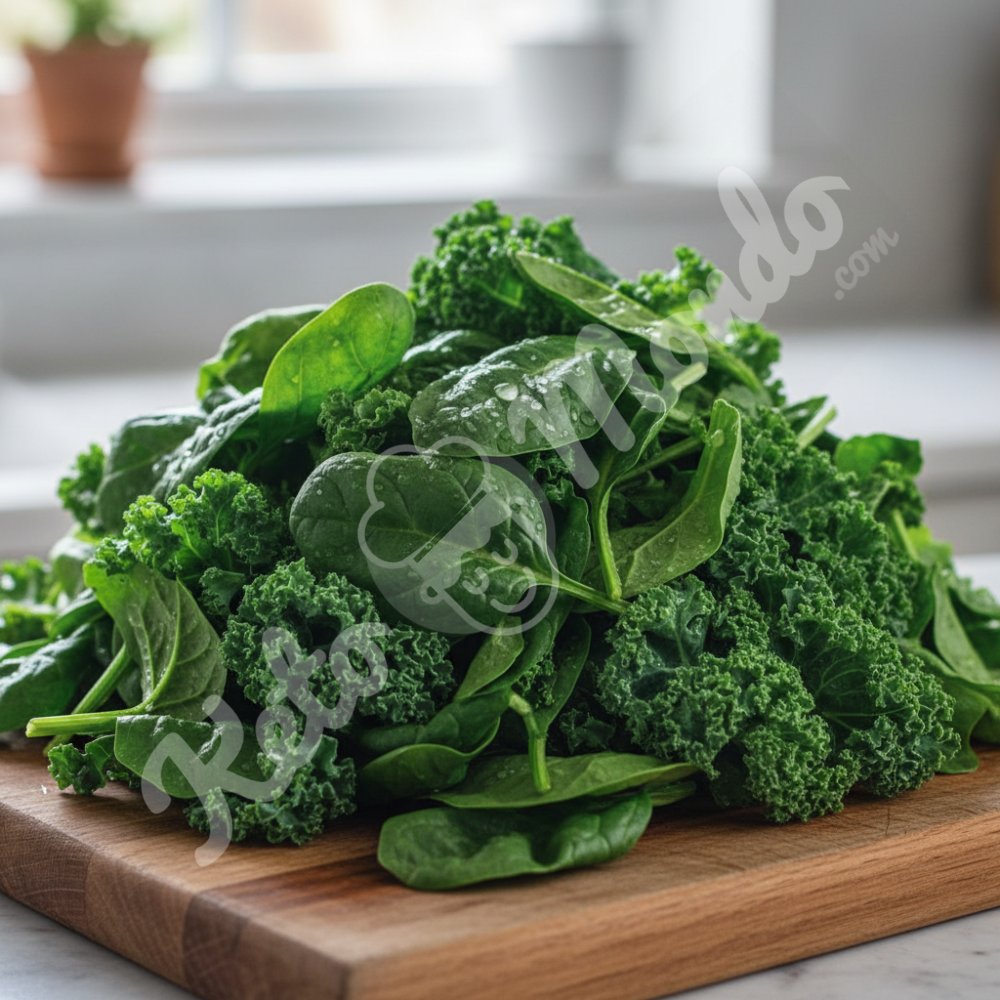
In West Africa, leafy greens are not simple side dishes or decorative garnishes. They are the true protagonists of our table, the guardians of our vitality. From amaranth (Aleefu) to African kale, including taro leaves (Kontomire), cassava leaves and bitter leaf, our biodiversity offers a palette of greens of incredible richness. These plants, which are often found in the wild or in small family gardens, are concentrates of life. They carry within them the strength of the sun and the wealth of the earth. In my kitchen, I treat them with the respect due to noble ingredients, because I know that they are the foundation of robust health and serene digestion.
For too long, with urbanization, we have neglected these leaves in favor of imported vegetables or refined starches. We began to see 'greens' as village food, poor people's food. What a mistake! These leaves are our true superfoods. They are dense, vibrant and incredibly versatile. By putting them back in the center of the plate, we are not only making a gastronomic choice; we are returning to the sources of our biological power. A well-prepared leafy stew is a celebration of texture and taste, capable of satisfying the most discerning palates while providing a lightness that starch can never match.
The alchemy of fat and green
Our mothers' wisdom in the kitchen is fascinating. They always knew that to get the best from leafy vegetables, they had to be combined with fat and time. We do not eat the raw leaves in salads; they are gently braised with red palm oil, onions, garlic, ginger and often a little smoked fish or dried shrimp for umami. This cooking method is no accident. The vitamins A, K and E present in abundance in these leaves are fat-soluble. Without the presence of healthy fats, your body simply cannot absorb them. So the sauce isn't just there for taste; it is the essential vehicle of nutrition.
This slow cooking also helps break down tough fibers and neutralize certain antinutrients, making the leaves extremely digestible. Unlike raw vegetables which can sometimes irritate the intestine, our leafy stews are a caress for the digestive system. They provide the fibers necessary for transit without creating bloating. It's a perfect alchemy: the fat provides satiety and absorption, the spices stimulate enzymes, and the leaves provide structure and micronutrients. By respecting these ancestral techniques, we create food that heals as much as it delights.
The tonic of the earth
African leafy vegetables are veritable mineral gold mines. They are exceptionally rich in iron, magnesium, calcium and potassium. For an active woman like me, or anyone leading an intense life, this mineral density is the secret to inexhaustible energy. Magnesium helps with muscle relaxation and stress management, iron supports blood oxygenation, and potassium regulates blood pressure. When you eat a generous serving of Kontomire, you're not just consuming calories; you take a natural tonic which revitalizes your body in depth.
I have noticed a distinct difference in my mental clarity and physical stamina since I made leaves the basis of my diet. There is no 'crash' after a meal of leafy greens. The energy is stable, constant, almost vibrating. It's a feeling of strength that comes from within. In a low-carb setting, where we seek to optimize mitochondrial functioning, these plants are essential. They provide the cofactors necessary for the production of energy from fat. They are the spark that allows lipid fuel to burn cleanly and efficiently.
The pleasure of abundance
One of the great benefits of leafy greens is that they allow you to eat in volume without overloading the system. In our cultures, we like full plates, we like to feel that we have eaten our fill. The leaves provide this visual and physical satisfaction. You can fill your bowl with a stew of spinach and okra pods, and enjoy it with relish. Satiety arrives through chewing and through the action of fibers, creating a feeling of 'clean' fullness. You feel full, but light. We don't have that feeling of pasty heaviness that rice or fufu leaves.
This guilt-free abundance is liberating. It allows us to maintain the pleasure of the African table – this moment of sharing and generosity – while respecting contemporary health objectives. I often serve my leafy stews with grilled proteins or poached eggs directly in the sauce. It is a complete, balanced and deeply satisfying meal. We are rediscovering that satiety is not a question of weight in the stomach, but a question of hormonal and nutritional response. The leaves, through their richness, send the right signals to the brain.
The modernity of the old
By putting leafy vegetables back at the center of my cooking, I am not innovating for the sake of innovation. I am claiming a heritage that has been unfairly devalued. Our ancestors were masters of applied botany. They knew which leaf to pick for strength, which for digestion, which for clarity of mind. By returning to these plants, we honor their knowledge. We say that our land has everything we need to feed and heal us, without needing to depend on imported and processed products.
The African cuisine of tomorrow will be green. It will be based on this plant intelligence combined with the power of natural fats. It is a cuisine that respects the cycle of the seasons, which supports small farmers and which protects our health. Every time I make a leafy stew, I feel this connection to the generations of women who came before me. I carry their torch, but I light it with today's knowledge. Leafy greens are our past, but above all they are our future. They are the key to a long, healthy and tasty life.