
The rule of Hara Hachi Bu
In Japanese culture, and particularly in Okinawa, we practice 'Hara Hachi Bu', which means eating until the stomach is 80% full. This is a golden rule for longevity and metabolic health. Why 80%? Because there is a physiological lag of about twenty minutes between the time when the stomach is physically full and the time when the brain receives the chemical signal of satiety. If we eat until we feel 'full', we have actually already eaten too much. By stopping a little beforehand, we give our body time to realize that it has received everything it needs.
This practice is greatly facilitated by a diet low in carbohydrates. Sugars and starchy foods tend to confuse satiety signals by causing spikes in insulin and ghrelin. On the contrary, protein and healthy fats stimulate the release of cholecystokinin (CCK) and peptide YY, hormones that signal long-lasting satisfaction. By eating little, but choosing dense foods, we respect the natural economy of our body. We are not looking to fill it like a bag, but to feed it like a precision machine.
Quality versus volume
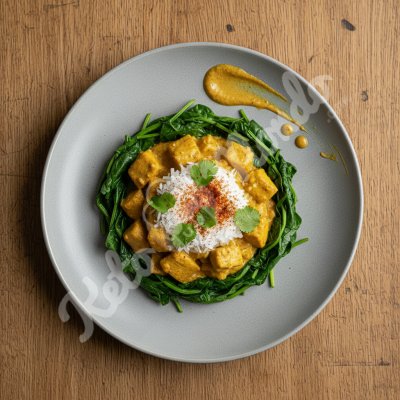
A traditional Japanese plate may seem small to a Westerner accustomed to giant portions. However, it often contains a much higher nutritional density. A small portion of wild salmon, a few slices of fermented tofu, a handful of seaweed and crunchy vegetables provide a phenomenal amount of vitamins, minerals, essential fatty acids and amino acids. It’s quality that takes precedence over volume. The body does not crave empty calories; it demands nutrients. When he receives them, the hunger goes away by itself.
Consider the difference between 500 calories of white bread and 500 calories of sashimi and green vegetables. The bread will cause a spike in blood sugar, a massive release of insulin, and you will be hungry two hours later. The fish and vegetables will nourish your cells, stabilize your energy and leave you feeling full for six hours. It’s precision mathematics. By choosing density, we reduce the workload on our digestive system while maximizing our vitality. This is the secret of Japanese lightness.
The aesthetics of Mamezara
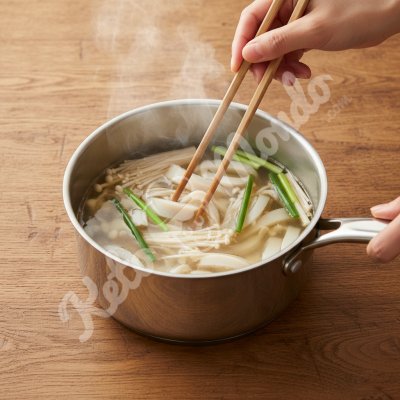
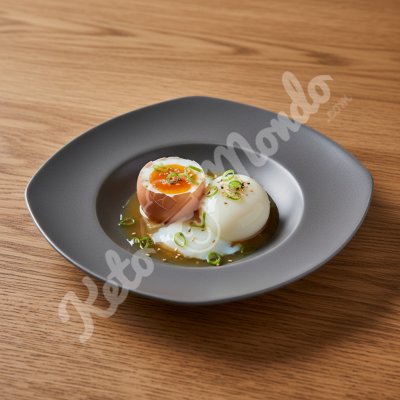
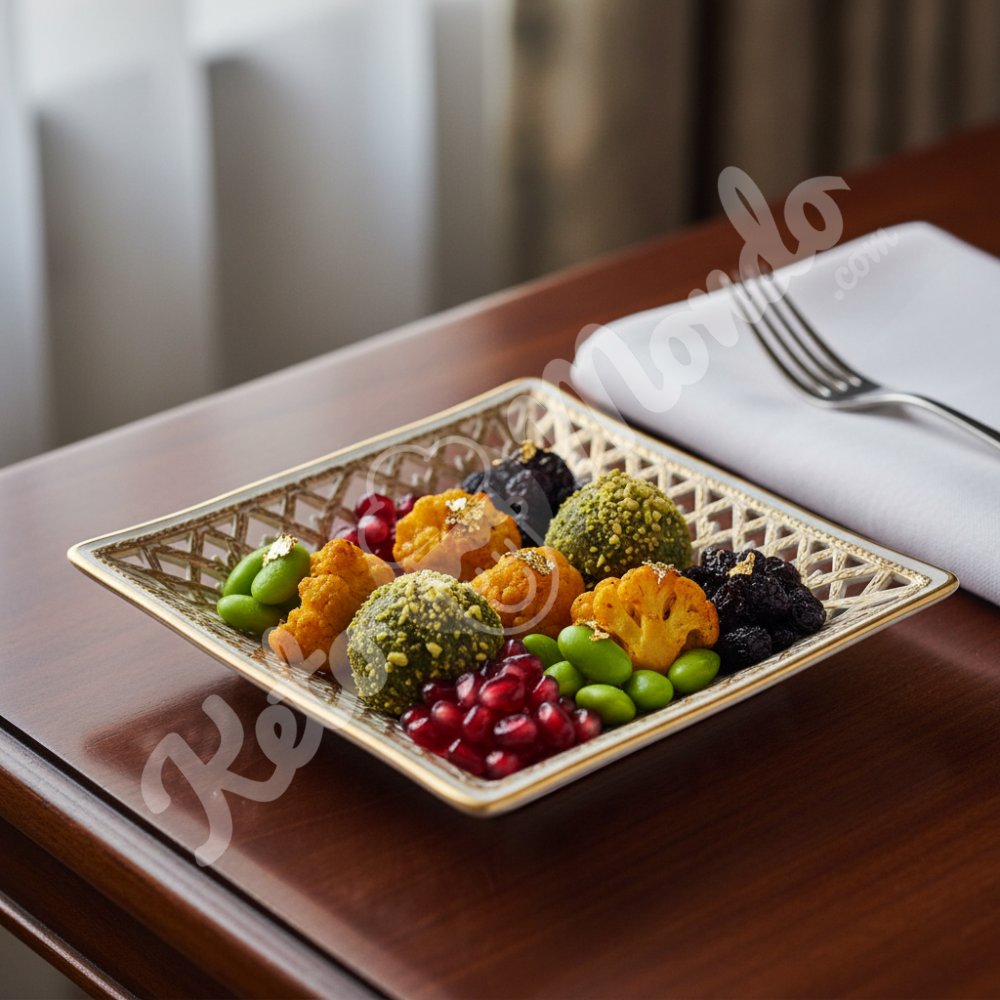
In Japan, we often use 'Mamezara', very small plates of various shapes and colors. Presenting a meal in the form of multiple small dishes creates intense psychological satisfaction. The eye perceives an abundance of choices, textures and colors, which sends a message of completeness to the brain. You don't feel deprived because the portion is small; you feel privileged because every bite is a work of art. This meal aesthetic is a powerful tool for portion management.
The satisfaction of a well-composed small plate is qualitative, not quantitative. It's the difference between listening to a complex symphony and deafening white noise. By varying the sources of umami, acidity and crunch, we stimulate all our senses. The meal becomes a total sensory experience that nourishes the mind as much as the body. When the mind is satisfied with beauty and diversity, it ceases to demand volume. We leave the table with a feeling of elegant fullness, without the heaviness of an overly tense stomach.
The secret to mental clarity
Eating little also means giving our digestive system a deserved rest. Digestion is one of the most energy-intensive processes in the human body. When we overload our stomach, we divert much of our blood and energy to the viscera, which causes the famous post-prandial drowsiness. By eating moderate, highly digestible portions, we maintain our mental clarity and dynamism. We remain alert and productive immediately after eating.
This digestive lightness has long-term effects on health. It reduces oxidative stress and systemic inflammation. A body that is not constantly busy processing excess food can devote its energy to cellular repair and detoxification. It is one of the pillars of Japanese longevity. By eating less, we live more. It's an apparent paradox that hides a profound biological truth: moderate calorie restriction, coupled with high nutrient density, is the most effective fountain of youth there is.
Chewing as meditation
Eating little requires sustained attention. You can't 'gobble up' a small plate of precision without missing the point. We are invited to slow down, to savor each texture, to identify each aroma. Chewing then becomes a form of active meditation. It is often recommended to chew each mouthful thirty times. This not only mechanically grinds food, but also mixes the salivary enzymes that begin digestion. The more you chew, the more flavor you extract, and the more you feel satisfied with a small amount.
This presence in the act of eating transforms our relationship with food. We stop seeing the meal as a chore or a simple filler and see it as a ritual of reconnection. We become aware of the real needs of our body. We learn to distinguish true hunger from emotional craving. This awareness is the ultimate defense against obesity and metabolic disorders. By being present, we discover that we need much less than what advertising or our social habits suggest. Satiety is a state of mind as much as a physical state.
Freedom through sobriety
Eating little, but nourishing, is a path to freedom. Freedom from food addictions, freedom from chronic fatigue, freedom from physical clutter. It is a form of minimalism applied to biology. By purifying our food, we purify our life. We discover that true wealth lies not in accumulation, but in the rightness of what we receive.
I invite you to try this approach. Reduce the size of your plates, increase the quality of your ingredients, and take the time to savor every bite. Listen to your body and stop before you're full. You will discover a new form of vitality, renewed clarity of mind and deep joy in simplicity. The path to health is not in 'more', it is in 'better'. May your table be sober, and may your life be rich.