
The concept of Wa
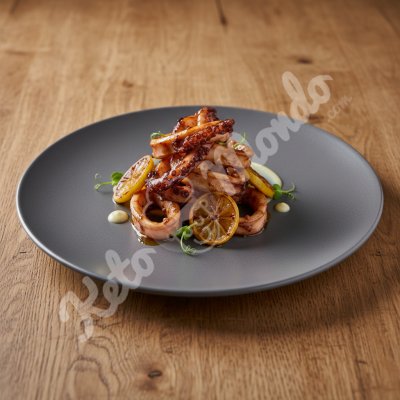
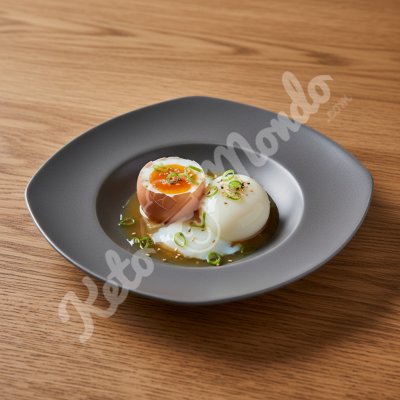
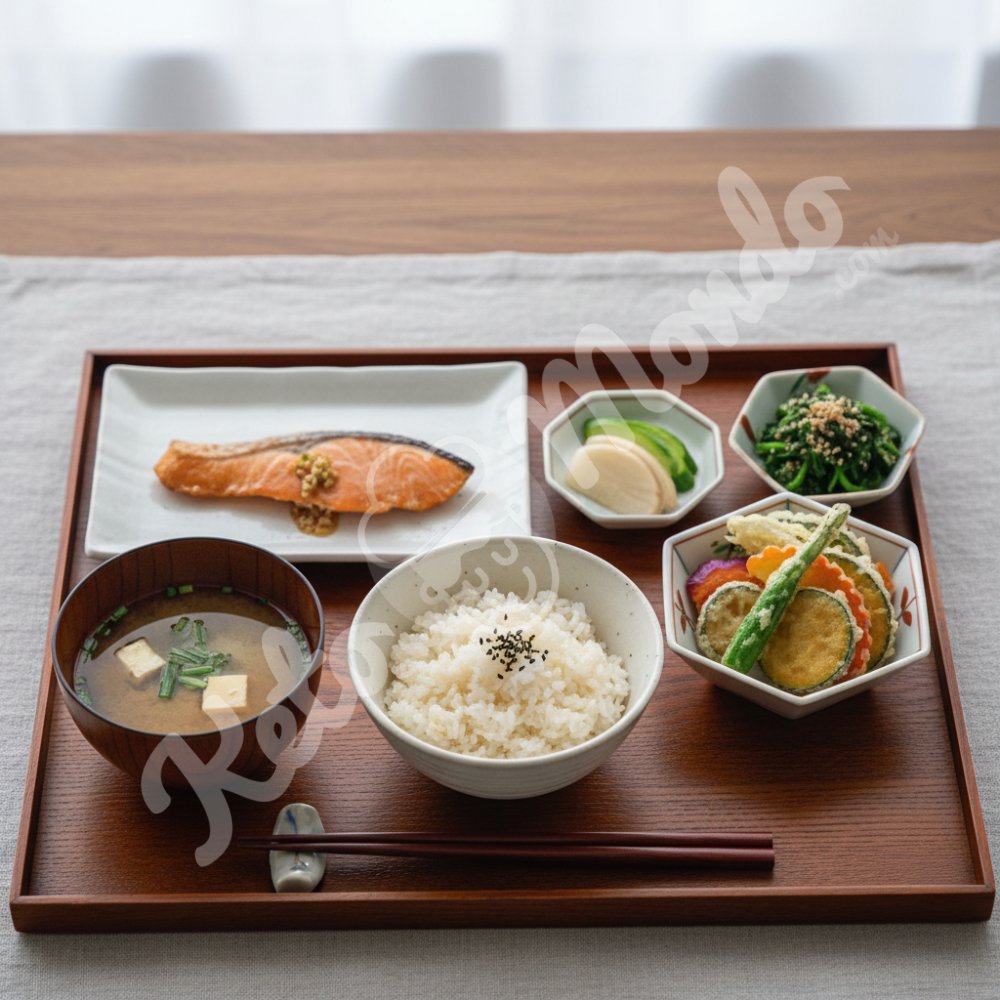
At the heart of Japanese culture lies the concept of 'Wa', which can be translated as harmony or balance. It is not a static state, but a constant search for accuracy. On the plate, Wa manifests itself through the balance of the five colors (red, yellow, green, black, white), the five tastes (sweet, salty, sour, bitter, umami) and the five preparation techniques (raw, grilled, simmered, steamed, fried). Each element must have its place, without dominating the others. It is a miniature of the harmonious universe where each force, whether Yin or Yang, contributes to the completeness of the whole.
In my culinary practice, this balance is my compass. When I prepare a low-carb meal, I'm not looking to 'cut out' for the sake of restriction. I am trying to rebalance the forces. By reducing sugars and starches, I give space to the subtle flavors of seasonal vegetables and the richness of noble proteins. Balance is not a compromise; it is the point of perfection where nothing is lacking and nothing is superfluous. It is a sensory harmony that prepares the ground for biological harmony.
Metabolic stability as a foundation
A body in balance is a body that functions without friction. It is a state of remarkable stability where energy is constant, the mind is clear, and inflammation is absent. To achieve this state, we must provide our body with the nutrients it really needs, in the proportions dictated by our ancestral biology. Excess modern carbohydrates disrupt this balance by causing violent glycemic oscillations and permanent oxidative stress. Returning to a low-carb diet means restoring homeostasis.
This stability is the foundation of lasting health. When the pancreas is no longer overworked, when the liver can process fats effectively, and when the brain is nourished by stable ketones, the entire system calms down. We no longer fight against our own body; we work with him. Metabolic balance results in a feeling of inner peace and quiet strength. It is physical proof that our food choices are aligned with the laws of nature. Health is not a destination, it is the result of a balance maintained day after day.
The ethics of accuracy
Balance is never a question of morality. There are no absolute 'good' or 'bad' foods. There are only foods that have a correct or incorrect place in the economy of our health. Sugar is not a demon; it is simply a substance whose modern excess has broken the harmony of our bodies. Adopting a low-carb diet is not an act of penance, it is an act of discernment. It is choosing accuracy over ease, depth over superficiality.
This vision is liberating. It frees us from guilt and obsession. We don’t deprive ourselves; we choose to honor ourselves. If, on a special occasion, we share a traditional dish containing a little rice or sugar, we are not 'breaking' our diet. We accept this moment as a variation in the great cycle of balance. The important thing is not the perfection of a moment, but the general direction of our life. Accuracy is a daily practice, made of small adjustments and great kindness towards oneself.
The rhythm of life and the seasons
Balance does not stop at the limits of the plate. It is inscribed in time. One day we may need more heat and fats; the next day, more lightness and freshness. Wisdom lies in listening to these cycles. Over a week, over a month, over a season, everything must balance out. This long-term vision radically changes our relationship with food. We stop obsessing about every gram of carbohydrates and look at the 'pattern', the general pattern of our diet.
This is where seasonality plays its crucial role. Nature imposes its own temporal balance on us. By eating what grows now, we align ourselves with a rhythm greater than ourselves. This prevents us from falling into monotony or excess of a single type of nutrient. Temporal balance is a lesson in humility: we are not the masters of time, we are its guests. By respecting the cycles of life, we find a stability that willpower alone cannot maintain.
Avoiding the extremes of deprivation and excess
In Buddhism, we speak of the 'Middle Way' (Chudo). It is the path that avoids the two extremes: unregulated sensory indulgence and rigid asceticism. In nutrition, this means avoiding both the overconsumption of industrial products and the unhealthy obsession with food purity (orthorexia). Balance is knowing how to be disciplined without being harsh, and knowing how to be flexible without being careless. It's finding the right point of tension, like the string of a musical instrument which must be neither too tight nor too loose to produce a beautiful sound.
A well-understood low-carb diet is an application of this Middle Way. It gives us a solid framework (the reduction of carbohydrates) while leaving us immense freedom of flavors and textures. It allows us to enjoy food without being its slaves. It is a discipline that leads to joy, not sadness. By finding this balance, we discover that health is not a burden, but a source of freedom and creativity. It's the ultimate gift of moderation.
The summary of a life in the kitchen
After sixty years behind the stove, my conclusion is simple: balance is the key to everything. This is the final wisdom. When you find balance on your plate, you find it in your body. And when your body is at peace, your mind can finally rise and open up to the world. Cooking is not an end in itself; it is a path towards a more harmonious, more conscious and more loving life.
I leave you with this thought: don't seek perfection, seek balance. Pay attention, be grateful, and be patient with yourselves. The path to health is a dance, not a forced march. Learn to listen to the music of your own biology and adjust your steps accordingly. In this balance, you will find not only vitality, but also a deep serenity that will radiate through everything you do. May your table be a place of harmony, and may your life be a reflection of this peace. The journey continues, one meal at a time.