
The mirror structure
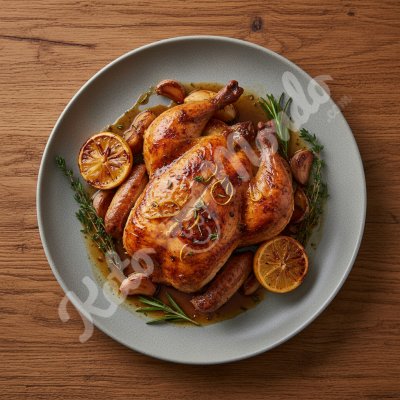
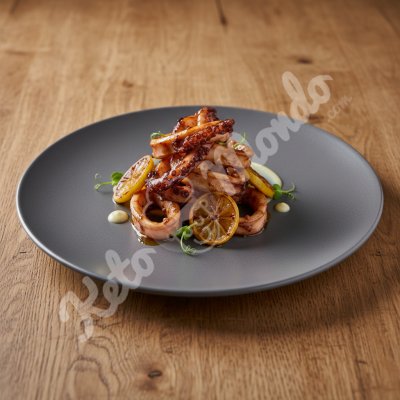
When I first learned about the principles of the ketogenic diet and low-carb eating, I didn't feel any shock or surprise. On the contrary, I had the impression of reading a scientific description of what I had already been practicing for decades in my Kyoto kitchen. The basic structure of a traditional Japanese meal — what we call 'Ichiju Sansai' (one soup, three courses) — is a near-perfect mirror of modern metabolic guidelines, except that you put the bowl of rice aside. We have high-quality proteins (fish, eggs, tofu), healthy fats (sesame oils, oily fish, egg yolks) and an abundance of non-starchy vegetables rich in fiber and minerals.
This recognition was a revelation for me. I understood that my culture did not need to be 'adapted' to be healthy; it already was in essence. Modern science merely put complex words to intuitive, empirical wisdom. By removing the rice, we do not distort Japanese cuisine, we reveal its deep structure, the one that nourishes the cells and stabilizes energy without causing insulin storms. It is a natural alliance between tradition and biology.
The harmony of ancestral concepts
There is no ideological divide between traditional Japanese cuisine and the ketogenic framework. These are two languages that describe the same reality: that of a human body functioning at its full potential. Our ancestral concepts like 'Hara Hachi Bu' (eat 80%) or 'Shun' (eat seasonally) are the direct ancestors of moderate calorie restriction and nutritional density. Japanese tradition has always valued the purity of the ingredient and the simplicity of the preparation, naturally avoiding additives, hidden sugars and excessive processing which are the scourge of modern food.
In my practice, I see this convergence every day. Using miso for its probiotics, seaweed for its iodine, or ginger for its anti-inflammatory properties is biooptimization without knowing it. Japanese cuisine is a complete system that takes care of the microbiota, regulates inflammation and supports fat metabolism. It is a 'natural keto' setting that requires no effort of will, because it is based on the pleasure of authentic flavors and the satisfaction of a well-nourished body.
Satiety without insulin
Umami, that fifth flavor we cherish so much, is perhaps the most powerful connection between our tradition and the ketogenic framework. Umami is the flavor of satiety. By signaling the presence of proteins and amino acids to the brain, it triggers a feeling of fullness that sugar can only crudely simulate. In a low-carb diet, umami becomes our compass. It allows us to feel fulfilled and satisfied without resorting to the glycemic load of starchy foods.
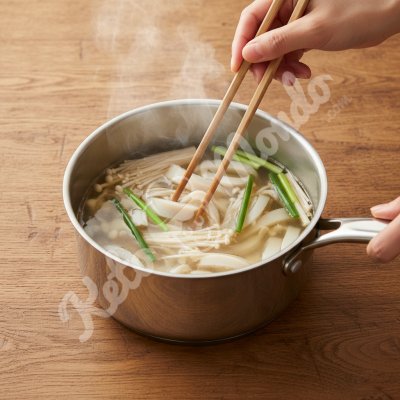
It's as if umami was designed by nature to guide us toward the most nutritionally dense foods. A deep dashi broth, a piece of perfectly grilled fish, or simmered shiitake mushrooms are umami bombs that quench hunger and calm the mind. By cultivating this flavor, we make the low-carb lifestyle not only easy, but deeply desirable. We are no longer in deprivation, but in the exploration of a depth of taste which is sufficient in itself.
Time validation
What I appreciate about contemporary metabolic science is that it brings a rational dignity to what we knew intuitively. When researchers talk about autophagy, insulin sensitivity, or metabolic flexibility, I see the faces of my ancestors who practiced intermittent fasting in Zen temples or who prioritized healthy fats for mental clarity. Science does not replace tradition; she explains and confirms it. It gives us the confidence necessary to resist the sirens of the food industry.
This scientific validation is crucial for our time. It allows us to say that our heritage is not a relic of the past, but a solution for the future. By understanding the biological 'why' behind our culinary actions, we become more precise and more efficient. We know why we ferment our vegetables, why we use Matcha green tea for its catechins, and why we avoid inflammatory seed oils. Science is the microscope that reveals the complex beauty of our ancestral wisdom.
A living metabolic legacy
My mission today is to pass on this metabolic heritage. I want to show younger generations, in Japan and elsewhere, that eating healthily does not mean giving up your culture. On the contrary, it is to claim it in its purest and most powerful form. By adopting a low-carb Japanese diet, we honor our ancestors while taking care of our future. We build resilient bodies and clear minds, capable of meeting the challenges of a changing world.
This transmission is an act of love and responsibility. This means that health is our most precious asset, and that our cooking is our best medicine. By sharing these principles, I sow seeds of vitality that I hope will flourish long after me. Japanese cuisine, seen through the lens of the ketogenic framework, is a gift we give to ourselves and to generations to come. It is a path of wisdom, flavor and life.
Harmony found
Ultimately, Japanese cuisine and the ketogenic framework are just two sides of the same quest: that of harmony. Harmony between taste and health, between man and nature, between past and present. By embracing this convergence, we find a balance that allows us to live fully, with energy and serenity. The path has been paved for a long time; we just need to follow it with attention and gratitude.
I invite you to explore this natural setting. Don't see 'keto' as an external rule, but as a rediscovery of your own biological intelligence through the flavors of Japan. Let the dashi nourish you, let the fish strengthen you, and let the green tea soothe you. In this alliance you will find not only health, but also deep and lasting joy. May your kitchen be your sanctuary, and may every meal be a celebration of life.