
The balance of Ichiju Sansai
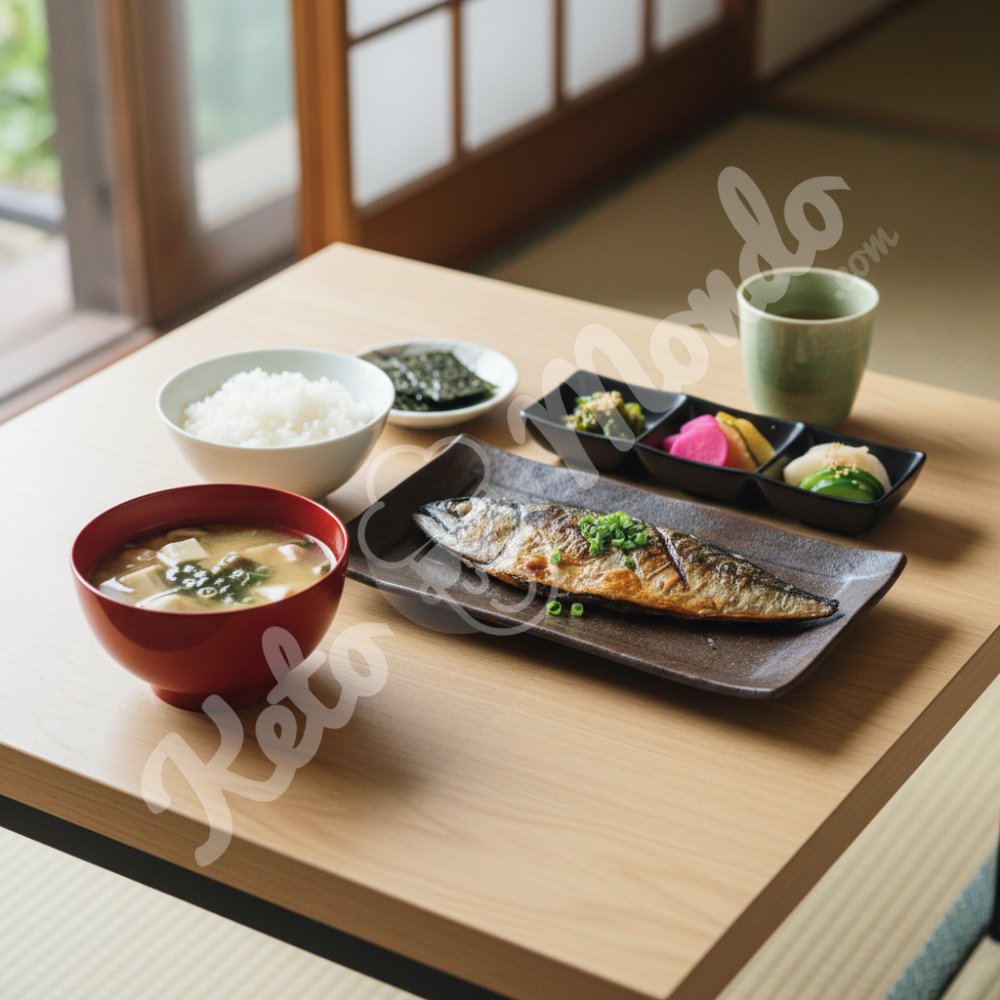
In Japanese culinary tradition, we often follow the principle of 'Ichiju Sansai', which literally means 'one soup, three dishes'. Historically, this set was accompanied by a bowl of rice. But if we carefully observe the structure of these dishes, we realize that rice is only a support, a cultural habit which can be advantageously replaced or omitted without breaking the harmony of the meal. The real strength of this structure lies in the diversity and balance of nutrients provided by the soup and three side dishes. It is a nutritional architecture that has spanned the centuries because it meets the fundamental needs of the human body.
Adapting this principle to a low-carb diet, we keep the miso soup for its probiotics and minerals, and we focus on the three dishes: a main protein and two mixed vegetable dishes. This structure creates multidimensional satiety. You don't fill your stomach with a mass of starchy foods; we nourish each system of the body with precision. It’s an approach that prioritizes nutritional density over empty calorie volume. By removing the rice, we do not create a shortage, we free up space for more subtle flavors and more precious nutrients.
The nobility of the source
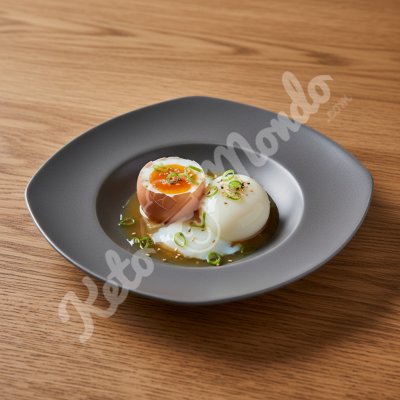
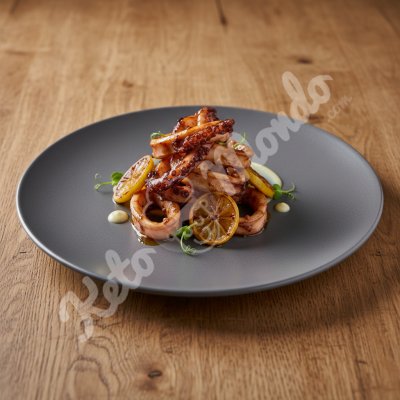
Protein is the central pillar of my plate. Whether it's salt-grilled mackerel fillet (shioyaki), slices of fatty tuna sashimi, or carefully prepared silken tofu, protein is what gives the body its structure and strength. In Japan, we have immense respect for the source of our protein. We seek absolute freshness, because a fresh ingredient has a vital energy that industrial processing destroys. Protein is not just a 'macronutrient'; it is the element that allows tissue repair, hormone production and the maintenance of muscle mass.
I am often surprised to see the extent to which Western diets relegate protein to second place, behind grains or sugars. For a stable metabolism, protein must be the center of gravity. It triggers the most powerful satiety signals and requires the body to expend greater energy to be digested. By choosing high-quality proteins, rich in omega-3 fatty acids like our coastal fish, we also nourish our brain. A meal centered on protein is a meal that respects the biological intelligence of the human being.
The palette of land and sea
Alongside the protein, vegetables provide color, texture and essential micronutrients. In my cooking, I use a wide variety of non-starchy vegetables that are naturally low in carbs. Daikon radish, whether grated to aid in fat digestion or simmered in broth, is a must-have. Leafy greens like bok choy, mizuna or spinach provide fiber and antioxidants. But we don't stop at the land; the sea also offers us its vegetables: wakame, nori and hijiki algae are treasures of minerals and iodine, essential for the proper functioning of the thyroid and metabolism.
The beauty of these vegetables is that they create volume on the plate without increasing the glycemic load. You can eat as much as you want, enjoy the diversity of tastes and textures, while maintaining a state of ketosis or energy stability. Each vegetable is prepared to enhance its natural flavor: a simple pressure of steam, rapid blanching or light fermentation. We do not seek to mask the taste of the vegetable with heavy sauces, we seek to reveal its essence. It’s a celebration of biodiversity in every bite.
Digestive fluidity
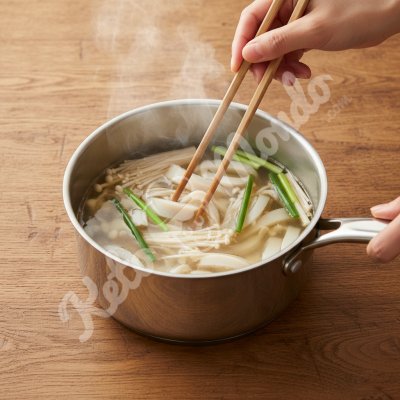
The broth, or dashi, is the invisible thread that connects all the elements of the meal. It provides umami that satisfies the mind, but it also plays a crucial role in digestion. Starting a meal with hot soup prepares the stomach to receive denser foods. This hydrates the body and provides essential electrolytes, which is particularly important in a low-carb diet where the body tends to eliminate more water and minerals. The broth creates fluidity, harmony between solid dishes.
Plus, dashi is an extraordinary flavor carrier that contains virtually no calories and zero carbs. It gives depth to dishes without resorting to starch-based thickeners or added sugars. It’s the metabolic health conscious chef’s ultimate tool. By mastering the art of broth, you master the art of satiety without the heaviness. It’s a lesson in lightness that benefits the entire body.
The power of habit and Zen
This structure — protein, vegetables, broth — repeats itself day after day. To some this may seem monotonous, but to the Zen mind, repetition is a form of freedom. By having a clear and constant framework, we free our minds from decision fatigue. We don't have to worry about what to eat to stay healthy; the structure takes care of it for us. The variation comes from the seasons, the choice of fish, the selection of vegetables of the day. The framework remains the same, but the content constantly changes.
This fidelity to healthy structure creates profound metabolic stability. The body knows what to expect, it regulates its hormones more efficiently, and the mind gains clarity. This is the wisdom of consistency. By eating this way, we are not following a temporary 'diet', we are adopting a lifestyle that honors our biology in the long term. Repetition becomes a meditation, an act of daily respect for oneself.
Build a Bamboo Body
My goal, through this cuisine, is to help everyone build a body that resembles bamboo: strong, flexible and resistant. A body that does not break under stress, that does not collapse under the weight of the diseases of civilization. This strength comes from the base, the foundation that we build every day with our proteins and vegetables. It is a solid foundation which then allows the spirit to rise, create and flourish.
Never underestimate the power of a simple, well-structured meal. By going back to basics, favoring quality over quantity, and respecting the real needs of your metabolism, you will discover a vitality that you perhaps thought was lost. The path to health is a path of simplicity and discipline. This is the path that I have been traveling for sixty years, and it is the one that I invite you to explore with me. May each meal be a stone placed on the path to your well-being.