
The forest on the plate
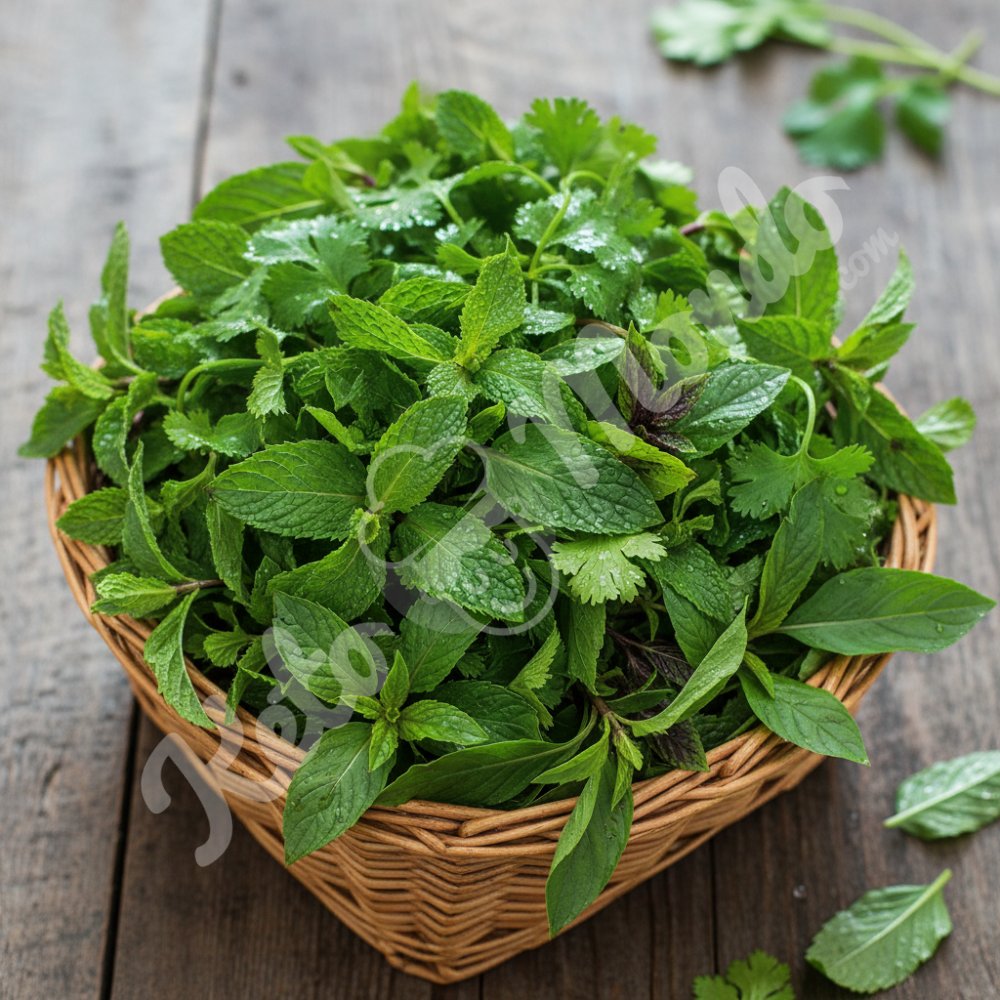
In my kitchen, herbs are never just a garnish, a little touch of green added at the end to make it look pretty. They are the beating heart of the meal, the forest that invades the plate. In Vietnam, we have the concept of 'Rau Sống', which refers to this generous assortment of fresh vegetables and herbs served with almost every dish. We're not talking about a few leaves, but mountains of mint, coriander, Thai basil and perilla. These herbs are not there to decorate; they are there to be eaten in large quantities, often wrapped around a grilled protein or dipped in a piping hot broth.
This approach radically changes the structure of the meal. Instead of filling the stomach with a mass of rice or noodles, we fill it with chlorophyll, fiber and volatile essential oils. It's a naturally low-carb, yet incredibly high-feeling foundation. Herbs provide the volume, crunch and freshness that is often lacking in 'heavier' Western low-carb diets. By making herbs your base, you're not just cutting down on sugars; you saturate your body with life.
The architecture of taste and health
Each Vietnamese herb has a specific function, both culinary and medicinal. Mint brings freshness and helps soothe the digestive system. Coriander, with its lemony notes, helps eliminate heavy metals. Thai basil, spicier, stimulates circulation. And then there are rarer herbs, like 'Ngo Gai' (long coriander) or 'Ngo Om' (rice grass), which bring earthy and complex flavors. Composing a bouquet of herbs for a meal is like writing a musical score: you need balance, contrast and harmony.
When you understand that these herbs are the true foundation, the structure of the meal becomes disarmingly simple. A quality protein — grilled fish, crispy pork or steamed shrimp — complements the herbs, not the other way around. Lettuce or mustard leaves are used as natural wraps, replacing rice cakes or bread. It is a food architecture that respects blood sugar levels while offering an explosion of flavors in each bite. This is proof that you can eat festively and abundantly without ever overloading your metabolism.
The green pharmacopoeia at the service of the body
One of the reasons why Vietnamese cuisine is known for its lightness is the heavy use of fresh herbs as a digestive aid. It's ancient knowledge that modern science confirms: herbs are rich in enzymes and carminative compounds that facilitate the breakdown of proteins and fats. Eating fatty meat with a large amount of bitter and aromatic herbs helps avoid the feeling of heaviness and bloating. The body breathes better, transit is more fluid, and energy is immediately available.
This easy digestibility is a form of health that goes beyond simple macronutrient management. It is a feeling of total physical clarity. We leave the table energized, not stunned. In a low-carb setting, where we often consume more proteins and lipids, this alliance with the plant world is crucial. Herbs act as a metabolic catalyst, allowing the body to get the most out of each nutrient without becoming depleted in laborious digestion. This is the secret to lasting vitality.
The micronutrients of clarity
Fresh herbs are among the most nutritionally dense foods on the planet. They are full of vitamins A, C and K, iron, magnesium and potassium. And they offer all this with almost zero glycemic load. It's every nutritionist's dream: a food that nourishes intensely without causing an insulin spike. The abundant chlorophyll helps to oxygenate the blood and alkalize the body, counterbalancing the potential acidity of a diet rich in animal products.
By integrating herbs into each meal, we ensure a constant supply of powerful antioxidants which protect our cells from oxidative stress. It's natural, free and delicious health insurance. In my kitchen, I see herbs as everyday 'superfoods'. They are not supplements in capsules, but living ingredients that provide a biological complexity that the industry will never be able to reproduce. Eating green means choosing mental clarity and physical resistance.
Honesty of the raw product
Working with fresh herbs imposes iron discipline: freshness must be absolute. A withered grass loses its soul and its benefits. This demand for quality carries over to everything else in the kitchen. When herbs are the foundation, you can't cheat. You can't hide a mediocre ingredient under a heavy sauce or thick breading. Each flavor must be honest, each product must be respected. It is an approach that values simplicity and purity.
This simplicity creates clarity of mind. We learn to appreciate the true taste of things, without the artifice of sugar or flavor enhancers. We rediscover the pleasure of a peppermint leaf, the spiciness of a mustard sprout, the sweetness of basil. It is an education of the palate which naturally distances us from processed products. Herbal cooking is a cooking of truth. It teaches us that nature, in its simplest form, already has everything we need to be happy and healthy.
The bridge between two worlds
For me, herbs are the bridge between my Vietnamese heritage and my life in Australia. They are the universal language of freshness and vitality. By making them the foundation of my low-carb diet, I have found a perfect balance: I respect my biology while honoring my culture. I never feel on a 'diet', because my plate is always a feast of colors and scents.
I invite you to open your kitchen to the power of herbs. No longer see them as a detail, but as the essential. Buy them in generous bunches, grow them on your balcony, and learn to use them as vegetables in their own right. Your body will thank you with stable energy, light digestion and renewed clarity of mind. The low-carb revolution will not only happen with fat and protein, it will happen with the quiet, green force of nature. Eat herbs, and breathe life.