
The vitality of the same day
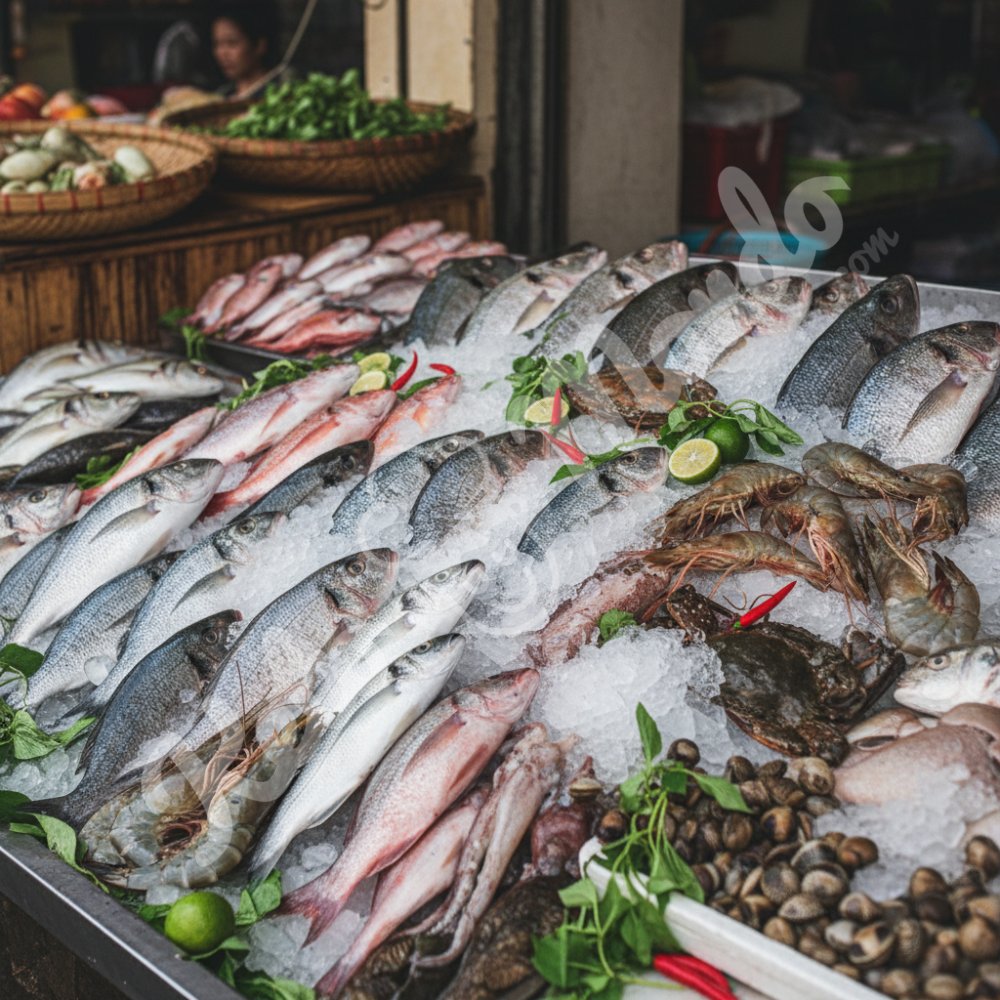
In Vietnamese culinary culture, freshness is not a luxury or an option, it is a sine qua non. We cannot imagine cooking with ingredients that have spent days in a refrigerator or months in a can. For us, an ingredient must be alive. This means it was harvested, caught or slaughtered that morning. This demand for absolute freshness creates a vitality that goes far beyond simple taste pleasure. It's a matter of vital energy, what some call 'Qi' or 'Prana', but which we simply feel as a force that animates us from the first bite.
When you eat a food that was still in the ground or water a few hours before, you absorb intact biological complexity. The nutrients have not had time to oxidize, the vitamins are at their peak and the cellular structures are full of structured water. This constant freshness is the secret to the longevity and resistance of rural populations in Vietnam. By refusing to compromise on the quality of our raw products, we offer our body the best possible fuel to function at its full potential.
The silent catalysts of health
One of the most overlooked aspects of modern nutrition is the role of food enzymes. Fresh, raw foods, like our crisp herbs and vegetables, are full of living enzymes. These molecules are the catalysts for all chemical reactions in our body. They not only aid digestion, by breaking down proteins and fats efficiently, but they also support the transformation of food into usable energy at the cellular level. Eating 'alive' saves the metabolic energy that the body would otherwise have to spend producing its own digestive enzymes.
This is where the fundamental difference lies between a 'dead' calorie (from a processed product) and a 'live' calorie. The living calorie brings with it the tools necessary for its own treatment. In my kitchen, I ensure that each dish contains a significant proportion of raw or lightly cooked plants to preserve this enzymatic capital. This is what gives this feeling of lightness and immediate dynamism after the meal. We don't feel 'full', we feel 'activated'. This is the magic of maximum bio-availability.
Stability through purity
The greatest scourge of industrial power is the energy instability it causes. Additives, preservatives and hidden sugars create a blood sugar and hormonal roller coaster that leaves us exhausted. By eating exclusively fresh and raw products, we eliminate these interferences. The energy we receive is stable, linear and lasting. No insulin peaks followed by sudden drops, no fifteen-hour 'drop'. Just a constant presence and endurance that allows us to get through the day with serenity.
This stability is incredibly liberating. We stop being a slave to our snacking needs or our caffeine cravings to compensate for a drop in diet. We discover that the body, when nourished accurately and freshly, knows how to perfectly regulate its own energy level. It is a state of dynamic calm that promotes productivity and creativity. In a low-carb setting, this stability is further reinforced by the use of fats as the main fuel, but it is the freshness of the vegetable accompaniments that ensures the smoothness of the process.
The brain nourished by life
I notice a direct correlation between the freshness of my plate and the clarity of my thoughts. The brain is extremely sensitive to inflammation and oxidative stress. Fresh foods, rich in intact antioxidants and protective phytonutrients, act as a shield for our neurons. By eliminating toxins linked to long storage and chemical transformation, we free our minds from the 'mental fog' that often clouds our judgment.
When I nourish myself this way, I think faster, pay more attention to detail, and my culinary creativity flourishes effortlessly. It's as if the brain functions best when it receives clear and consistent biological signals from the digestive system. Freshness isn't just about physical health; It's a question of mental hygiene. A lively mind needs a vibrant body, and this vibrant body is built at every meal with ingredients that still carry within them the force of life.
A ritual of connection and respect
What supports this requirement for freshness is the ancestral practice of the daily market. In Vietnam, you don't buy for the week, you buy for the same day. It is a social and physical ritual that requires us to go out, interact with producers, touch, smell and choose our food with awareness. No freezer full of prepared meals, no cupboards overflowing with cans. Just what we will process and consume in the next few hours.
This practice, as simple as it may seem, radically changes our relationship with food. She reminds us that eating is an act of connection with the earth and the seasons. It forces us to be present and responsible for our own nourishment. By choosing the daily market, we choose life. We refuse the ease of industrial death to embrace the complexity and beauty of life. It is an act of respect towards oneself and towards the nature that supports us.
Freshness as a form of self-respect
Ultimately, prioritizing freshness is a form of self-respect. This means that our body deserves what is best, purest and most alive. It means refusing to be a dumping ground for the surpluses of the agri-food industry. By going back to basics, by choosing the vitality of the day itself, we find robust health, stable energy and an authentic joy of living.
I invite you to rediscover the pleasure of freshness. Go to the market, choose your herbs carefully, smell the scent of the vegetables that have just been picked. Don't see meal preparation as a chore, but as an act of celebrating life. Your body will respond to you with a vitality that you never thought possible. Freshness is the key to everything; open the door, and let life enter your kitchen and your heart.