
Acidity as a sensory awakening
In modern Western culinary culture, we tend to think that sugar is the only way to make a meal enjoyable or 'complete'. Sugar is added to sauces, marinades, and even bread to please the palate. But in my Vietnamese cuisine, it is the acidity that plays this leading role. Acidity is not just a base note; it is a living force that awakens the taste buds, invigorates the mind and creates a dynamic sensory experience. Unlike sugar which tends to numb the palate and create a feeling of heaviness, acidity brings immediate clarity.
Acidity stimulates salivation and prepares the stomach for digestion, which is crucial for efficient metabolism. It creates an entirely different satisfaction than sugar. It is a satisfaction of 'cleanliness' and 'freshness'. When you learn to use acidity as the backbone of your dishes, you discover that the need for sugar disappears naturally. You no longer need this artificial sweetness to balance your meals, because the acidity already provides the necessary contrast and depth, without any glycemic load.
The Spark of Metabolic Clarity
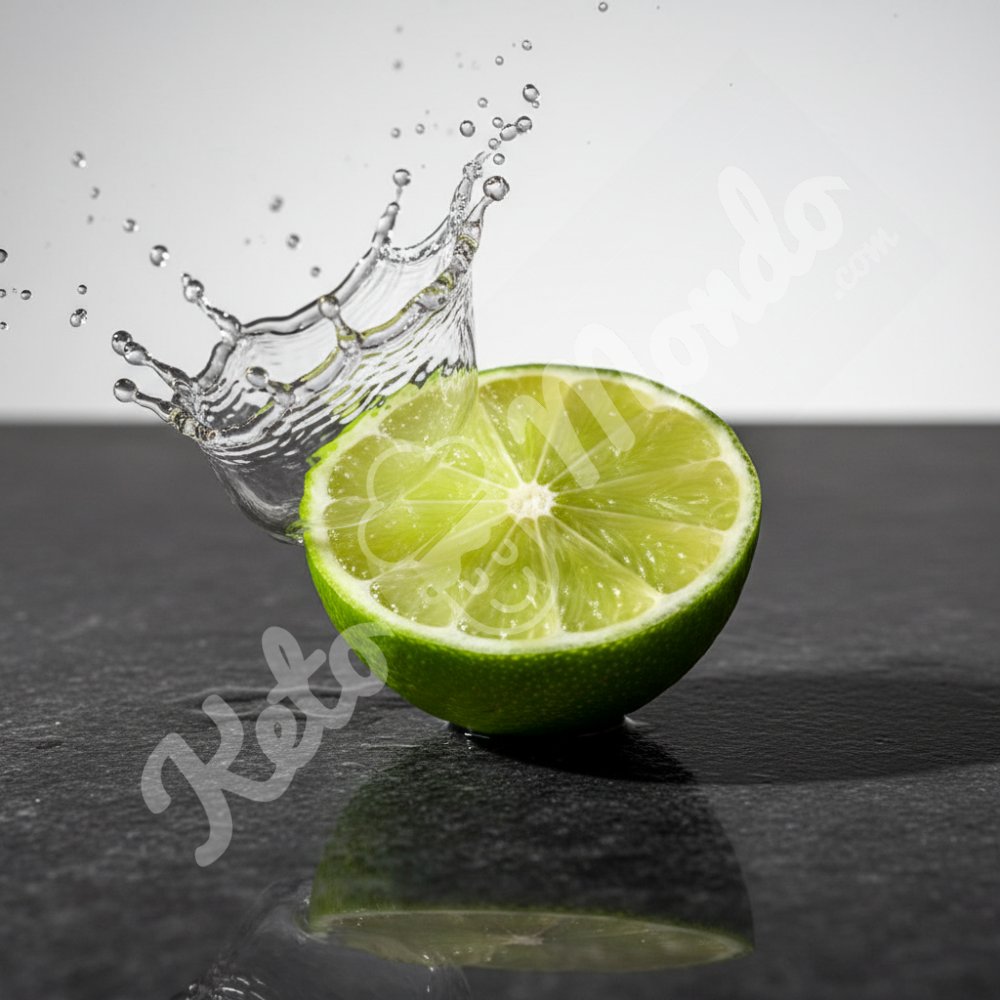
A simple wedge of lime (Chanh) squeezed at the last moment on a dish can transform an ordinary culinary experience into an exceptional moment. The pure acidity of lemon acts as a flavor revealer: it makes visible what was hidden, it highlights the finesse of a white fish, it enhances the scent of fresh herbs and it cuts through the richness of healthy fats. It's a spark of clarity that contains no quick sugars, but delivers an intensity that few other ingredients can match.
From a metabolic point of view, the citric acid and vitamin C present in lemon are valuable allies. They promote the absorption of plant iron and support liver functions. In my kitchen, lemon is omnipresent. It replaces sweet glazes and syrupy sauces. It is a precision tool that allows you to adjust the balance of a dish in one second. By replacing sugar with lemon, you provide your body with stable energy and light digestion. This is the secret of Vietnamese vitality.
The acid depth
Vietnamese rice vinegar is another mainstay in our acidic palette. It is light, delicate, with a less aggressive acidity than that of wine vinegar. We use it liberally in our marinades and dipping sauces. What is fascinating is the paradox of acidity: the more you add (within the balance), the lighter and more digestible the meal seems. Vinegar helps break down proteins, and according to many studies, the acetic acid it contains can help regulate the body's blood sugar response after a meal.
We also find this beneficial acidity in our fermented vegetables, 'Dưa Chua'. These mustard, carrot or daikon pickles provide not only crunch and acidity, but also probiotics essential to the health of our microbiota. This fermented acidity is complex, it carries with it the history of time and transformation. It offers deep satisfaction that calms sugar cravings by directly nourishing the good bacteria in our intestine. It is a form of culinary wisdom that takes care of our inner balance.
The infinite palette of natural acidities
Vietnamese sourness isn't limited to lemon and vinegar. We use tamarind (Me) for its round, fruity and almost earthy acidity, ideal in fish soups. We also use calamansi, this small citrus fruit with an explosive scent, or even green fruits like mango or star fruit to bring a crunchy acidity to salads. All these sources of acidity create an incredibly rich palette of flavors without ever resorting to refined carbohydrates.
By exploring these different acidities, we discover that the 'sweet' taste is often an easy solution, a shortcut to mask a lack of complexity. Acidity requires finesse and dosage. It forces us to be more attentive to the quality of our ingredients. A cuisine rich in natural acidities is a living, vibrant cuisine, which respects human biology while offering immense gastronomic pleasure. It is an invitation to leave the monotony of sugar to enter the world of nuances.
The decolonization of taste
Adopting a diet rich in acidity and low in sugar is a real transformation of the palate. This is what I call the decolonization of taste. We have been conditioned by the food industry to look for sugar everywhere, which has dulled our ability to appreciate subtler, healthier flavors. But change can be rapid. After just a few weeks of favoring acidity, sugar begins to feel heavy, sticky, almost cloying. Acidity becomes a preference, a need for freshness and clarity.
This transformation is liberating. It gives us back control over our food choices. We no longer eat out of addiction, but out of appreciation. We rediscover the joy of a clean and alert palate. This sensory clarity is reflected in our mental clarity. A body that isn't constantly busy dealing with sugar spikes is a body that can devote its energy to thinking, creating, and living. Acidity is the tool that allows us to break the sugar chains and regain our metabolic sovereignty.
The spark of life on the plate
Acidity is the spark of life in my kitchen. It is the secret of lightness, digestion and lasting satisfaction. By making acidity your ally, you will discover that sugar is no longer a necessity, but a distant memory. You will gain vitality, clarity and culinary pleasure.
I encourage you to experiment. Squeeze that lime, add that dash of rice vinegar, discover the richness of tamarind. Do not fear acidity, welcome it like a friend who wants your best. Let it awaken your senses and stabilize your energy. In every drop of sour juice there is a promise of health and joy. This is the path I am traveling, and it is the path I invite you to explore. Feel the freshness, and live fully.