
The Truth of the After-Meal
We spend a lot of time analyzing what we put in our mouths, counting calories, weighing proteins, or tracking carbs. But we often forget the simplest, most immediate, and most honest test of all: that of breathing. Ask yourself this question after your next meal: 'Can I breathe deeply, effortlessly, to the bottom of my lungs?'. If the answer is no, if you feel bloated, oppressed, or if your breath has become short and shallow, then your meal has failed. Food that is worth eating should never hinder the most fundamental movement of life.
Respiratory oppression after a meal is a sign of digestive overload. When the stomach is distended by heavy foods, fermenting starches, or excessive volumes, it pushes against the diaphragm. This essential muscle can no longer descend correctly, thus limiting the expansion of the lungs. We then find ourselves in a state of slight but constant physiological stress. Eating to breathe means choosing foods that respect the internal space of our body, leaving our breath all the room it needs to flourish.
Space for Life
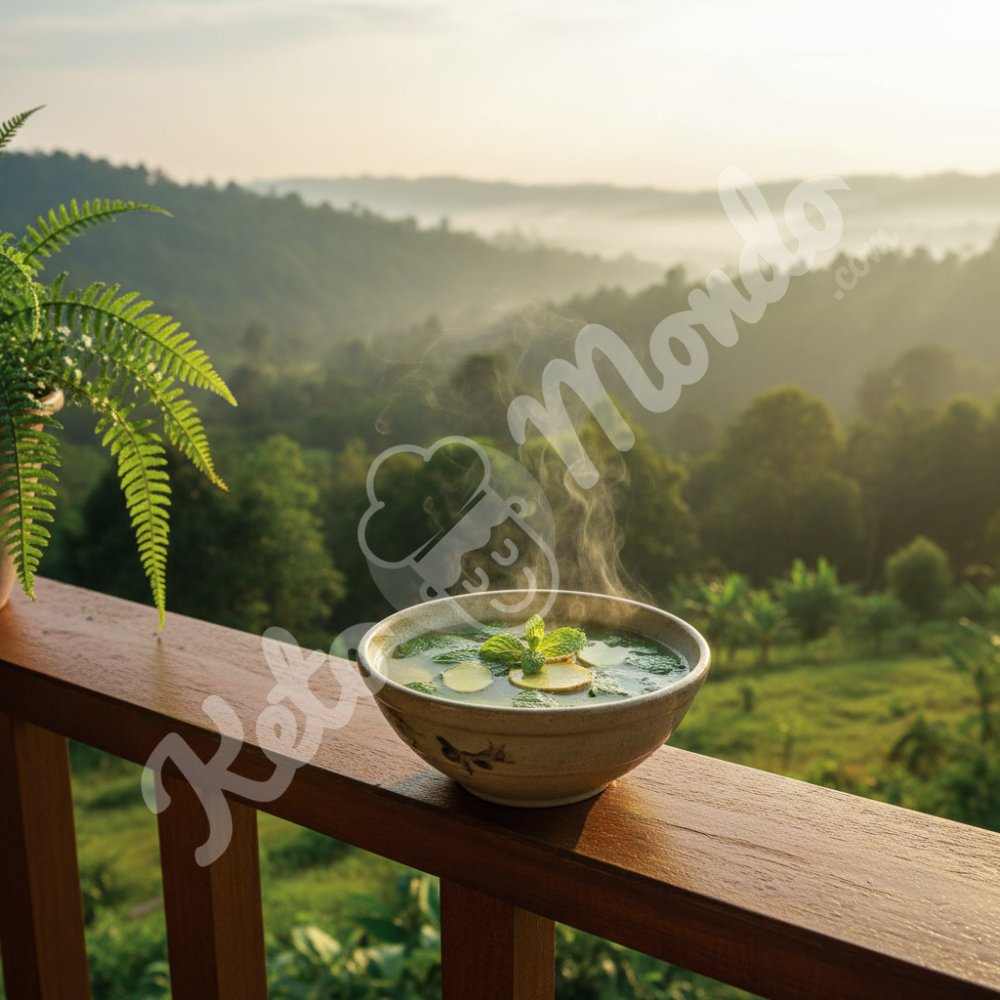
A traditional Vietnamese meal, as I conceive it, is a celebration of lightness. By prioritizing clear broths, fresh herbs, and lean proteins, we bring the body maximum nutritional density for minimum physical clutter. It is this economy of space that allows for fluid breathing. We don't feel 'full' in the sense of 'clogged', we feel nourished and free. This freedom of internal movement is the sine qua non of vitality.
In a low-carb framework, this lightness is even more marked. By eliminating sugars and starches that often cause systemic inflammation and water retention, we free the tissues. The body becomes more flexible, more reactive. Breathing is no longer a struggle against the heaviness of digestion, but a harmonious exchange with the environment. We eat to support movement, to promote clear thinking, to allow the body to function as a precision instrument, and not as a burden we drag along.
Metabolic Oxygenation
There is a direct link between the quality of our digestion and the efficiency of our oxygenation. When the digestive system is overloaded, a large part of our blood and energy is diverted to the stomach and intestines. This leaves fewer resources for transporting oxygen to the brain and muscles. Conversely, a light and digestible meal allows for fluid blood circulation and optimal oxygenation. This is what I call 'clarity of breath'.
After the meals I prepare, I feel a particular vibration. My breath is deep, regular, and I feel oxygen circulating to my fingertips. This is an infallible indication that my metabolism is functioning at its full potential. The food has been transformed into usable energy without generating toxic waste or fatigue. This sensation of 'vibrance' is the true goal of nutrition. We don't eat to fade away into a digestive nap, we eat to light up and breathe stronger.
Beyond the Numbers
I firmly believe that breathing is a much more honest measure of health than any calculation of macros or calories. Numbers can lie, or at least be misinterpreted. But the breath never lies. It is the ultimate biofeedback, accessible to everyone, at every moment. If you learn to listen to your breath, you will no longer need a scale or an app to know if you are eating well. Your body will tell you with absolute clarity.
This is what I teach those who come to my kitchen: 'Watch your breath'. If it becomes jerky, if you sigh often, if you need to loosen your belt to take a breath, it's because you have exceeded the limit of what is beneficial for you. Learning to stop eating at the moment when breathing is still perfect is an art. It is the art of joyful temperance, where we prioritize the quality of being over the quantity of having. It is a wisdom that brings lasting peace and unshakable health.
The Union of Food and Air
Eating to breathe is recognizing that we are beings of flow. We are not reservoirs to be filled, but channels through which energy flows. Food brings the substance, but it is the air that brings the fire necessary for its transformation. Without quality breathing, the best food in the world remains inert or becomes toxic. The union of food and air is the secret of whole vitality.
In the Vietnamese tradition, we do not separate the body from the mind, nor nutrition from breathing. Everything is part of the same life cycle. By eating with the intention of supporting our breath, we honor this unity. We treat our body with the respect it deserves, by offering it what is purest and lightest. It is a mindfulness approach that transforms every meal into an act of gratitude toward life itself. We eat to be alive, truly alive, with every inhalation and every exhalation.
Honoring the Breath, Honoring Life
Ultimately, food is only a means to reach a state of presence and vitality. If it weighs us down, if it fogs us, if it cuts our breath, it has lost its primary function. Vietnamese cuisine, through its ancestral wisdom, reminds us that true wealth lies in lightness and clarity.
I invite you to try this experiment. During your next meal, be attentive to your breathing. Look for this sensation of airy fullness, this moment where you are perfectly nourished while remaining capable of running, laughing, or meditating without any discomfort. That is where the truth lies. Eat to breathe, and you will discover that life suddenly becomes much vaster, brighter, and more beautiful. The breath is your guide; follow it, and it will lead you to the health you deserve.